
Several approaches and methods for improving the creep resistance of refractory materials
author: XINTAI
2025-08-08
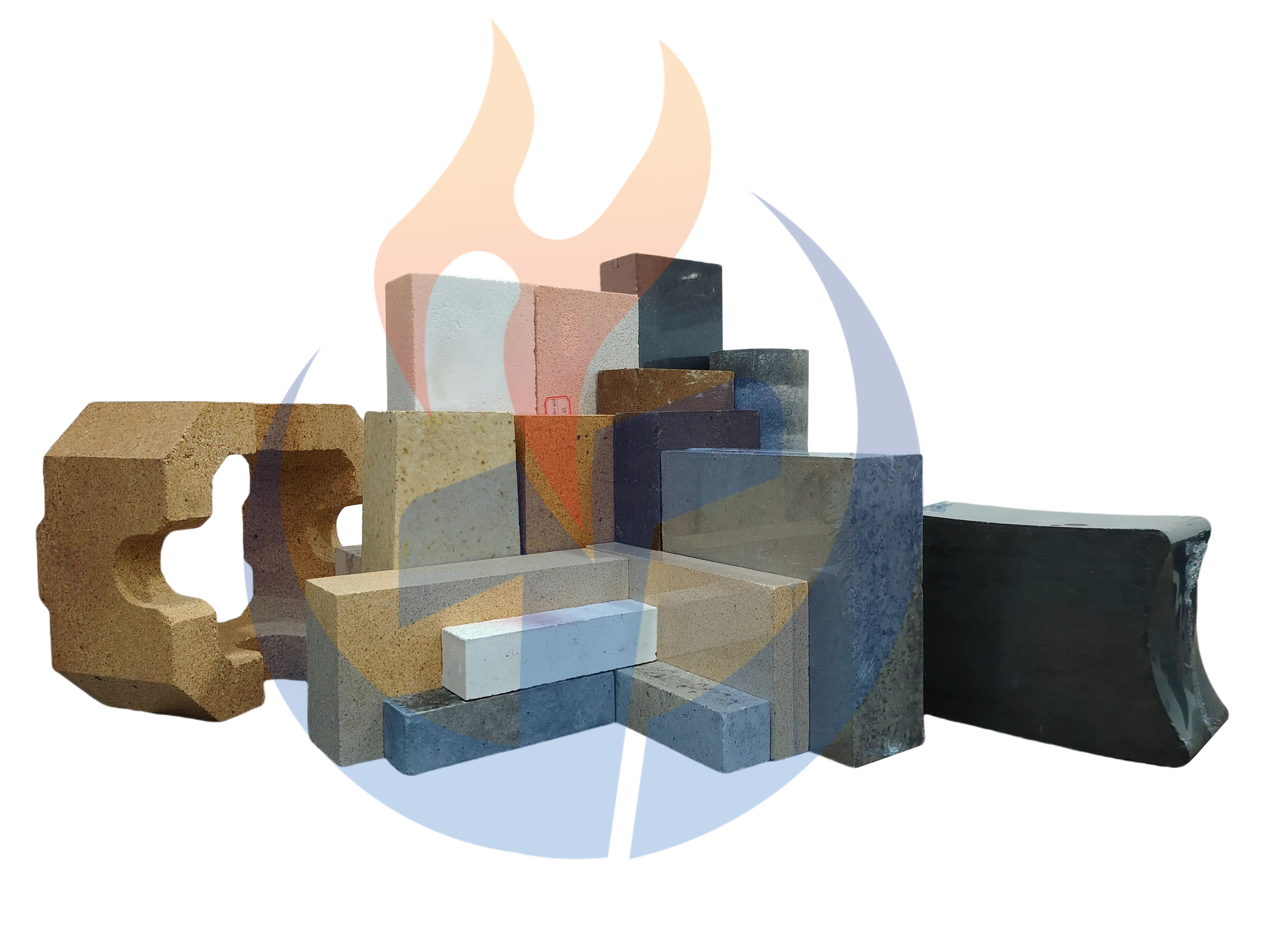
Creep is a phenomenon where materials slowly deform over time under the influence of high temperature and constant stress. If the creep resistance is insufficient, it can easily lead to failure problems such as shell cracking and furnace lining collapse. This article systematically expounds the scientific methods for enhancing the creep resistance of refractory materials from four major dimensions: chemical composition optimization, microstructure regulation, process improvement, and composite technology.
Chemical composition optimization: Enhancing the intrinsic properties of materials from the source
1. Reduce the content of low-melting-point phases
Low-melting-point phases (such as glass phases and impurity phases) are the main channels for creep. Taking Al₂O₃-SiO₂ series refractory materials as an example, the common fused corundum shell is prone to creep fracture at 1200-1300℃ due to the presence of low-viscosity glass phases such as sodium feldspar. Through phase diagram analysis, choosing materials (such as EC95 fine-grained corundum) that form high-temperature stable dissimilar phases (such as secondary mullite) with SiO₂ can significantly reduce the proportion of the glass phase. Experiments show that the high-temperature creep resistance of the EC95 shell after calcination at 1550℃ is more than 40% higher than that of ordinary corundum.
2. Introduce solid solution strengthening elements
In metal-based refractory materials, adding alloying elements with high concentration (such as Mg, Zr, Y) can form displacement or interstitial solid solutions, hindering the movement of dislocations. For instance, the Mg-Al-Zn-Bi-Sn-Sb series alloys, through solid solution strengthening, form intermetallic compounds at the grain boundaries, effectively suppressing grain boundary slip and reducing the creep rate by 60% at 300℃.
3. Regulate the chemical composition of grain boundaries
Grain boundaries are fast channels for creep diffusion. By adding trace amounts of additives (such as Si, Al, and Mg), a dense protective layer can be preferentially oxidized at the grain boundaries to prevent oxygen diffusion. For instance, adding Si powder to carbon-containing refractory materials can form a SiO₂ film on the surface, raising the oxidation resistance temperature from 500 ° C to 1200 ° C.
Low-melting-point phases (such as glass phases and impurity phases) are the main channels for creep. Taking Al₂O₃-SiO₂ series refractory materials as an example, the common fused corundum shell is prone to creep fracture at 1200-1300℃ due to the presence of low-viscosity glass phases such as sodium feldspar. Through phase diagram analysis, choosing materials (such as EC95 fine-grained corundum) that form high-temperature stable dissimilar phases (such as secondary mullite) with SiO₂ can significantly reduce the proportion of the glass phase. Experiments show that the high-temperature creep resistance of the EC95 shell after calcination at 1550℃ is more than 40% higher than that of ordinary corundum.
2. Introduce solid solution strengthening elements
In metal-based refractory materials, adding alloying elements with high concentration (such as Mg, Zr, Y) can form displacement or interstitial solid solutions, hindering the movement of dislocations. For instance, the Mg-Al-Zn-Bi-Sn-Sb series alloys, through solid solution strengthening, form intermetallic compounds at the grain boundaries, effectively suppressing grain boundary slip and reducing the creep rate by 60% at 300℃.
3. Regulate the chemical composition of grain boundaries
Grain boundaries are fast channels for creep diffusion. By adding trace amounts of additives (such as Si, Al, and Mg), a dense protective layer can be preferentially oxidized at the grain boundaries to prevent oxygen diffusion. For instance, adding Si powder to carbon-containing refractory materials can form a SiO₂ film on the surface, raising the oxidation resistance temperature from 500 ° C to 1200 ° C.
Microstructure regulation: Constructing a Creep-resistant "skeleton"
1.Refine the grain size
Grain refinement can increase the number of grain boundaries and hinder dislocation movement through grain boundary diffusion. Research shows that reducing the grain size of corundum from 50μm to 10μm can increase its creep resistance at medium temperatures by 25%. However, it should be noted that overly fine grains (<1μm) may lead to weakened grain boundaries, which in turn reduces creep resistance.
2. Promote direct combination of different phases
Secondary mullite is induced to form through high-temperature calcination (such as above 1500℃), creating an interlaced network structure of corundum-mullite. This type of structure can significantly increase the elastic modulus of the material and reduce the creep rate by an order of magnitude. For instance, the high-temperature creep resistance of corundum-mullite composite material with a mullite content of 75% is superior to that of single-phase corundum material.
3. Optimize the structure of stomata
Porosity can reduce the effective bearing area and accommodate deformation. It is necessary to lower the porosity rate through reasonable particle size distribution (such as a particle size distribution of "large at both ends and small in the middle") and high-pressure molding (pressure ≥100MPa). Experiments show that when the porosity drops from 20% to 10%, the creep rate can be reduced by 50%.
1.Refine the grain size
Grain refinement can increase the number of grain boundaries and hinder dislocation movement through grain boundary diffusion. Research shows that reducing the grain size of corundum from 50μm to 10μm can increase its creep resistance at medium temperatures by 25%. However, it should be noted that overly fine grains (<1μm) may lead to weakened grain boundaries, which in turn reduces creep resistance.
2. Promote direct combination of different phases
Secondary mullite is induced to form through high-temperature calcination (such as above 1500℃), creating an interlaced network structure of corundum-mullite. This type of structure can significantly increase the elastic modulus of the material and reduce the creep rate by an order of magnitude. For instance, the high-temperature creep resistance of corundum-mullite composite material with a mullite content of 75% is superior to that of single-phase corundum material.
3. Optimize the structure of stomata
Porosity can reduce the effective bearing area and accommodate deformation. It is necessary to lower the porosity rate through reasonable particle size distribution (such as a particle size distribution of "large at both ends and small in the middle") and high-pressure molding (pressure ≥100MPa). Experiments show that when the porosity drops from 20% to 10%, the creep rate can be reduced by 50%.
Process improvement: Precise control of the preparation process
1. Increase the firing temperature and holding time
High-temperature firing can promote grain growth and the combination of different grains. For instance, common corundum needs to be calcined at over 1500℃ to form secondary mullite, while EC95 fine-grained corundum can complete its phase transformation at 1450℃, significantly shortening the process cycle. The insulation time needs to be adjusted according to the thickness of the material. Generally, for every 10mm increase in thickness, the insulation time should be extended by 1 hour.
2. Adopt the melt impregnation technology
Immersing refractory materials in molten metal or ceramic slurry can fill pores and form a dense layer. For instance, when iron silicon nitride impregnates corundum material, its creep resistance is enhanced by 30% compared to the unimpregnated sample, and its volume stability is improved by 15%.
3. Optimize the heat treatment system
Thermal stress cracks can be reduced by staged heating (for example, from 300℃/h to 800℃, and then from 50℃/h to 1500℃). During the cooling stage, the rate should be controlled (≤50℃/h) to prevent the expansion of microcracks due to rapid cooling.
1. Increase the firing temperature and holding time
High-temperature firing can promote grain growth and the combination of different grains. For instance, common corundum needs to be calcined at over 1500℃ to form secondary mullite, while EC95 fine-grained corundum can complete its phase transformation at 1450℃, significantly shortening the process cycle. The insulation time needs to be adjusted according to the thickness of the material. Generally, for every 10mm increase in thickness, the insulation time should be extended by 1 hour.
2. Adopt the melt impregnation technology
Immersing refractory materials in molten metal or ceramic slurry can fill pores and form a dense layer. For instance, when iron silicon nitride impregnates corundum material, its creep resistance is enhanced by 30% compared to the unimpregnated sample, and its volume stability is improved by 15%.
3. Optimize the heat treatment system
Thermal stress cracks can be reduced by staged heating (for example, from 300℃/h to 800℃, and then from 50℃/h to 1500℃). During the cooling stage, the rate should be controlled (≤50℃/h) to prevent the expansion of microcracks due to rapid cooling.
Composite technology: Synergistically enhance creep resistance performance
1. Fiber reinforcement
Introducing fibers such as silicon carbide (SiC) and alumina (Al₂O₃) can create a "bridging effect" to prevent crack propagation. For instance, the corundum composite material with 15wt% SiC fiber added has its flexural strength increased from 120MPa to 280MPa and its creep rate reduced by 70%.
2. Particle dispersion strengthening
Through the dispersed distribution of nanoparticles (such as ZrO₂, TiO₂), grain boundaries can be immobilized and dislocation movement can be hindered. Experiments show that the high-temperature creep rate of corundum material with 3wt% nano-ZRO ₂ added is 85% lower than that of pure corundum.
3. Layered composite structure
The design of an alternating structure of "corundum layer - mullite layer" can consume fracture energy by taking advantage of interface debonding. For instance, the thermal shock resistance of the three-layer composite shell has been enhanced from 10 cycles to 30 cycles, and the creep deformation has been reduced by 40%.
1. Fiber reinforcement
Introducing fibers such as silicon carbide (SiC) and alumina (Al₂O₃) can create a "bridging effect" to prevent crack propagation. For instance, the corundum composite material with 15wt% SiC fiber added has its flexural strength increased from 120MPa to 280MPa and its creep rate reduced by 70%.
2. Particle dispersion strengthening
Through the dispersed distribution of nanoparticles (such as ZrO₂, TiO₂), grain boundaries can be immobilized and dislocation movement can be hindered. Experiments show that the high-temperature creep rate of corundum material with 3wt% nano-ZRO ₂ added is 85% lower than that of pure corundum.
3. Layered composite structure
The design of an alternating structure of "corundum layer - mullite layer" can consume fracture energy by taking advantage of interface debonding. For instance, the thermal shock resistance of the three-layer composite shell has been enhanced from 10 cycles to 30 cycles, and the creep deformation has been reduced by 40%.
Application Case: Practical verification in Directional Solidification process
In the directional solidification process of aero-engine turbine blades, the traditional corundum shell is prone to steel leakage due to insufficient creep resistance. By using EC95 fine-grained corundum +15wt% silicon iron nitride composite material and conducting a 1600℃ directional solidification test, the shell thickness can be reduced by 50%, the service temperature can be increased by 200℃, and no creep cracking phenomenon occurred. This scheme has been successfully applied to the mass production of blades for a certain type of aero engine, reducing the cost of a single engine by 12%.
In the directional solidification process of aero-engine turbine blades, the traditional corundum shell is prone to steel leakage due to insufficient creep resistance. By using EC95 fine-grained corundum +15wt% silicon iron nitride composite material and conducting a 1600℃ directional solidification test, the shell thickness can be reduced by 50%, the service temperature can be increased by 200℃, and no creep cracking phenomenon occurred. This scheme has been successfully applied to the mass production of blades for a certain type of aero engine, reducing the cost of a single engine by 12%.
Conclusion
To enhance the creep resistance of refractory materials, it is necessary to conduct multi-dimensional collaborative optimization from aspects such as chemical composition, microstructure, process control and composite design. In the future, with the development of new technologies such as 3D printing and in-situ reactions, refractory materials will evolve towards "customized microstructure" and "intelligent creep resistance", providing more reliable solutions for high-temperature industries.
To enhance the creep resistance of refractory materials, it is necessary to conduct multi-dimensional collaborative optimization from aspects such as chemical composition, microstructure, process control and composite design. In the future, with the development of new technologies such as 3D printing and in-situ reactions, refractory materials will evolve towards "customized microstructure" and "intelligent creep resistance", providing more reliable solutions for high-temperature industries.
Which indicator is more important for refractory materials: refractoriness or refractoriness under load?
An overview of mullite materials
Related Article
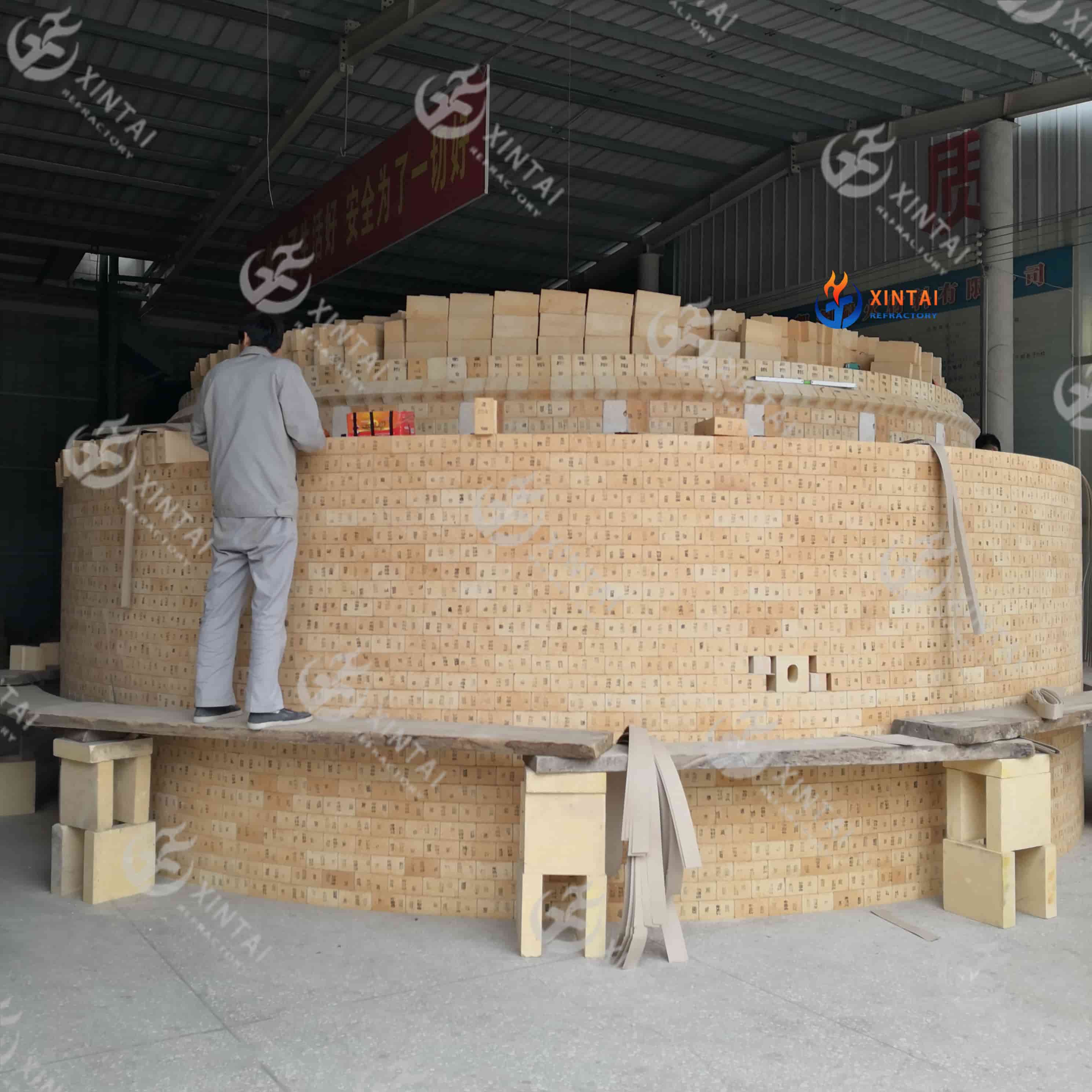
In cement kiln operations, refractory materials play a critical role, and their installation quality directly determines the kiln's service life. For refractory manufacturers, providing proper technical support not only demonstrates capability but adds significant value to their products. For contractors, mastering kiln installation techniques and understanding different refractory applications has become essential knowledge.
The Hidden Killer in Your Kiln: How Improper Refractory Installation Shortens Lining Life
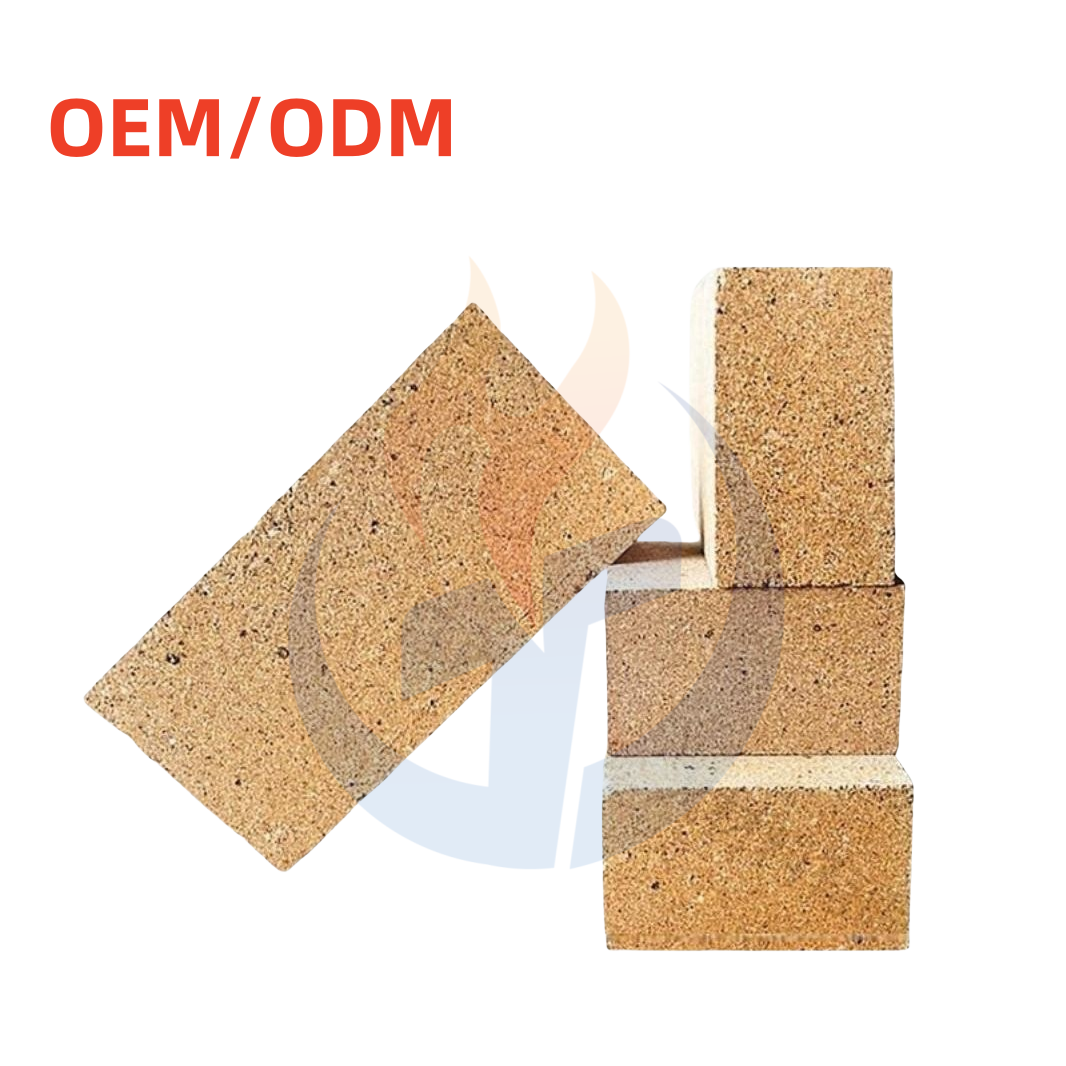
In the application of refractory materials, the refractoriness under load is more valuable than the refractoriness for the following reasons:
Which indicator is more important for refractory materials: refractoriness or refractoriness under load?
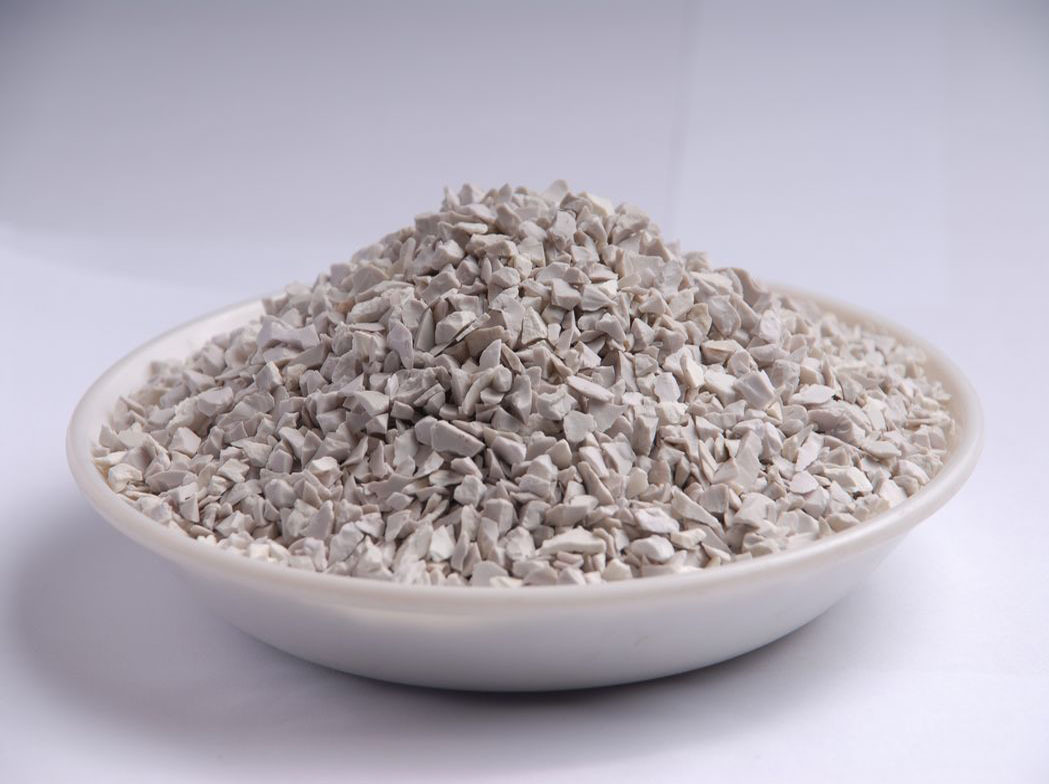
From the perspective of the world as a whole, the occurrence of the World War established the dominance of American refractory technology, for example: the head of the American table at the beginning of the twentieth century was very impressive, that is to say, related to the expansion of the production of iron and steel, and the United States showed its overwhelming strength in the development of new refractory materials after entering 1900.
Developments and changes in refractory technology after World War II