An overview of mullite materials
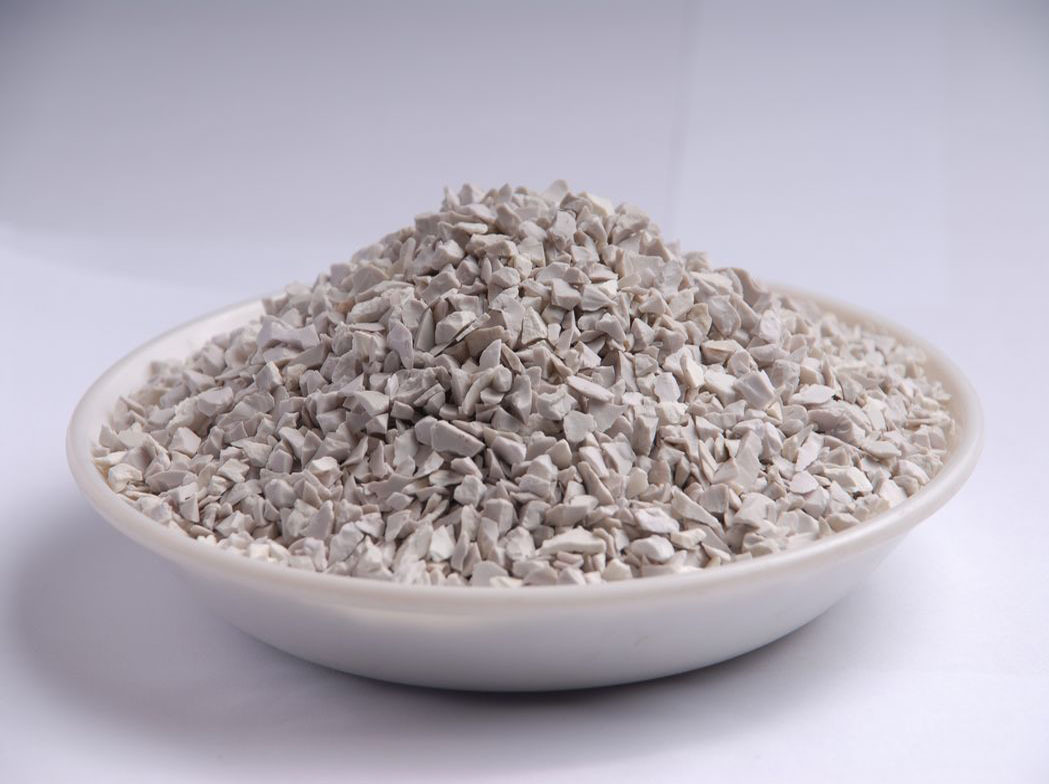
Mullite (mullite) is an aluminum silicate mineral, its chemical formula is: 3Al2O3-2SiO2, natural mullite is relatively rare, most of the mullite materials used in industry are synthesized by artificially heating aluminum silicate minerals. Mullite is the only stable compound in the Al2O3-SiO2 system, with a high melting point, it is very stable below 1800°C. When the temperature is higher than 1810°C, the mullite material will decompose into corundum and liquid phase. Mullite material has the characteristics of relatively low density and thermal conductivity, small coefficient of thermal expansion, excellent mechanical properties at high temperature and stable chemical properties, which makes it an extremely good refractory material (H.S. Tripathi, 1999). Materials used in high temperature environment should have good high temperature mechanical properties and good thermal shock resistance, pure mullite-based materials have high refractoriness, thermal shock resistance, creep resistance, high load softening temperature, chemical stability and other properties, but its strength is low, toughness, especially at room temperature toughness is low, and these shortcomings limit its application in many into the river, so mullite materials used Usually add some other raw materials to achieve the purpose of complementary advantages.
Mullite materials are generally synthesized by electrofusion synthesis method and sintering synthesis method. Mullite materials synthesized by electrofusion method have good grain size, obvious deconvolution, and are easy to be crushed; mullite materials synthesized by sintering method have fine grain size, no obvious deconvolution, and are more difficult to be crushed (Niwen, 2000).
The raw materials used for synthesis can be either chemical or natural mineral (C.Y. Chen, 2000). Mullite synthesized through chemical raw materials will have higher purity, while mullite material synthesized through natural mineral raw materials will contain more impurities, but its cost will be reduced accordingly.

Several approaches and methods for improving the creep resistance of refractory materials
Developments and changes in refractory technology after World War II
Related Article