
Which indicator is more important for refractory materials: refractoriness or refractoriness under load?
author: XINTAI
2025-08-26
1. Core Differences and Importance Comparison
Refractory (Unloaded)
Reflects a material's ability to resist high-temperature melting in the absence of external forces and only characterizes its melting temperature range.
Reflects a material's ability to resist high-temperature melting in the absence of external forces and only characterizes its melting temperature range.
Limitations: When refractoriness is reached, the material has already lost its structural strength and cannot reflect its performance under actual pressure.
Refractoriness (Unloaded)
The temperature at which a material undergoes a specific deformation (e.g., 4%) under constant pressure (usually 0.2 MPa) and increasing temperature.
The temperature at which a material undergoes a specific deformation (e.g., 4%) under constant pressure (usually 0.2 MPa) and increasing temperature.
Core Value:
Directly simulates the actual operating conditions of materials subjected to mechanical loads in high-temperature equipment; determines the maximum operating temperature of a material. For example, incinerators require materials with a refractoriness (Unloaded) point at least 200°C above the operating temperature; and better predicts a material's structural stability than refractoriness.
Directly simulates the actual operating conditions of materials subjected to mechanical loads in high-temperature equipment; determines the maximum operating temperature of a material. For example, incinerators require materials with a refractoriness (Unloaded) point at least 200°C above the operating temperature; and better predicts a material's structural stability than refractoriness.
2. Why is the refractoriness under load more critical?
Engineering Design Basis: Industrial furnaces (such as steel smelters and waste incinerators) require material selection based on refractoriness under load to ensure deformation under high temperatures and pressures. For example, one incinerator uses corundum bricks with a refractoriness under load of 1750°C to withstand operating conditions of 1400°C.
The Auxiliary Role of Refractoriness: Refractoriness is primarily used to determine whether a material is refractory (standard: ≥1500°C), but it does not provide guidance for pressure-bearing scenarios.
Performance Correlation: While the two are generally positively correlated (higher refractoriness indicates higher refractoriness under load), impurities and microstructure can significantly lower the refractoriness under load, making independent testing essential.
Engineering Design Basis: Industrial furnaces (such as steel smelters and waste incinerators) require material selection based on refractoriness under load to ensure deformation under high temperatures and pressures. For example, one incinerator uses corundum bricks with a refractoriness under load of 1750°C to withstand operating conditions of 1400°C.
The Auxiliary Role of Refractoriness: Refractoriness is primarily used to determine whether a material is refractory (standard: ≥1500°C), but it does not provide guidance for pressure-bearing scenarios.
Performance Correlation: While the two are generally positively correlated (higher refractoriness indicates higher refractoriness under load), impurities and microstructure can significantly lower the refractoriness under load, making independent testing essential.
3. Typical Application Scenario Verification
Waste Incinerator:
Refractoriness under load ≥1750°C
Must withstand mechanical loads and alkaline vapor corrosion to prevent furnace wall deformation and collapse
Refractoriness under load ≥1750°C
Must withstand mechanical loads and alkaline vapor corrosion to prevent furnace wall deformation and collapse
High-temperature kiln linings:
Refraction under load
Material must withstand long-term material pressure and temperature fluctuations
Refraction under load
Material must withstand long-term material pressure and temperature fluctuations
Refractory Material Classification:
Refractory degree (basic threshold)
This is used only as a basis for material classification; actual material selection requires consideration of the refractoriness under load temperature.
Refractory degree (basic threshold)
This is used only as a basis for material classification; actual material selection requires consideration of the refractoriness under load temperature.
Conclusion
Refraction under load (ROL) is the primary criterion for refractory material selection, as it directly impacts structural safety under high-temperature and pressure conditions. While refractoriness, as a fundamental threshold, remains valuable in material classification, it cannot replace the engineering guidance provided by RRO. In practical applications, a combination of the two is necessary, prioritizing ensuring that the RRO meets the required operating conditions.
Refraction under load (ROL) is the primary criterion for refractory material selection, as it directly impacts structural safety under high-temperature and pressure conditions. While refractoriness, as a fundamental threshold, remains valuable in material classification, it cannot replace the engineering guidance provided by RRO. In practical applications, a combination of the two is necessary, prioritizing ensuring that the RRO meets the required operating conditions.
The Hidden Killer in Your Kiln: How Improper Refractory Installation Shortens Lining Life
Several approaches and methods for improving the creep resistance of refractory materials
Related Article
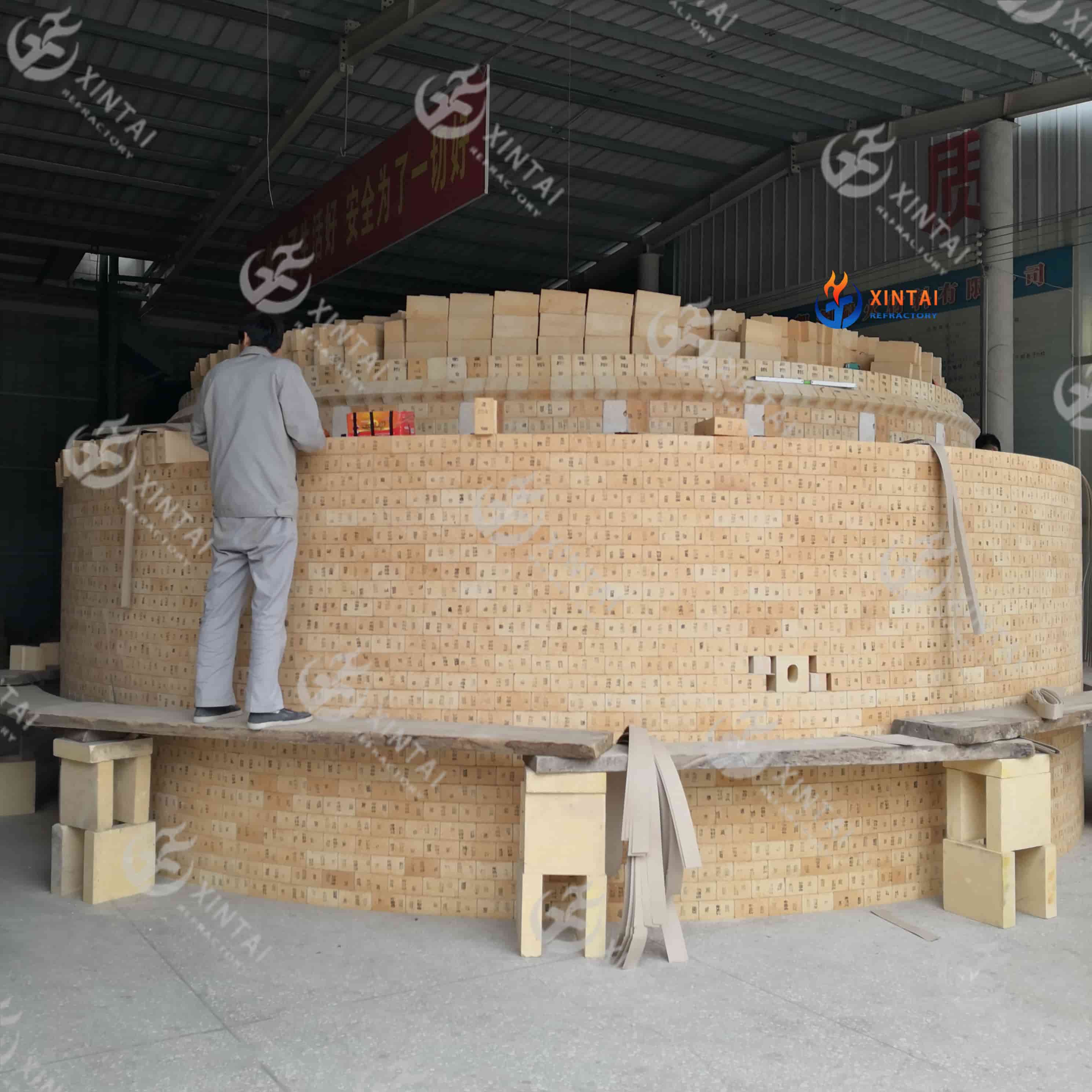
In cement kiln operations, refractory materials play a critical role, and their installation quality directly determines the kiln's service life. For refractory manufacturers, providing proper technical support not only demonstrates capability but adds significant value to their products. For contractors, mastering kiln installation techniques and understanding different refractory applications has become essential knowledge.
The Hidden Killer in Your Kiln: How Improper Refractory Installation Shortens Lining Life
Refractory materials, as the core basic materials for high-temperature industries such as steel, metallurgy, ceramics, and glass, their creep resistance performance directly affects the service life of kilns, production efficiency, and energy consumption control.
Several approaches and methods for improving the creep resistance of refractory materials
From the perspective of the world as a whole, the occurrence of the World War established the dominance of American refractory technology, for example: the head of the American table at the beginning of the twentieth century was very impressive, that is to say, related to the expansion of the production of iron and steel, and the United States showed its overwhelming strength in the development of new refractory materials after entering 1900.
Developments and changes in refractory technology after World War II