Developments and changes in refractory technology after World War II
author: Archie
2025-05-15
The problem of refractories in terms of both quantity and quality expanded due to the lack of raw materials, materials, and equipment, which accompanied the World War. On the one hand, the strong refractory industry, which was coloured by the munitions industry, pushed forward the further development of the technological level in the form of mandatory technological standardisation and mutual exchanges.
This tendency was accelerated by the system of uniform allocation of technical students (with priority given to those in important sectors), which was introduced in 1938, as a result of the transfer of a large number of technicians and technologists from the ceramics manufacturing industry to the refractory manufacturing industry, and the increase in the number of technologists, in particular, which led to an increase in the number of technologists, and to an improvement in technology.

The development of refractory materials from substitute raw materials and other innovations under the wartime system were rewarded in Japan, and the development and use of magnesium-olivine refractory bricks for steel furnaces from olivine (main components: 2MgO-SiO2) produced in Ehime Prefecture, Shikoku, as a substitute for chromium-magnesium refractory bricks was an example of this.
However, at the end of World War II, the production volume of factories declined and technological development came to a complete halt, and the deepest impact was the interruption of information exchanges with overseas under the closed-door situation. Not only basic science, cutting-edge technology, refractory technology information was also cut off in the middle of the process, so in the process of rapid development since the Meiji Restoration, gradually catching up with Europe and the United States, Japanese refractories once again widened the gap with Europe and the United States.
The widening of the gap was not realised until the post-war period, when many professionals and technicians visited Europe and the United States. The refractory industry, like the iron and steel industry, had to be damaged and stagnated due to the impact of the war, but at the same time, it also created the basis for a new starting point, and the post-war refractory technology, centred on the introduction of technology, began a new chapter.
An overview of mullite materials
Related Article
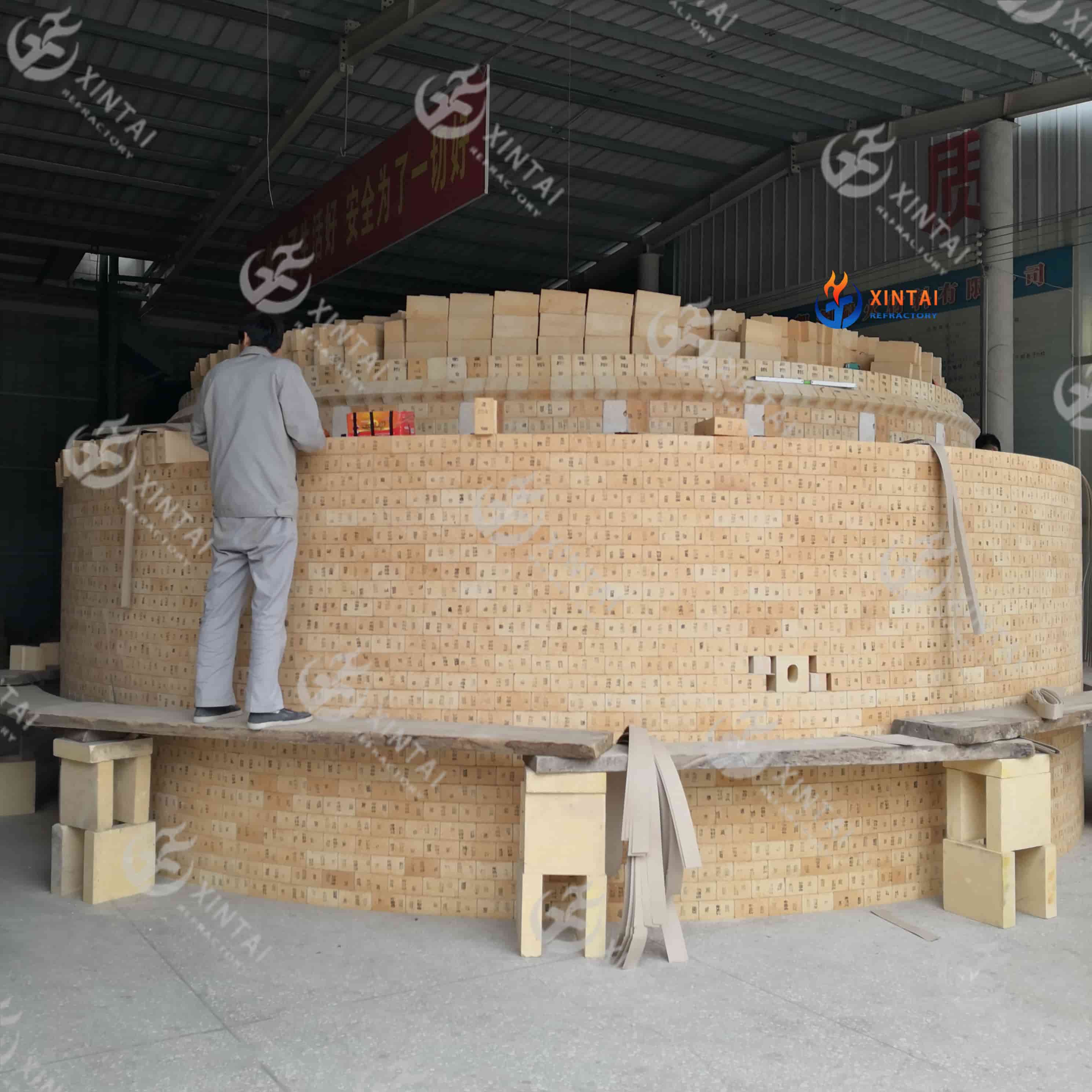
In cement kiln operations, refractory materials play a critical role, and their installation quality directly determines the kiln's service life. For refractory manufacturers, providing proper technical support not only demonstrates capability but adds significant value to their products. For contractors, mastering kiln installation techniques and understanding different refractory applications has become essential knowledge.
The Hidden Killer in Your Kiln: How Improper Refractory Installation Shortens Lining Life
In the application of refractory materials, the refractoriness under load is more valuable than the refractoriness for the following reasons:
Which indicator is more important for refractory materials: refractoriness or refractoriness under load?
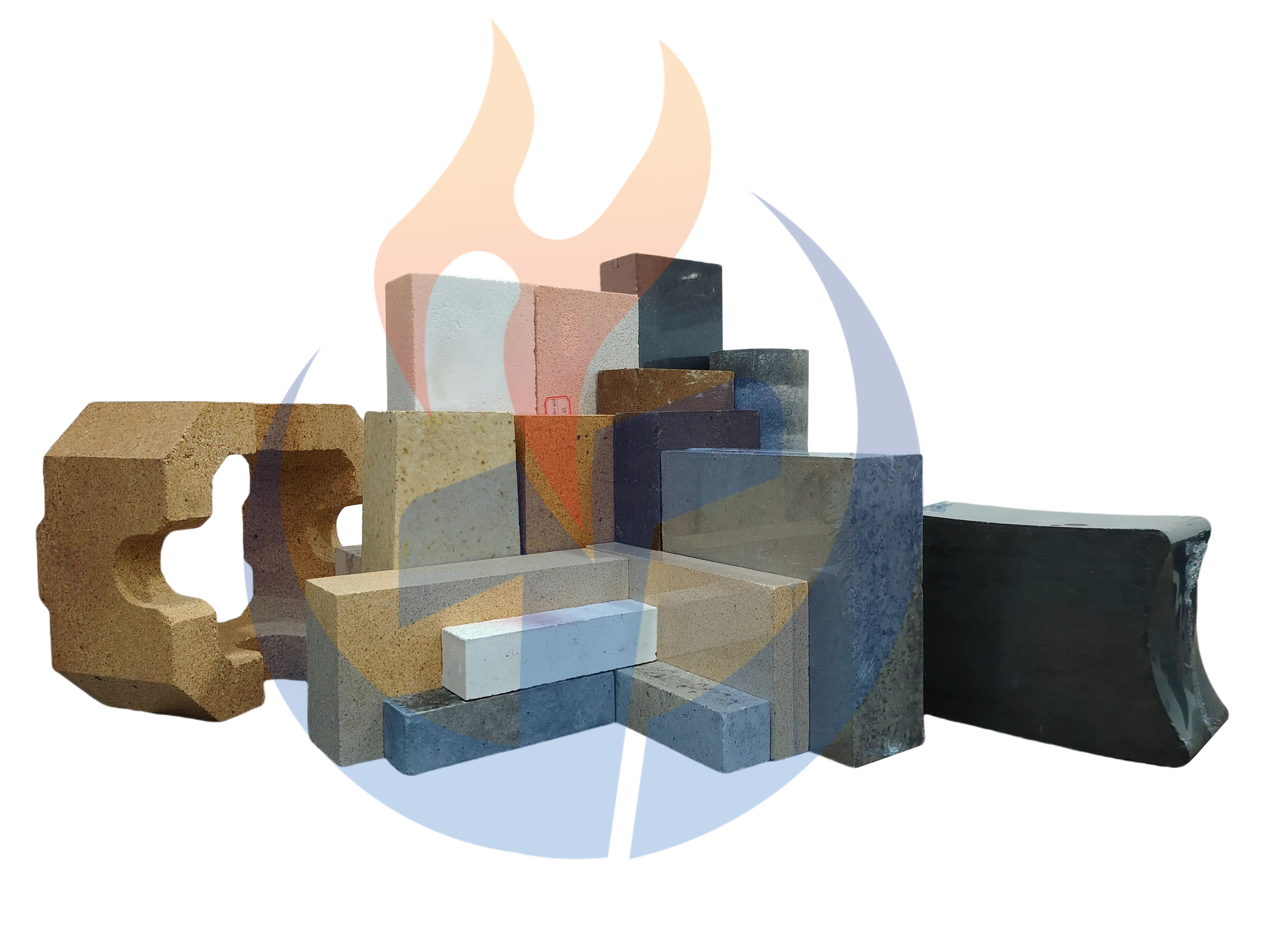
Refractory materials, as the core basic materials for high-temperature industries such as steel, metallurgy, ceramics, and glass, their creep resistance performance directly affects the service life of kilns, production efficiency, and energy consumption control.
Several approaches and methods for improving the creep resistance of refractory materials