
Impact of the change in function of the ladle on the refractory material
author: Archie
2025-05-27
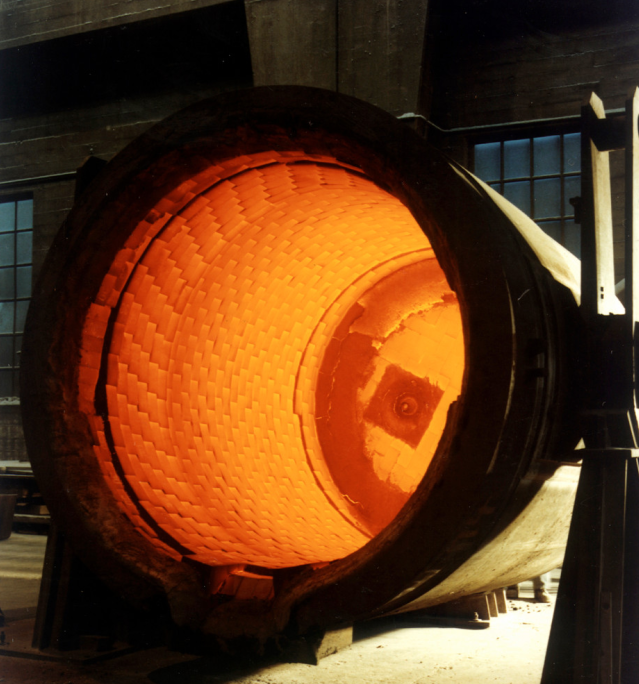
(1) secondary refining ladle liquid steel temperature rises significantly, usually 50 ~ 100 ℃ higher than ordinary ladle, refining process may be higher than 150 ℃ or more, the higher the temperature, slag and molten steel on the refractory material erosion accelerated significantly.
(2) The secondary refining ladle steel circulation movement intensified. Due to the adoption of technologies such as argon spraying, electromagnetic stirring and vacuum treatment, the scouring and abrasive effect of molten steel on refractory materials is serious.
(3) The erosiveness of the slag of the secondary refining ladle is enhanced. The secondary refining furnace requires deep desulphurisation and phosphorus slag smelting operations, so the slag has a high alkalinity and a large amount of slag, and the erosive effect on the refractory materials is obviously intensified.
(4) The secondary refining ladle steel holding time is significantly longer than the ordinary ladle to extend 1 to several times, the result is that the service life of the refractory materials used in the ladle is significantly shorter.
(5) Due to the secondary refining ladle in many cases are used in high-temperature vacuum, vacuum conditions, the refractory material evaporation rate accelerated, but also makes the refractory material erosion resistance decline.
(2) The secondary refining ladle steel circulation movement intensified. Due to the adoption of technologies such as argon spraying, electromagnetic stirring and vacuum treatment, the scouring and abrasive effect of molten steel on refractory materials is serious.
(3) The erosiveness of the slag of the secondary refining ladle is enhanced. The secondary refining furnace requires deep desulphurisation and phosphorus slag smelting operations, so the slag has a high alkalinity and a large amount of slag, and the erosive effect on the refractory materials is obviously intensified.
(4) The secondary refining ladle steel holding time is significantly longer than the ordinary ladle to extend 1 to several times, the result is that the service life of the refractory materials used in the ladle is significantly shorter.
(5) Due to the secondary refining ladle in many cases are used in high-temperature vacuum, vacuum conditions, the refractory material evaporation rate accelerated, but also makes the refractory material erosion resistance decline.

Refractories for iron ladle linings can't be destroyed without these 6 factors
Refining ladles need to know this when choosing breathable bricks
Related Article
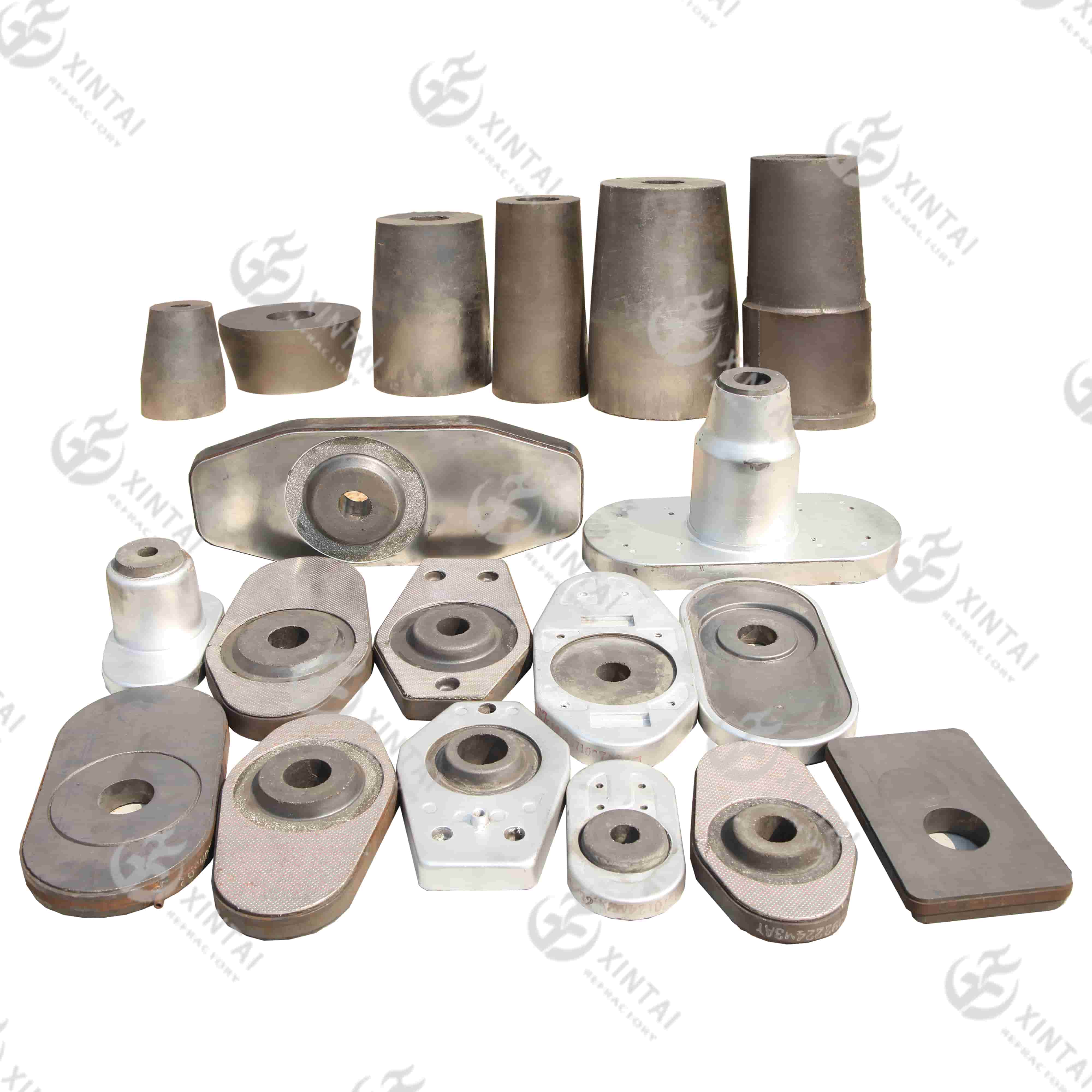
Understanding the erosion mechanisms that cost steel mills millions annually
The Hidden Battle: Why Your Slide Gate Plates Fail Prematurely in Steel Casting

Some common situations, causes and preventive measures of steel penetration, seepage and leakage in ladle sliding plates
Some common situations, causes and preventive measures of steel ladles
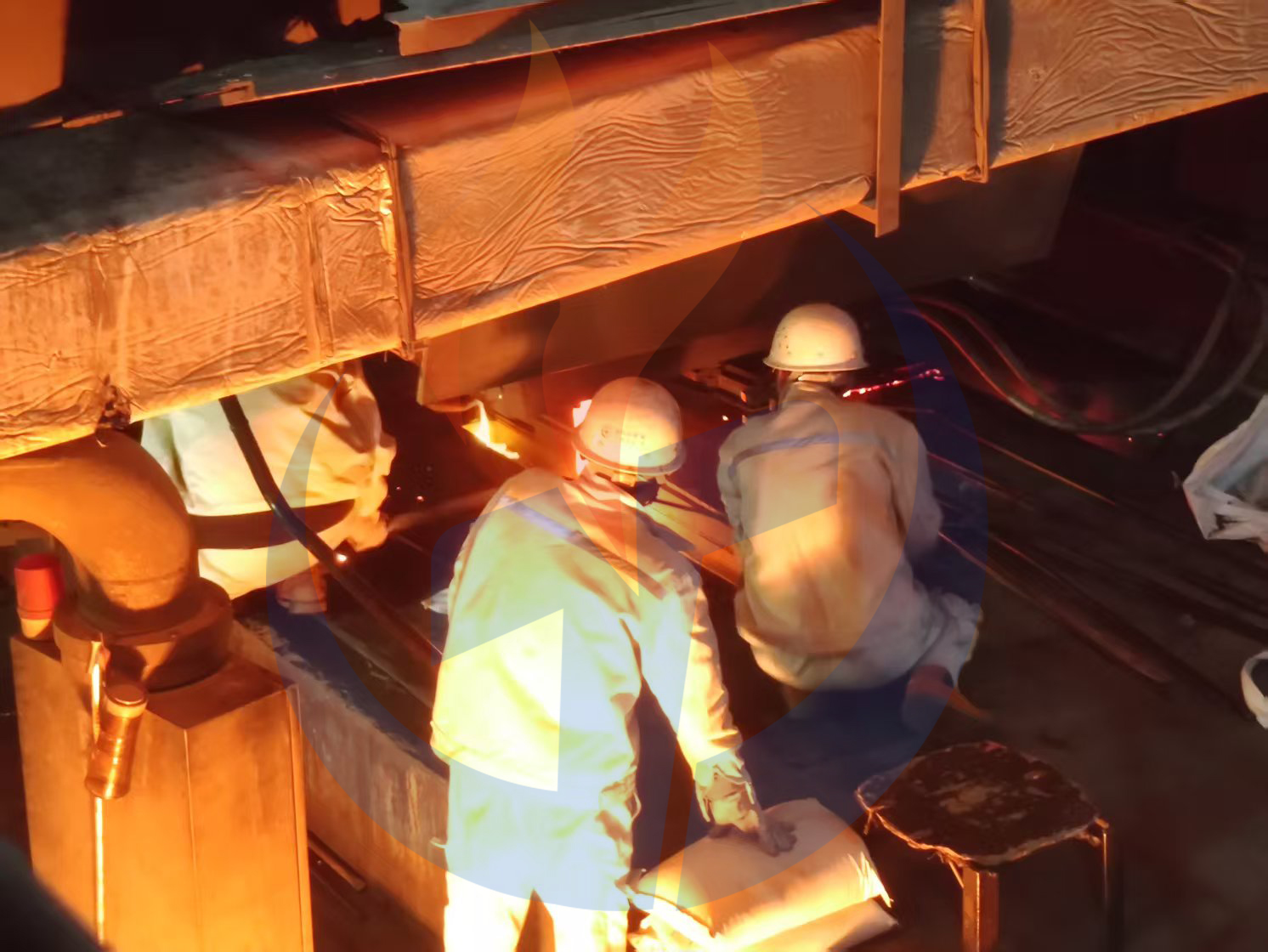
The tundish is a device used for the transition of molten steel between the molten steel ladle and the mold. The tundish plays a role of "connecting the upper and lower parts" after receiving the molten steel flowing into the continuous casting ladle. Its installation position is shown in the figure
What is the function of the tundish?

With the large-scale development of continuous casting equipment, the amount of steel passing through the unit in the long spout has gradually increased, from less than 1t/min originally to more than 7t/min at present. The increase in the amount of steel passing through per unit time has caused a sharp erosion of the inner wall. Therefore, the erosion of the inner wall has become the decisive factor for the long service life of the water outlet.
The main factors affecting the service life of long spouts and the ways to improve their service life