
The Hidden Battle: Why Your Slide Gate Plates Fail Prematurely in Steel Casting
author: XINTAI
2025-09-16
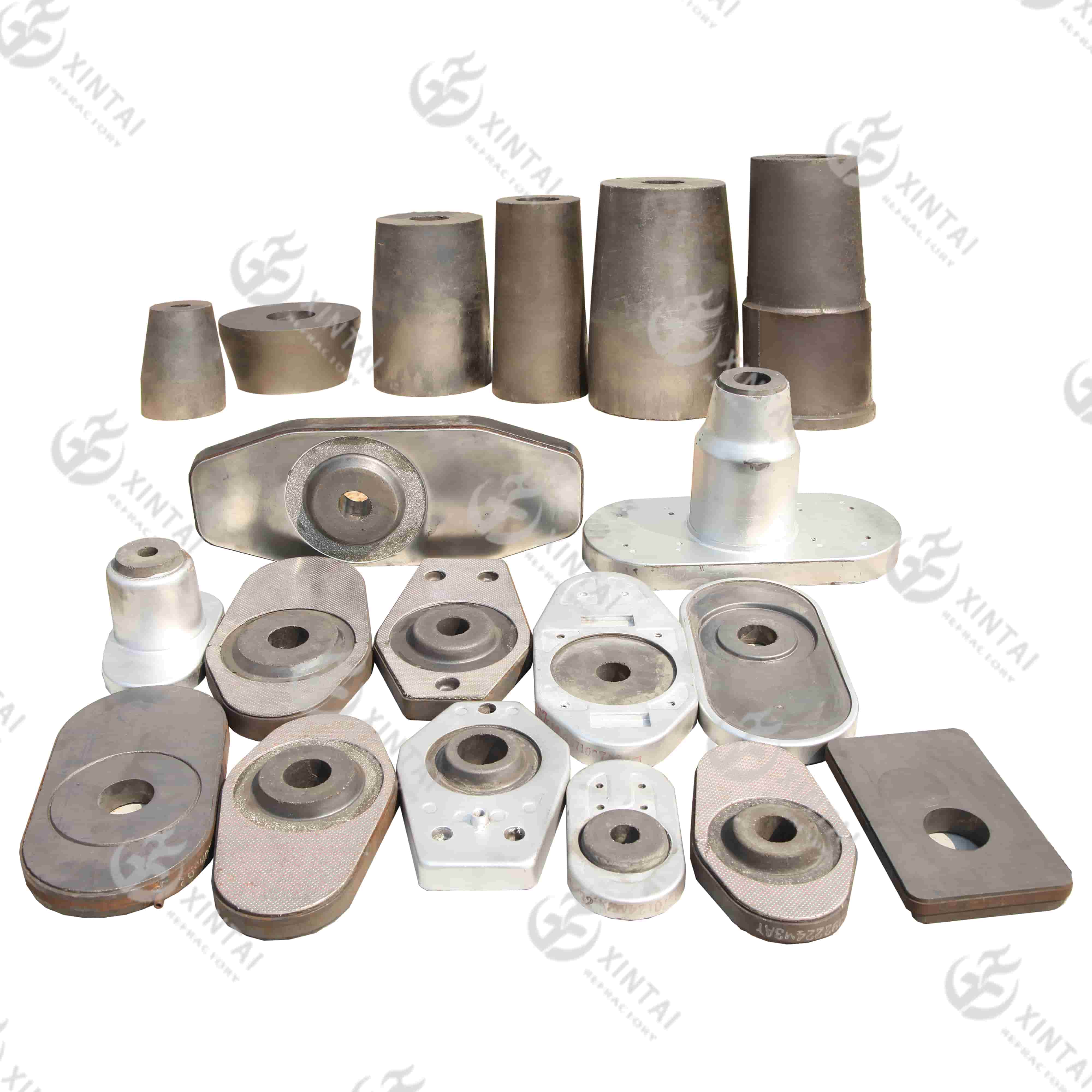
The Critical Role of Slide Gate Plates in Modern Steelmaking
In the heart of every steel plant, a silent battle rages on. Slide gate plates—those unassuming refractory components—stand as the last line of defense between molten steel at 1600°C and catastrophic failure. These precision-engineered components control the flow of liquid steel from ladles and tundishes, making them the unsung heroes of continuous casting operations.
Yet despite their critical importance, premature failure of slide gate plates remains one of the most costly challenges facing steel producers today. Understanding why these failures occur isn't just academic—it's the key to reducing downtime, improving safety, and saving millions in operational costs.
The Double-Edged Sword: Two Primary Attack Mechanisms
1. Thermomechanical Destruction: The Shock That Starts It All
Imagine plunging a frozen glass into boiling water. Now multiply that thermal shock by a thousand-fold. This is precisely what happens when a slide gate plate at room temperature suddenly contacts 1600°C molten steel.
The Physics of Destruction:
-
Temperature differential: ~1400°C instantaneous change
-
Thermal stress exceeds material strength
-
Radial microcracks form around the casting hole
-
Each thermal cycle propagates existing cracks
These microcracks aren't merely cosmetic damage—they're highways for chemical attack. Like cracks in a dam, they provide pathways for molten steel and slag to penetrate deeper into the refractory structure, accelerating destruction from within.
Real-World Impact: A typical slide gate plate experiences 4-7 heating cycles per cast. Each cycle expands these cracks exponentially, reducing service life by up to 60%.
2. Thermochemical Warfare: When Chemistry Becomes the Enemy
While thermal shock initiates the damage, chemical erosion completes the destruction. The interaction between refractory materials and molten steel creates a perfect storm of degradation.
The Chemical Battlefield:
Carbon Oxidation Attack:
-
High-oxygen steels oxidize carbon content
-
Creates porous structure weakening the matrix
-
Molten steel penetrates these pores
-
Results in surface adhesion and spalling
The Mullite Breakdown:
-
Mullite (3Al₂O₃·2SiO₂) decomposes under extreme conditions
-
Transforms into porous corundum crystals
-
Destroys the dense eutectic structure
-
Reduces strength by up to 40%
Metallic Element Assault:
-
Iron/Manganese Attack: Forms low-melting compounds (2FeO·SiO₂ at 1205°C, MnO·SiO₂ at 1291°C)
-
Calcium Corrosion: Creates calcium aluminates (2CaO·Al₂O₃·SiO₂ at 1327°C, 12CaO·7Al₂O₃ at 1392°C)
Steel Grade Specific Challenges: One Size Doesn't Fit All
Different steel grades present unique erosion challenges:
Killed Steels
-
Relatively low oxygen content
-
Al₂O₃-ZrO₂-C plates perform excellently
-
Can achieve multi-heat continuous casting
High-Oxygen, High-Manganese Steels
-
Aggressive chemical attack
-
Requires MgO-C or MgO·Al₂O₃-C compositions
-
Lower thermal shock resistance but better chemical stability
Calcium-Treated Steels
-
Most corrosive environment
-
Avoid Al₂O₃-based materials entirely
-
ZrO₂ or MgO-C compositions essential
The Solution: Material Science Meets Operational Excellence
Advanced Material Solutions:
Al₂O₃-ZrO₂-C Composites:
-
Superior thermal shock resistance
-
Excellent for killed steel applications
-
Service life: 4-7 heats depending on conditions
MgO-C Systems:
-
Outstanding chemical resistance
-
Ideal for calcium-treated steels
-
Lower thermal shock tolerance but superior chemical stability
ZrO₂-Enhanced Formulations:
-
Premium corrosion resistance
-
Higher cost but extended service life
-
Best for extreme chemical environments
Operational Best Practices:
-
Preheating Protocol: Heat plates to 800-1000°C before use
-
Steel Grade Matching: Select materials based on specific chemical challenges
-
Installation Precision: Ensure sliding surface flatness ≤0.05mm
-
Cooling Management: Controlled cooling between heats prevents thermal shock

The Economic Impact: Beyond Material Costs
Premature slide gate failure costs extend far beyond the refractory price:
-
Lost production time: $50,000-200,000 per hour
-
Safety incidents: Potential injuries from molten steel exposure
-
Quality issues: Contamination from degraded refractories
-
Maintenance overtime: Emergency repairs during critical production periods
Case Study: One major steel producer reduced slide gate failures by 40% through proper material selection and preheating protocols, saving $2.3 million annually in downtime costs alone.
Looking Forward: The Next Generation of Slide Gate Technology
Emerging technologies promise even greater performance:
-
Nanotechnology-enhanced refractories
-
Smart monitoring systems for predictive maintenance
-
Advanced composite materials with self-healing properties
-
AI-optimized material selection algorithms
Take Action Today
Understanding erosion mechanisms is just the first step. Implementing proper material selection, operational procedures, and maintenance protocols can dramatically extend slide gate life and reduce costly failures.
Key Takeaways:
-
Match slide gate material to your specific steel grades
-
Implement proper preheating procedures
-
Monitor thermal cycling patterns
-
Plan maintenance based on predictive data, not just reactive repairs
The battle against slide gate erosion never ends, but with proper knowledge and procedures, you can win every engagement.
Ready to optimize your slide gate performance? Contact our technical team for a comprehensive analysis of your specific operating conditions and customized material recommendations.
Some common situations, causes and preventive measures of steel ladles
Related Article

Some common situations, causes and preventive measures of steel penetration, seepage and leakage in ladle sliding plates
Some common situations, causes and preventive measures of steel ladles
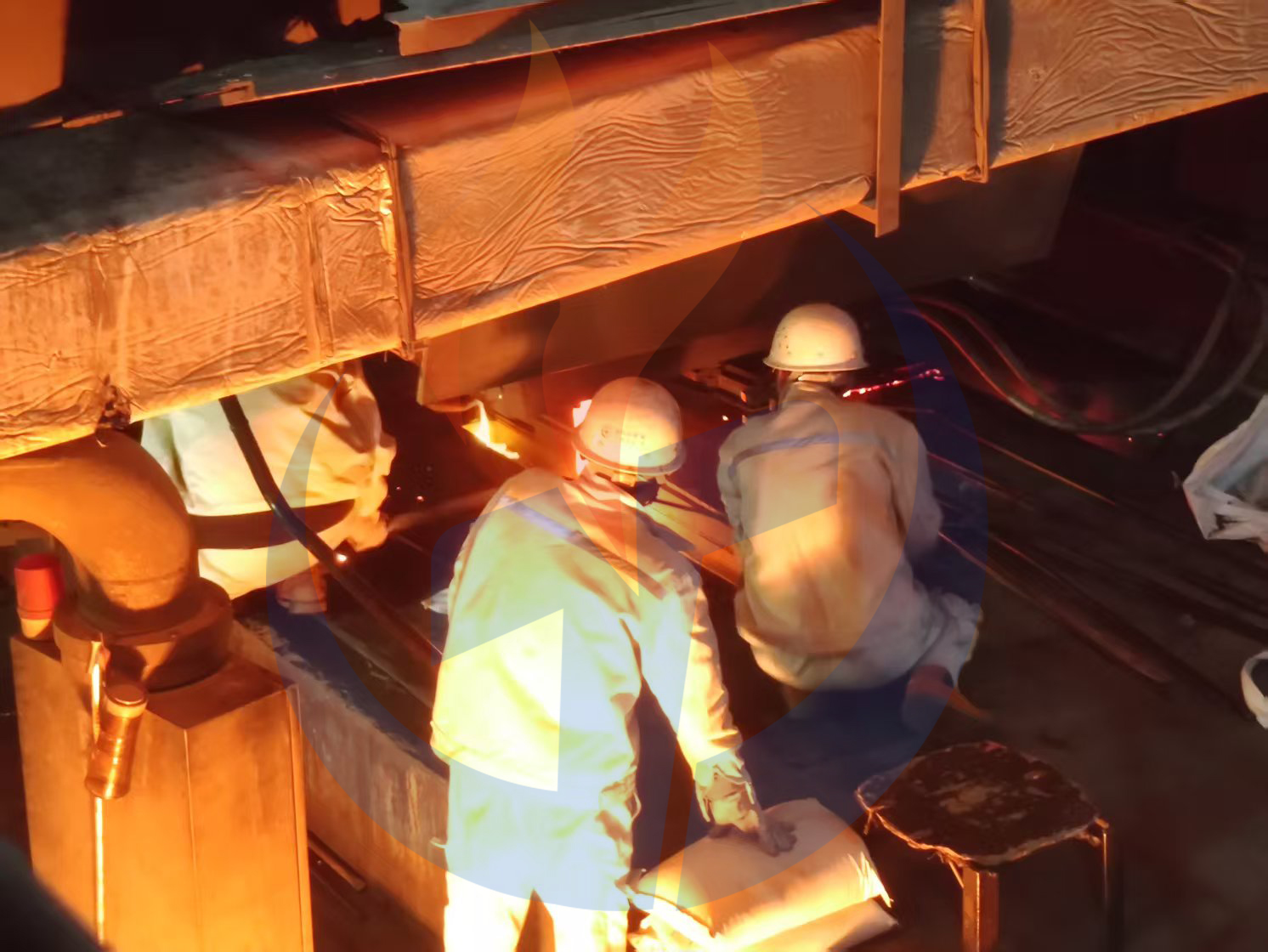
The tundish is a device used for the transition of molten steel between the molten steel ladle and the mold. The tundish plays a role of "connecting the upper and lower parts" after receiving the molten steel flowing into the continuous casting ladle. Its installation position is shown in the figure
What is the function of the tundish?

With the large-scale development of continuous casting equipment, the amount of steel passing through the unit in the long spout has gradually increased, from less than 1t/min originally to more than 7t/min at present. The increase in the amount of steel passing through per unit time has caused a sharp erosion of the inner wall. Therefore, the erosion of the inner wall has become the decisive factor for the long service life of the water outlet.
The main factors affecting the service life of long spouts and the ways to improve their service life

The main function of the molten iron ladle is to transport molten iron to the converter and electric furnace. In the process of transporting molten steel, the lining of the tank is mainly subjected to the following aspects of damage.
Refractories for iron ladle linings can't be destroyed without these 6 factors