
Factors affecting the service life of refractory materials used for electric furnace covers
author: XINTAI
2025-08-05

The electric furnace smelting process is extremely complex, and the usage conditions of the prefabricated components in the triangular area are very strict. It is mainly affected by a combination of factors such as electrode arc radiation, rapid cooling and heating, chemical erosion by molten steel and slag, high-speed gas flow impact wear formed during dust removal, and unreasonable structure of the furnace cover.
1. Arc radiation
During electric furnace smelting, the arc temperature generated by electrode discharge can reach over 3000℃, causing severe melting damage to the working surface of the small furnace cover. During the arc initiation stage, the arc is exposed above the charge, close to the furnace top, with a large amount of thermal radiation. The longer the arc, the greater the power, the greater the radiant heat to the furnace top, and the faster the furnace top is damaged. Generally, steel mills require that a lower power supply be adopted at the beginning of the arc to control the length of the arc. During the process of drilling through the well, the gradual adoption of high-voltage and high-current power supply is all for the protection of the furnace cover.
During electric furnace smelting, the arc temperature generated by electrode discharge can reach over 3000℃, causing severe melting damage to the working surface of the small furnace cover. During the arc initiation stage, the arc is exposed above the charge, close to the furnace top, with a large amount of thermal radiation. The longer the arc, the greater the power, the greater the radiant heat to the furnace top, and the faster the furnace top is damaged. Generally, steel mills require that a lower power supply be adopted at the beginning of the arc to control the length of the arc. During the process of drilling through the well, the gradual adoption of high-voltage and high-current power supply is all for the protection of the furnace cover.
2. Sudden cooling and heating
Electric arc heating, steel tapping and the rotation of the furnace cover to the outside of the furnace for loading materials cause rapid cooling and heating, which in turn leads to thermal stress on the furnace cover and causes the working surface to peel off.
3. Suction force of the dust removal system
The high-speed airflow formed by the dust extraction system causes impact and wear on the working surface of the furnace cover. When the suction force is insufficient, most of the smoke and flame produced by the melting of scrap steel escape from the gap between the electrode and the electrode hole. The long-term and intense scouring of the gas flow causes severe expansion of the electrode hole. When the main furnace cover is spherical or arc-shaped in structure, it will cause the working surface of the small furnace cover to be eroded in an arc shape. For this reason, the operator should regularly clear the debris in the flue of the dust removal system to prevent the flue from being blocked and affecting the dust removal effect.
4. Chemical erosion
Molten steel and slag splash onto the working surface of the furnace cover. Some of the chemical components react chemically with the working surface and penetrate into the interior of the working surface, forming a metamorphic layer. When there is a sudden change in temperature, the thermal stress generated causes the metamorphic layer to peel off, and then a new working surface is formed and suffers from cyclic damage. The higher the distance between the liquid surface of the molten pool and the working surface of the small furnace cover, the smaller the splashing effect and the less the influence of chemical erosion. The height is generally above 1.5 meters.
Molten steel and slag splash onto the working surface of the furnace cover. Some of the chemical components react chemically with the working surface and penetrate into the interior of the working surface, forming a metamorphic layer. When there is a sudden change in temperature, the thermal stress generated causes the metamorphic layer to peel off, and then a new working surface is formed and suffers from cyclic damage. The higher the distance between the liquid surface of the molten pool and the working surface of the small furnace cover, the smaller the splashing effect and the less the influence of chemical erosion. The height is generally above 1.5 meters.
5. The proportion of molten iron added
Molten iron contains a relatively high amount of silicon and sulfur. In an oxidizing atmosphere, it is prone to form acidic substances such as silicon oxide and a small amount of sulfur oxide, which aggravates the damage to the small furnace cover. The higher the proportion of molten iron added, the greater the impact.
Molten iron contains a relatively high amount of silicon and sulfur. In an oxidizing atmosphere, it is prone to form acidic substances such as silicon oxide and a small amount of sulfur oxide, which aggravates the damage to the small furnace cover. The higher the proportion of molten iron added, the greater the impact.

6. Electrode spray water
The application of spray water measures on the electrodes not only reduces electrode consumption but also lowers the temperature around the electrode holes, thereby suppressing high-temperature melting loss to a certain extent. If this measure is not adopted, it will aggravate the damage of the electrode holes, mainly manifested as reaming.
The application of spray water measures on the electrodes not only reduces electrode consumption but also lowers the temperature around the electrode holes, thereby suppressing high-temperature melting loss to a certain extent. If this measure is not adopted, it will aggravate the damage of the electrode holes, mainly manifested as reaming.
7. The impact of leakage from the replaceable water cooling ring
Replaceable water-cooling rings often have leakage problems in many steel mills: when leakage occurs, the water is quickly vaporized and drawn out along with the flue gas, having little impact on small furnace covers. However, when there is severe water leakage, it may lead to a large spray of molten steel or an explosion of the furnace. To prevent such accidents, the water-cooling ring is often removed in advance for welding. Meanwhile, the small furnace cover was lifted down, re-welded and then lifted back up for use. At this time, the deteriorated layer on the working surface was subjected to severe rapid heating and cooling, which would significantly reduce the service life of the small furnace cover. Sometimes, when the small stove cover cracks severely or the lining is too thin in the cooling state, the user will turn it over, artificially limiting the service life of the small stove cover. Therefore, eliminating the leakage of replaceable water cooling rings is the top priority for steel mills.
Replaceable water-cooling rings often have leakage problems in many steel mills: when leakage occurs, the water is quickly vaporized and drawn out along with the flue gas, having little impact on small furnace covers. However, when there is severe water leakage, it may lead to a large spray of molten steel or an explosion of the furnace. To prevent such accidents, the water-cooling ring is often removed in advance for welding. Meanwhile, the small furnace cover was lifted down, re-welded and then lifted back up for use. At this time, the deteriorated layer on the working surface was subjected to severe rapid heating and cooling, which would significantly reduce the service life of the small furnace cover. Sometimes, when the small stove cover cracks severely or the lining is too thin in the cooling state, the user will turn it over, artificially limiting the service life of the small stove cover. Therefore, eliminating the leakage of replaceable water cooling rings is the top priority for steel mills.
8. Influence of the furnace cover structure
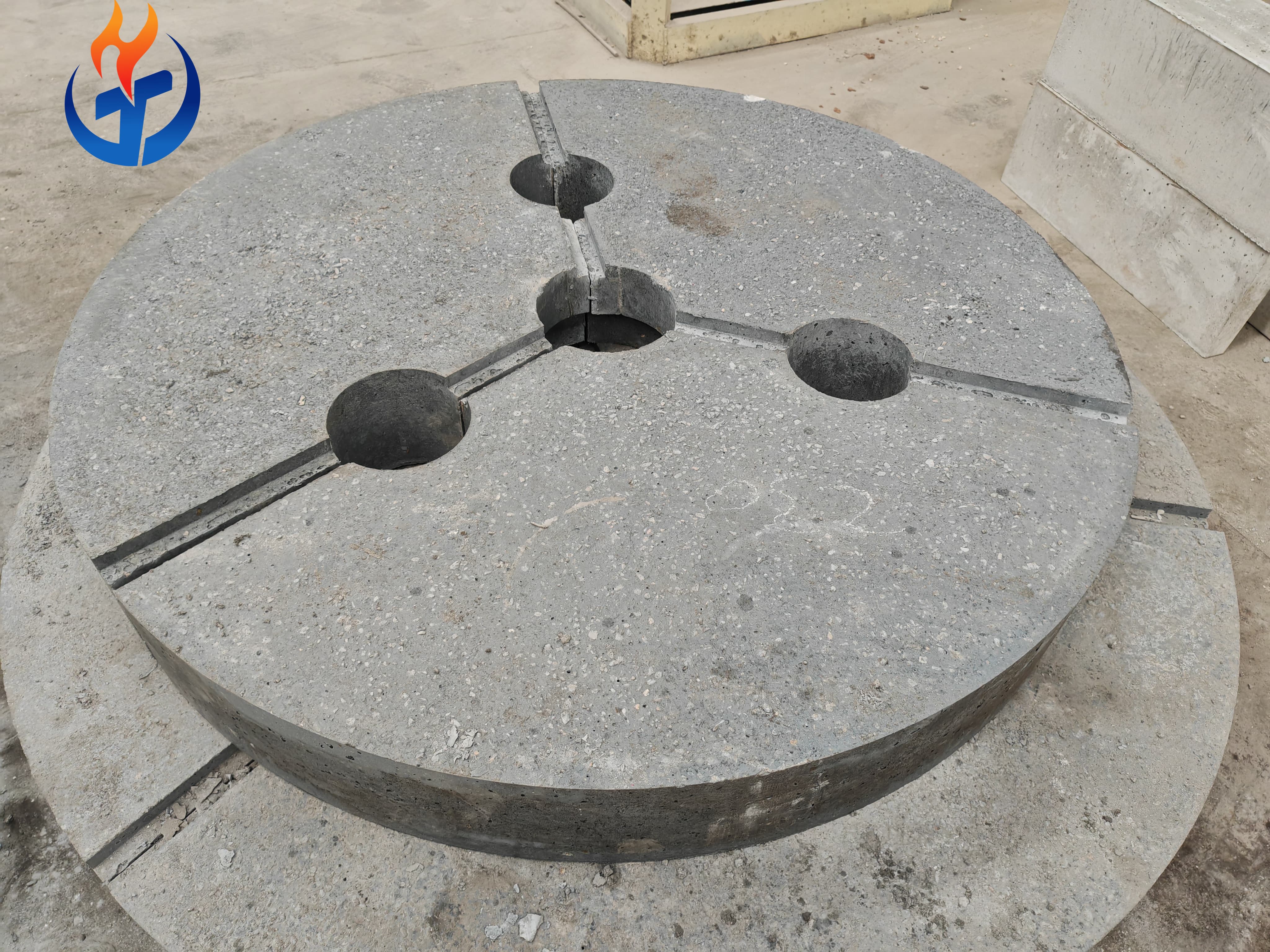
Under the effect of its own weight, the flat-top structure furnace cover is prone to loosening and collapsing due to the cracking of the ribs between the electrode holes. In the absence of external support, even three electrode holes may be connected into one large hole, eventually leading to the replacement of the furnace cover. If it is an arched roof structure, even if there are cracks, they will be squeezed tightly under the self-weight of the furnace cover and will not cause loosening, thus extending the service life of the furnace cover. Therefore, the furnace cover with an arched roof structure is more effective in use than that with a flat roof structure.
Under the effect of its own weight, the flat-top structure furnace cover is prone to loosening and collapsing due to the cracking of the ribs between the electrode holes. In the absence of external support, even three electrode holes may be connected into one large hole, eventually leading to the replacement of the furnace cover. If it is an arched roof structure, even if there are cracks, they will be squeezed tightly under the self-weight of the furnace cover and will not cause loosening, thus extending the service life of the furnace cover. Therefore, the furnace cover with an arched roof structure is more effective in use than that with a flat roof structure.
9. Technical level of foam slag production
In the later stage of electric furnace smelting, foam slag needs to be produced. Foam slag covers the surface of molten steel, burying the electrode arc light. This not only enhances thermal efficiency but also reduces the exposure of arc light, resulting in less melting damage to the working surface of the small furnace cover. Therefore, the quality of foam slag production also has a certain impact on the use of the small furnace cover. There are two methods for making foam slag. One is to take advantage of the fact that molten steel contains a relatively large amount of carbon. Under an oxidizing atmosphere, carbon monoxide can automatically form and pass through the slag to form foam slag. Another method is more commonly used. At the furnace door, a carbon-oxygen gun is used to blow carbon powder and oxygen, generating carbon monoxide that passes through the slag to form foam slag. At the same time, carbon powder can also be manually added to make slag.
In the later stage of electric furnace smelting, foam slag needs to be produced. Foam slag covers the surface of molten steel, burying the electrode arc light. This not only enhances thermal efficiency but also reduces the exposure of arc light, resulting in less melting damage to the working surface of the small furnace cover. Therefore, the quality of foam slag production also has a certain impact on the use of the small furnace cover. There are two methods for making foam slag. One is to take advantage of the fact that molten steel contains a relatively large amount of carbon. Under an oxidizing atmosphere, carbon monoxide can automatically form and pass through the slag to form foam slag. Another method is more commonly used. At the furnace door, a carbon-oxygen gun is used to blow carbon powder and oxygen, generating carbon monoxide that passes through the slag to form foam slag. At the same time, carbon powder can also be manually added to make slag.
10. Requirements for refractory materials used in furnace covers
The rapid heating and cooling caused by electric arc heating, steel tapping and the rotation of the furnace cover to the outside of the furnace for loading materials require that the refractory materials used for the electric furnace cover have good thermal shock resistance. Due to the splashing of molten steel and slag, as well as the erosion of the furnace cover by acidic substances such as silicon oxide and a small amount of sulfur oxide, refractory materials are required to have good slag resistance to high-temperature slag. Under the effect of its own weight, the furnace cover is prone to loosening and collapse due to the cracking of the ribs between the electrode holes without external support. Therefore, the refractory materials used for the furnace cover should have good integrity and a firm structure without cracking.
Selection of kiln type structure and lining refractory materials for glass melting furnaces
Common causes of lumps in lime kilns and their solutions
Related Article

Refractory materials are the main building materials of glass melting furnaces, and they have a decisive impact on the quality of glass, energy consumption and even product costs. The development of glass melting technology largely depends on the advancement of refractory material manufacturing technology and the improvement of quality.
Selection of kiln type structure and lining refractory materials for glass melting furnaces

Overburning and lumping are common phenomena in the lime production process. They not only affect product quality but, in severe cases, can have a fatal impact on the production process, refractory materials of the kiln body and other equipment. This article analyzes the causes of overburning and tumor formation, general treatment methods for tumor formation, and preventive measures, effectively avoiding the occurrence of tumor formation.
Common causes of lumps in lime kilns and their solutions

A kiln is a space capable of generating high temperatures, and the materials that make up this space are called kiln construction materials. The construction materials should include two major categories: refractory materials and thermal insulation materials (or heat insulation materials). In addition, to enhance the structural strength of the kiln body, the materials used for furnace construction should also include common building materials (such as ash bricks, etc.) and metal materials, etc.
Don't know how to build a kiln or furnace? This article is enough
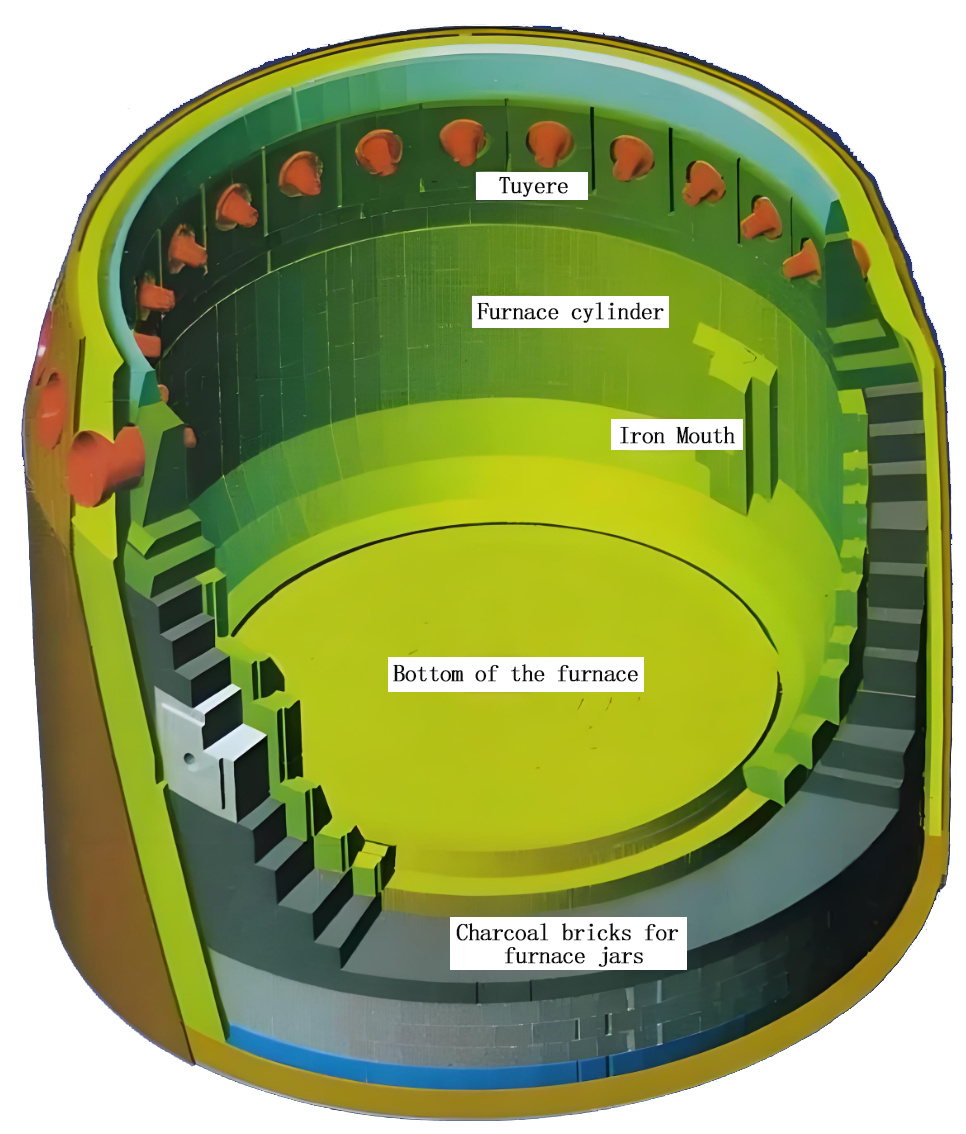
Burn-through of the hearth and bottom of the furnace is the most serious safety accident in blast furnace ironmaking production, which can cause significant loss of life and property to the enterprise and even terminate the production of the first generation of blast furnace service.
Analysis of the Erosion Mechanism of Blast Furnace Hearth and Bottom