
Common causes of lumps in lime kilns and their solutions
author: XINTAI
2025-07-30

Lime nodule
The formation of lime from limestone is a simple chemical reaction: during this reaction process, if the heat input is insufficient, resulting in a low temperature or a short reaction time, incomplete reaction will occur, that is, some limestone does not form lime, which is called underburning. Conversely, if too much heat is input, causing the temperature to be too high or the reaction time to be too long, overburning will occur. More severe overburning occurs when the lime is heated to a molten state (similar to magma), adhering to each other, or to the surrounding materials in their normal state, or sticking to the kiln walls, which is called lime nodulation.
Analysis of the causes of nodules and treatment measures
The common causes of lime kiln nodulation are as follows:
Excessive heat input and overly long calcination time have led to the formation of nodules.This nodulation is generally over-sintered, and treatment measures are to control the heat input.
(2) The fuel is overly concentrated and the calcination temperature is too high, exceeding the melting point of calcium carbonate.This kind of nodulation is often accompanied by raw burning. The treatment measures are to redistribute heat and distribute air reasonably.
(3) Raw material reasons.The amount of powder in the kiln stone material is too high or the fusible components are high (magnesium carbonate and iron and aluminum oxides). After burning to the molten state, it forms a gel, bonding other materials together, forming a large material block, and slowing down the material decline rate, eventually causing nodules. Nodules often present different colors depending on the composition of the fusible substances. The treatment measures are to prevent the raw materials from containing excessive fusible components, while improving the screening effect and reducing the amount of powder fed into the kiln.
(4) Fuel reasons.The material itself is not burnt to a molten state, and the impurities in the combustion (pulverized coal, gas, etc.) are burnt to a molten state (something similar to tar), which will also bind the material to each other and produce nodules. The treatment measure is to strictly control the fuel supply to prevent a large amount of impurities from entering the kiln.
Excessive heat input and overly long calcination time have led to the formation of nodules.This nodulation is generally over-sintered, and treatment measures are to control the heat input.
(2) The fuel is overly concentrated and the calcination temperature is too high, exceeding the melting point of calcium carbonate.This kind of nodulation is often accompanied by raw burning. The treatment measures are to redistribute heat and distribute air reasonably.
(3) Raw material reasons.The amount of powder in the kiln stone material is too high or the fusible components are high (magnesium carbonate and iron and aluminum oxides). After burning to the molten state, it forms a gel, bonding other materials together, forming a large material block, and slowing down the material decline rate, eventually causing nodules. Nodules often present different colors depending on the composition of the fusible substances. The treatment measures are to prevent the raw materials from containing excessive fusible components, while improving the screening effect and reducing the amount of powder fed into the kiln.
(4) Fuel reasons.The material itself is not burnt to a molten state, and the impurities in the combustion (pulverized coal, gas, etc.) are burnt to a molten state (something similar to tar), which will also bind the material to each other and produce nodules. The treatment measure is to strictly control the fuel supply to prevent a large amount of impurities from entering the kiln.
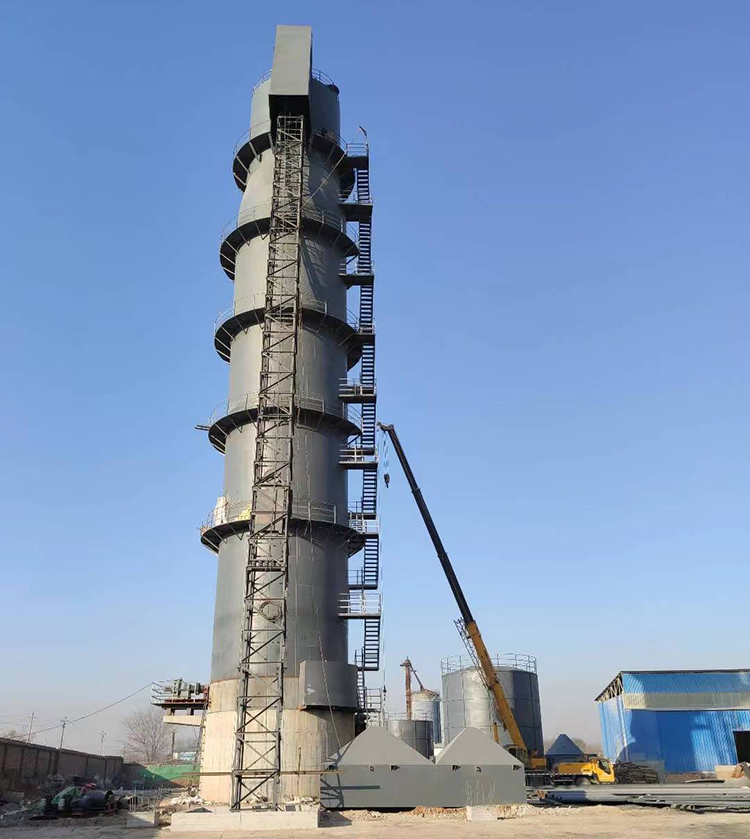
The key to nodulation is prevention, and the most fundamental is to strictly control the heat input and the quality of raw materials into the kiln.(1) The input and control of heat, the accurate calculation of the required heat, the precision of the measuring instruments, the reasonable distribution of heat and the length of the calcination zone are the key.
(2) The control of the quality of the stone materials entering the kiln focuses on the entry of fine materials into the kiln, avoiding excessive content of fluxes such as magnesium carbonate and iron and aluminum oxides. Screening must be thorough to prevent the entry of powder materials into the kiln.
(2) The control of the quality of the stone materials entering the kiln focuses on the entry of fine materials into the kiln, avoiding excessive content of fluxes such as magnesium carbonate and iron and aluminum oxides. Screening must be thorough to prevent the entry of powder materials into the kiln.
Factors affecting the service life of refractory materials used for electric furnace covers
Don't know how to build a kiln or furnace? This article is enough
Related Article

Refractory materials are the main building materials of glass melting furnaces, and they have a decisive impact on the quality of glass, energy consumption and even product costs. The development of glass melting technology largely depends on the advancement of refractory material manufacturing technology and the improvement of quality.
Selection of kiln type structure and lining refractory materials for glass melting furnaces

The cover of the electric furnace is a spherical structure with electrode holes and smoke exhaust holes. The outer ring part is called the main furnace cover, and the middle part is called the small furnace cover (also known as the triangular area). When loading materials, the furnace cover can be moved away.
Factors affecting the service life of refractory materials used for electric furnace covers

A kiln is a space capable of generating high temperatures, and the materials that make up this space are called kiln construction materials. The construction materials should include two major categories: refractory materials and thermal insulation materials (or heat insulation materials). In addition, to enhance the structural strength of the kiln body, the materials used for furnace construction should also include common building materials (such as ash bricks, etc.) and metal materials, etc.
Don't know how to build a kiln or furnace? This article is enough
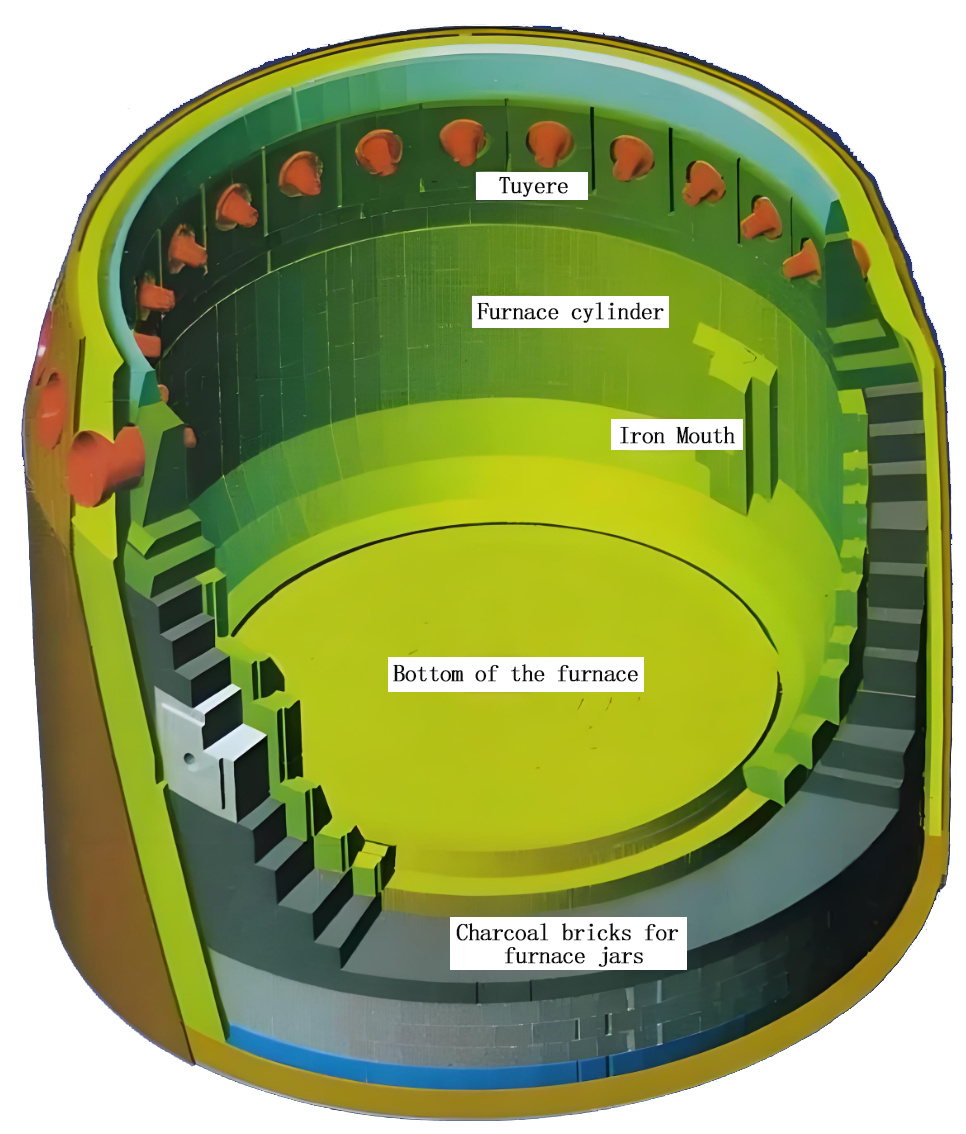
Burn-through of the hearth and bottom of the furnace is the most serious safety accident in blast furnace ironmaking production, which can cause significant loss of life and property to the enterprise and even terminate the production of the first generation of blast furnace service.
Analysis of the Erosion Mechanism of Blast Furnace Hearth and Bottom