
Don't know how to build a kiln or furnace? This article is enough
author: XINTAI
2025-07-15

From the perspective of thermal kilns, our focus should be on how to correctly and reasonably select refractory materials, insulation materials and other furnace construction materials for various thermal kilns, so as to ensure that the kilns are not only durable and reasonably priced, but also reduce the cost of the firing process. In the inorganic non-metallic materials industry, due to the diverse types and requirements of different industries for roasting, the selected thermal kilns and furnaces are bound to vary, and thus the materials used for furnace construction also differ significantly.
The commonly used refractory materials for cement kilns include clay bricks, high alumina bricks, magnesia products and castables, etc. Silica bricks and fused zirconia corundum bricks are commonly used in glass kilns.
The types of refractory materials and insulating materials used in industrial furnaces for ceramics and refractory materials are quite extensive.
For other thermal equipment with relatively lower firing temperatures, the commonly used refractory materials are low-cost clay bricks, etc.
Of course, choosing the appropriate construction materials for a specific industrial kiln is a rather complex and meticulous task. It is necessary to determine the required temperature, pressure, atmosphere and corrosion resistance for different parts or stages of the kiln based on the requirements of the products to be fired, and select the most suitable materials to truly achieve the best use of resources, take the strengths of each, and have a reasonable cost, etc.
The commonly used refractory materials for cement kilns include clay bricks, high alumina bricks, magnesia products and castables, etc. Silica bricks and fused zirconia corundum bricks are commonly used in glass kilns.
The types of refractory materials and insulating materials used in industrial furnaces for ceramics and refractory materials are quite extensive.
For other thermal equipment with relatively lower firing temperatures, the commonly used refractory materials are low-cost clay bricks, etc.
Of course, choosing the appropriate construction materials for a specific industrial kiln is a rather complex and meticulous task. It is necessary to determine the required temperature, pressure, atmosphere and corrosion resistance for different parts or stages of the kiln based on the requirements of the products to be fired, and select the most suitable materials to truly achieve the best use of resources, take the strengths of each, and have a reasonable cost, etc.
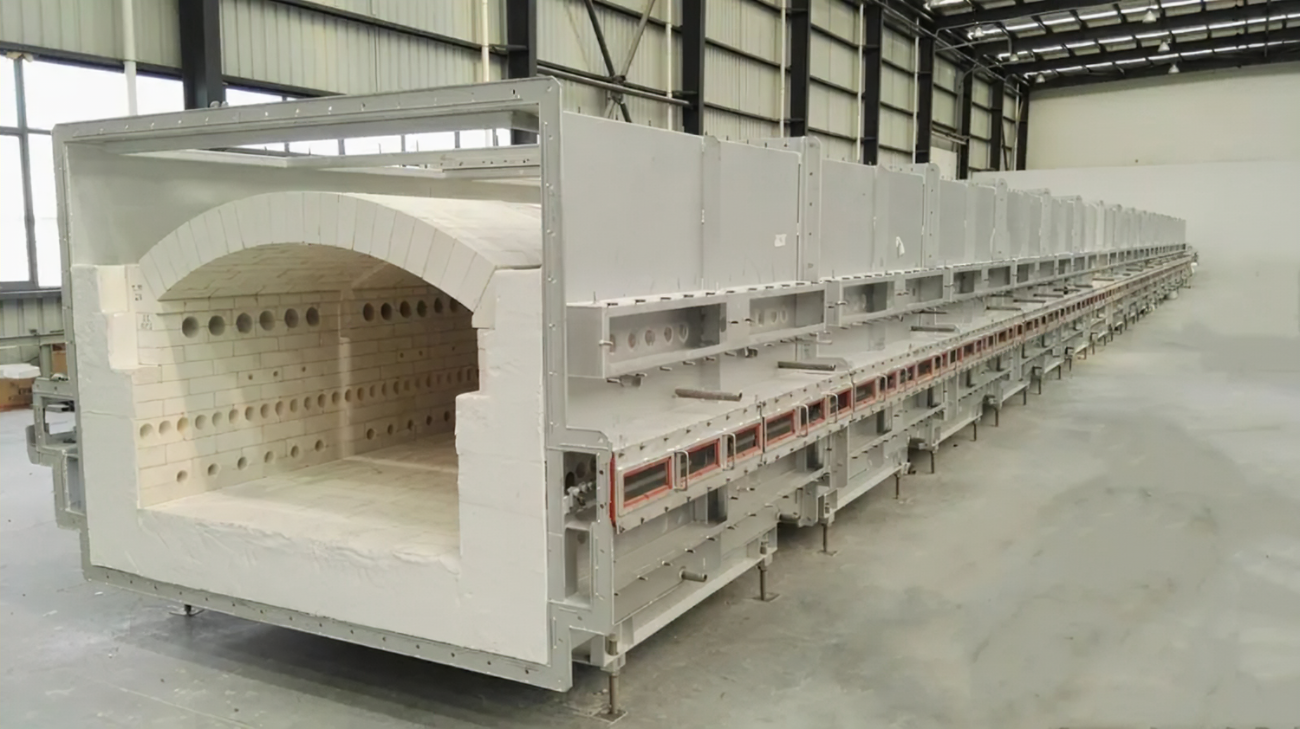
In recent years, with the emergence of new refractory materials and insulation materials. Nowadays, the structure of the container furnace is also developing towards being lightweight, having more durable heat preservation, and being easier and more convenient to install and unload. This is an inevitable trend of technological progress. For instance, in the ceramic industry, the emergence of lightweight insulating refractory bricks and high-quality refractory fiber products has completely transformed the traditional phenomenon of dull firing in kilns, making them both lightweight and energy-efficient. At present, lightweight refractory brick ceramic kilns and all-refractory fiber ceramic kilns have become an important symbol of modern ceramic kilns.
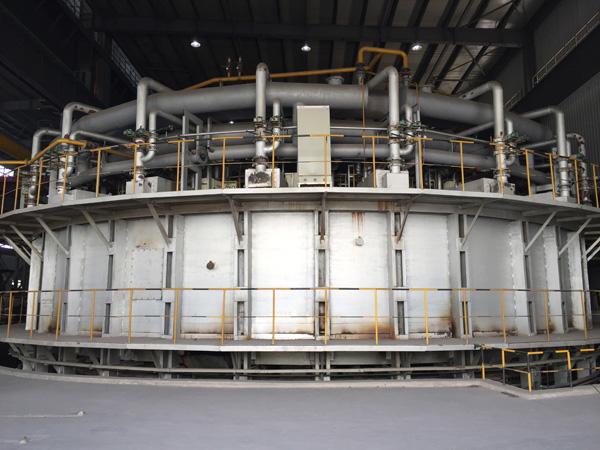
Since a kiln is a structural space that generates high temperatures to produce qualified new products, it is a special building structure. This means that its masonry, in addition to complying with general building codes, also needs to conform to some special furnace construction codes and requirements. For instance, the inner lining mortar joints and expansion joints should be reserved as per regulations. There should be corresponding clamping structures for the kiln body. For wet-laid kilns, suitable refractory mortars should be selected, etc. Generally speaking, kilns should be constructed by qualified professional kiln-building teams and supervised by qualified management personnel. At the end of the construction, a dedicated team should be organized to conduct inspections and acceptance in accordance with relevant standards and norms. Only after passing the acceptance can they be put into use.
For newly built thermal kilns, the masonry usually contains a considerable amount of moisture. As the kiln is heated and its temperature rises, this moisture will be expelled, and the volume of the masonry will shrink. In addition, some refractory materials (such as silica bricks, etc.) will also undergo crystal form transformation within certain temperature ranges, accompanied by volume changes. The production process is heated at the rate required for the product to be baked.
For kilns, this heating rate is difficult to precisely adapt to the aforementioned volume changes of refractory masonry, thereby causing significant stress within the aforementioned masonry. If its stress exceeds the maximum stress that the furnace construction material can withstand, it will cause the entire masonry to be damaged. Therefore, before a newly built kiln is officially put into operation, it is necessary to formulate a kiln drying plan and drying curve in accordance with relevant regulations, and then bake it to remove the moisture in the masonry and complete the corresponding crystal form transformation, so as to ensure the safe and stable production of the kiln.
For newly built thermal kilns, the masonry usually contains a considerable amount of moisture. As the kiln is heated and its temperature rises, this moisture will be expelled, and the volume of the masonry will shrink. In addition, some refractory materials (such as silica bricks, etc.) will also undergo crystal form transformation within certain temperature ranges, accompanied by volume changes. The production process is heated at the rate required for the product to be baked.
For kilns, this heating rate is difficult to precisely adapt to the aforementioned volume changes of refractory masonry, thereby causing significant stress within the aforementioned masonry. If its stress exceeds the maximum stress that the furnace construction material can withstand, it will cause the entire masonry to be damaged. Therefore, before a newly built kiln is officially put into operation, it is necessary to formulate a kiln drying plan and drying curve in accordance with relevant regulations, and then bake it to remove the moisture in the masonry and complete the corresponding crystal form transformation, so as to ensure the safe and stable production of the kiln.
Common causes of lumps in lime kilns and their solutions
Analysis of the Erosion Mechanism of Blast Furnace Hearth and Bottom
Related Article

Refractory materials are the main building materials of glass melting furnaces, and they have a decisive impact on the quality of glass, energy consumption and even product costs. The development of glass melting technology largely depends on the advancement of refractory material manufacturing technology and the improvement of quality.
Selection of kiln type structure and lining refractory materials for glass melting furnaces

The cover of the electric furnace is a spherical structure with electrode holes and smoke exhaust holes. The outer ring part is called the main furnace cover, and the middle part is called the small furnace cover (also known as the triangular area). When loading materials, the furnace cover can be moved away.
Factors affecting the service life of refractory materials used for electric furnace covers

Overburning and lumping are common phenomena in the lime production process. They not only affect product quality but, in severe cases, can have a fatal impact on the production process, refractory materials of the kiln body and other equipment. This article analyzes the causes of overburning and tumor formation, general treatment methods for tumor formation, and preventive measures, effectively avoiding the occurrence of tumor formation.
Common causes of lumps in lime kilns and their solutions
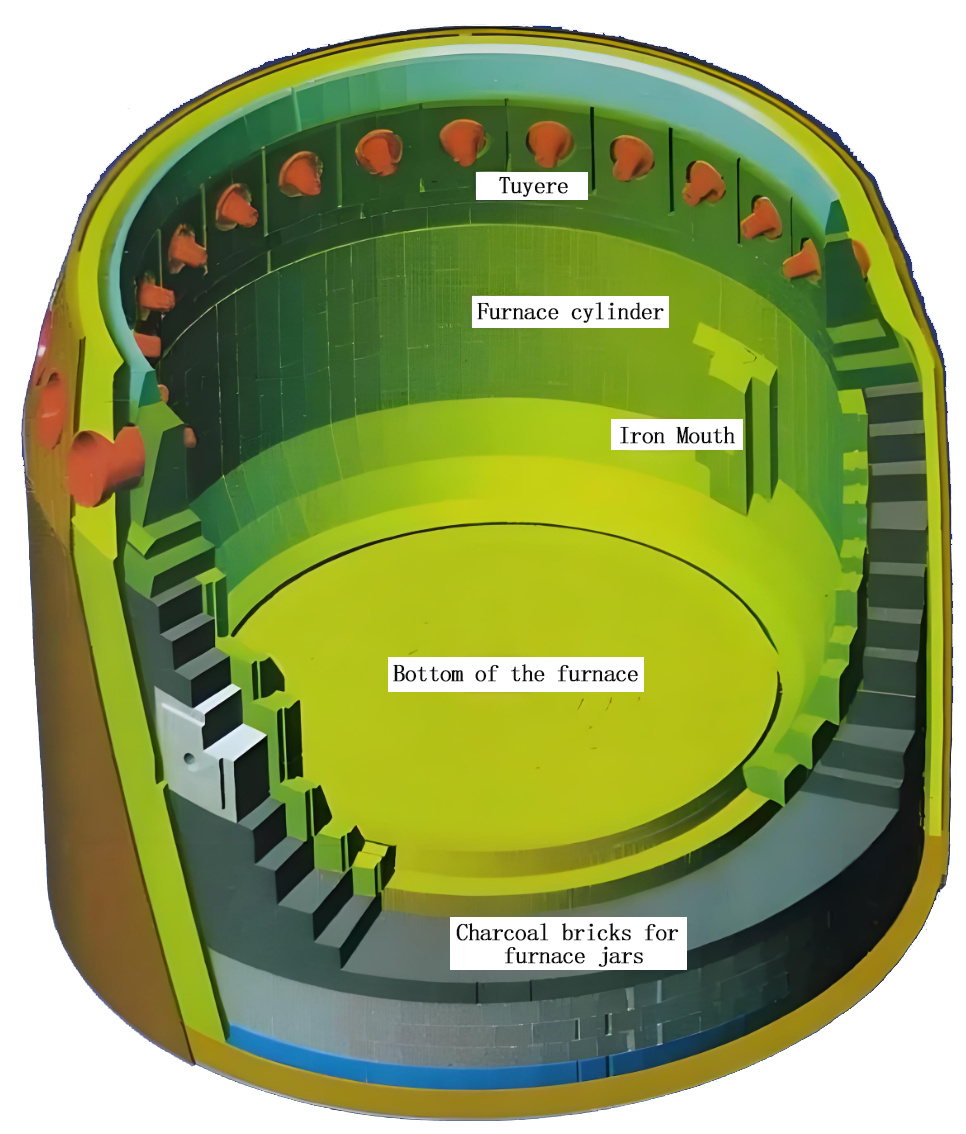
Burn-through of the hearth and bottom of the furnace is the most serious safety accident in blast furnace ironmaking production, which can cause significant loss of life and property to the enterprise and even terminate the production of the first generation of blast furnace service.
Analysis of the Erosion Mechanism of Blast Furnace Hearth and Bottom