
Conditions of use and construction process of refractory materials for steel ladles
author: Archie
2025-05-07
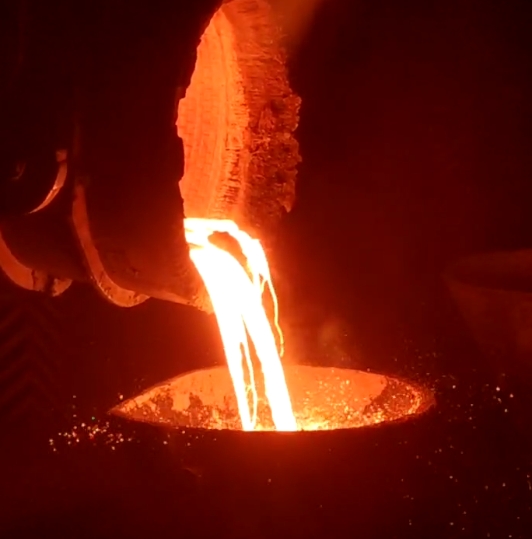
1、Steel ladle
Steel ladle is a major user of refractories. Steel ladle refractories are affected by the following destructive factors.
Steel ladle is a major user of refractories. Steel ladle refractories are affected by the following destructive factors.
(I) Conditions of use
(1) It is subjected to thermal and chemical action of steel and slag at a temperature of 1530~1700℃.
(2) When loaded as well as unloaded and emptied, the steel packages are heated and cooled sharply with a temperature difference of 800~1350℃.
(3) When loaded, it is subjected to the mechanical impact and abrasive action of the generally molten metal and slag stream.
(4) Hydrodynamic action of steel and slag.
Damage to the ladle lining is determined by the period of filling into the molten steel, the time and amount of molten steel entering the ladle, the slag composition and the thickness of the slag layer. Generally, the period of pouring steel into the steel in the bag to stay between 30~150min fluctuations, while the slag layer thickness reaches 300mm.
(1) It is subjected to thermal and chemical action of steel and slag at a temperature of 1530~1700℃.
(2) When loaded as well as unloaded and emptied, the steel packages are heated and cooled sharply with a temperature difference of 800~1350℃.
(3) When loaded, it is subjected to the mechanical impact and abrasive action of the generally molten metal and slag stream.
(4) Hydrodynamic action of steel and slag.
Damage to the ladle lining is determined by the period of filling into the molten steel, the time and amount of molten steel entering the ladle, the slag composition and the thickness of the slag layer. Generally, the period of pouring steel into the steel in the bag to stay between 30~150min fluctuations, while the slag layer thickness reaches 300mm.
(ii) Lining construction method and refractory materials
As in the case of ladle masonry with small pieces of products (ladle bricks), the entire ladle is cast with castable materials of various compositions. Ladle brick masonry implementation of spiral and stepped masonry (Figure 11-8). 300t ladle lower masonry thickness of 200mm, while the upper 90mm ❶. In the past, ladle bricks were usually built with clay bricks, and the life of the bricks depended mainly on the conditions of use. The unit consumption of ladle bricks is about 6kg/t for pouring flat and converter steel and about 11kg/t for electric furnace steel, indicating that the lining life is related to the type of steel being poured.
As in the case of ladle masonry with small pieces of products (ladle bricks), the entire ladle is cast with castable materials of various compositions. Ladle brick masonry implementation of spiral and stepped masonry (Figure 11-8). 300t ladle lower masonry thickness of 200mm, while the upper 90mm ❶. In the past, ladle bricks were usually built with clay bricks, and the life of the bricks depended mainly on the conditions of use. The unit consumption of ladle bricks is about 6kg/t for pouring flat and converter steel and about 11kg/t for electric furnace steel, indicating that the lining life is related to the type of steel being poured.

Refining ladles need to know this when choosing breathable bricks
Analysis of factors affecting the performance of permeable bricks and optimisation measures
Related Article
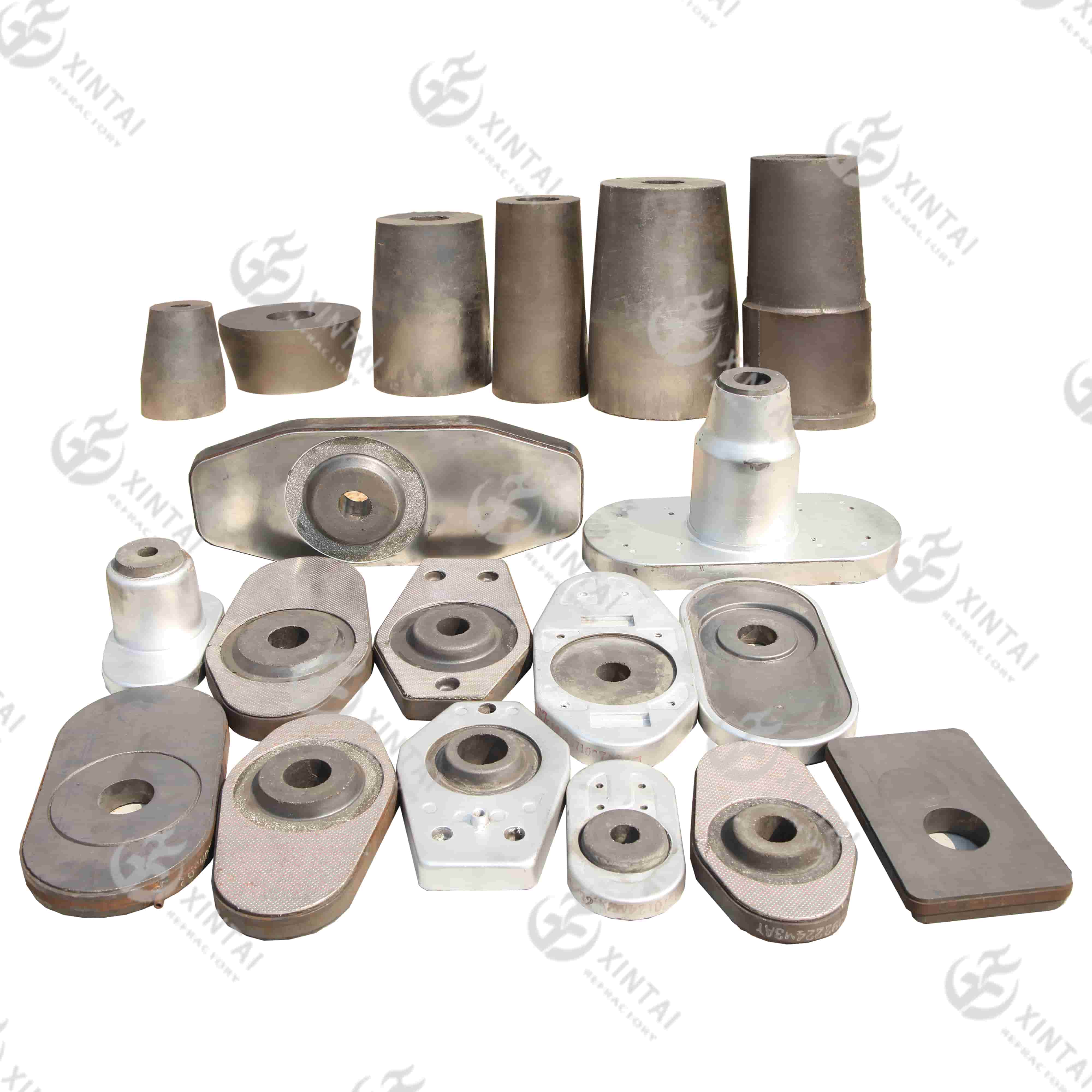
Understanding the erosion mechanisms that cost steel mills millions annually
The Hidden Battle: Why Your Slide Gate Plates Fail Prematurely in Steel Casting

Some common situations, causes and preventive measures of steel penetration, seepage and leakage in ladle sliding plates
Some common situations, causes and preventive measures of steel ladles
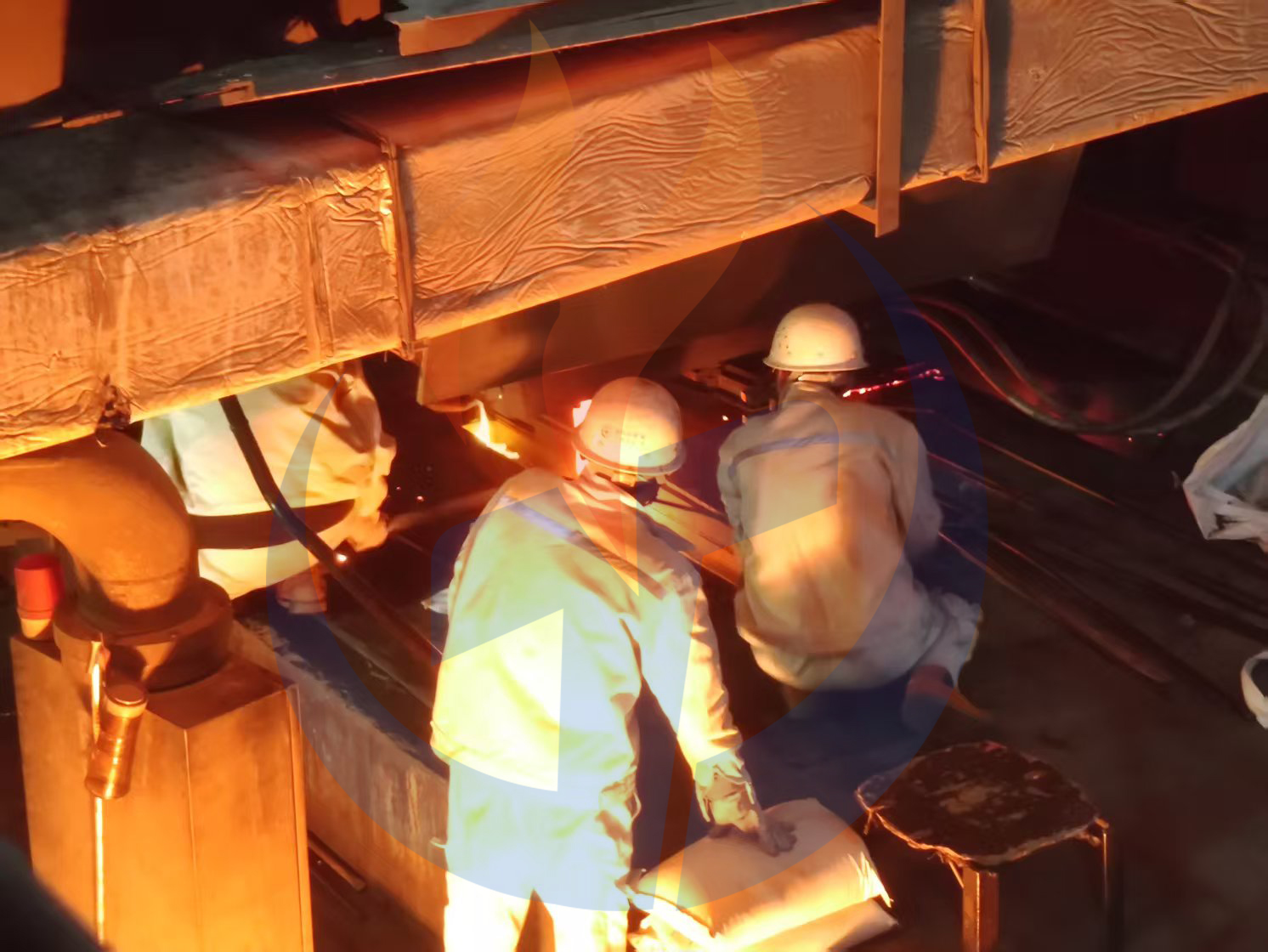
The tundish is a device used for the transition of molten steel between the molten steel ladle and the mold. The tundish plays a role of "connecting the upper and lower parts" after receiving the molten steel flowing into the continuous casting ladle. Its installation position is shown in the figure
What is the function of the tundish?

With the large-scale development of continuous casting equipment, the amount of steel passing through the unit in the long spout has gradually increased, from less than 1t/min originally to more than 7t/min at present. The increase in the amount of steel passing through per unit time has caused a sharp erosion of the inner wall. Therefore, the erosion of the inner wall has become the decisive factor for the long service life of the water outlet.
The main factors affecting the service life of long spouts and the ways to improve their service life