
Causes of damage to permeable tiles
author: Archie
2025-03-14
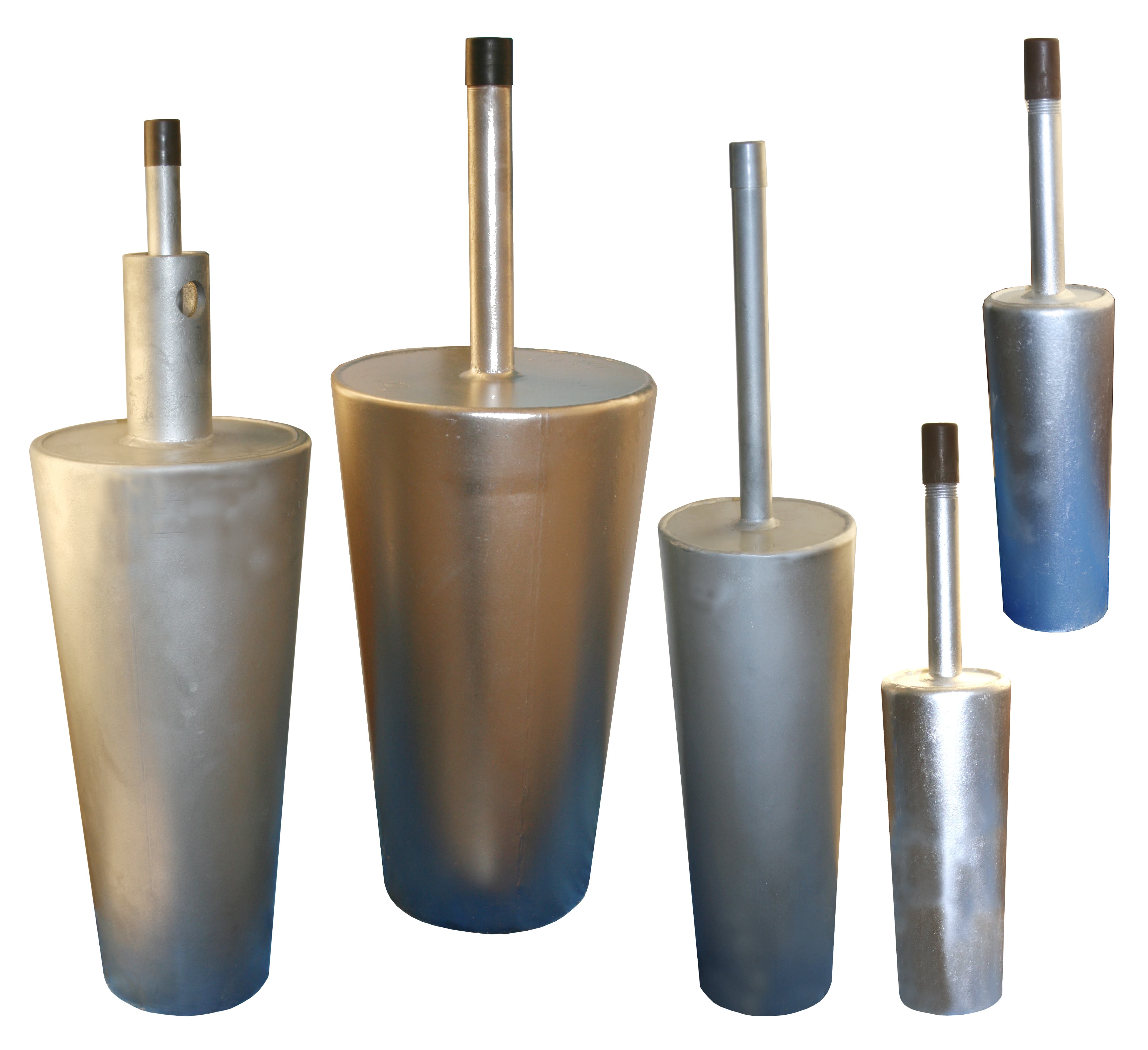
Based on the working environment of breathable bricks, their working process will be affected by the following aspects, and damage will occur.
1. The role of thermal stress
Before the use of ladle baking to 1100 ℃ or so, converter steel temperature up to 1640 ~ 1700 ℃, after pouring steel ladle temperature drops to 800 ℃ or so. Breathable brick work surface refractory, especially around the air outlet refractory, and high-temperature steel direct contact, by high-temperature steel and constantly out of the cold airflow, resulting in a huge temperature gradient, so that the breathable brick by the rapid cold and hot effect and produce a large thermal stress, many times after the use of the breathable brick spalling.
Before the use of ladle baking to 1100 ℃ or so, converter steel temperature up to 1640 ~ 1700 ℃, after pouring steel ladle temperature drops to 800 ℃ or so. Breathable brick work surface refractory, especially around the air outlet refractory, and high-temperature steel direct contact, by high-temperature steel and constantly out of the cold airflow, resulting in a huge temperature gradient, so that the breathable brick by the rapid cold and hot effect and produce a large thermal stress, many times after the use of the breathable brick spalling.
2. Mechanical wear and tear
Breathable brick blowing argon in the process, high-speed airflow and flow of steel interaction to form the volume of flow, the breathable brick is higher than the seat of the brick protruding parts of the impact force, resulting in scouring and shear stress. In addition, out of steel in the process of steel strong scouring the bottom of the steel tank, will also cause strong wear and tear, accelerate the destruction of permeable brick.
Breathable brick blowing argon in the process, high-speed airflow and flow of steel interaction to form the volume of flow, the breathable brick is higher than the seat of the brick protruding parts of the impact force, resulting in scouring and shear stress. In addition, out of steel in the process of steel strong scouring the bottom of the steel tank, will also cause strong wear and tear, accelerate the destruction of permeable brick.
3. Chemical erosion
Ventilated brick in the whole service process, its working surface and steel, slag long time contact, will react with steel or slag in the oxides, generated FeO-Al₂O₃, 2(MnO)-SiO₂-Al₂O₃, 12CaO-7Al₂O₃ and other low-melting material by the gas stream and erosion of the ventilated brick is caused. The penetration and erosion effects of steel and slag liquids are one of the important reasons for the destruction of permeable bricks.
Ventilated brick in the whole service process, its working surface and steel, slag long time contact, will react with steel or slag in the oxides, generated FeO-Al₂O₃, 2(MnO)-SiO₂-Al₂O₃, 12CaO-7Al₂O₃ and other low-melting material by the gas stream and erosion of the ventilated brick is caused. The penetration and erosion effects of steel and slag liquids are one of the important reasons for the destruction of permeable bricks.
4. Mechanical stress
Due to the direct contact with high temperature steel through, breathable brick working surface temperature is high, non-working surface temperature is relatively low. In the ladle receive steel → refining → casting → hot repair → receive steel cycle process, the temperature of the ladle has been changing, so the breathable brick working surface and non-working surface there is a temperature gradient, the existence of the temperature gradient and the material metamorphic layer and the expansion coefficient of the original layer is different, each layer of the volume change is different, which produces a shear force on the breathable bricks, the breathable bricks produce transverse cracks, resulting in transverse fracture phenomenon occurs, resulting in the breathable brick damage. The damage to the permeable bricks is caused by transverse cracks, resulting in transverse fracture.
Due to the direct contact with high temperature steel through, breathable brick working surface temperature is high, non-working surface temperature is relatively low. In the ladle receive steel → refining → casting → hot repair → receive steel cycle process, the temperature of the ladle has been changing, so the breathable brick working surface and non-working surface there is a temperature gradient, the existence of the temperature gradient and the material metamorphic layer and the expansion coefficient of the original layer is different, each layer of the volume change is different, which produces a shear force on the breathable bricks, the breathable bricks produce transverse cracks, resulting in transverse fracture phenomenon occurs, resulting in the breathable brick damage. The damage to the permeable bricks is caused by transverse cracks, resulting in transverse fracture.
5. Oxygen cleaning
Breathable brick in the receiving steel → blowing refining → pouring steel → pouring slag → oxygen cleaning cycle in the process of use, steel or slag liquid will penetrate into its slit or thermal stress caused by cracks, resulting in breathable brick slit blockage, so the end of pouring steel pouring steel slag, the need for breathable bricks for burning oxygen cleaning. Due to the high temperature flame directly burning permeable brick surface, steel slag will react with permeable brick material to generate a low melting point phase, resulting in the formation of permeable brick melting depression. The main reason for the frequent replacement of breathable bricks is that the slits in the bricks catch steel and blow open during the use of the bricks.
Breathable brick in the receiving steel → blowing refining → pouring steel → pouring slag → oxygen cleaning cycle in the process of use, steel or slag liquid will penetrate into its slit or thermal stress caused by cracks, resulting in breathable brick slit blockage, so the end of pouring steel pouring steel slag, the need for breathable bricks for burning oxygen cleaning. Due to the high temperature flame directly burning permeable brick surface, steel slag will react with permeable brick material to generate a low melting point phase, resulting in the formation of permeable brick melting depression. The main reason for the frequent replacement of breathable bricks is that the slits in the bricks catch steel and blow open during the use of the bricks.

In general, the thermal stress caused by the huge temperature difference of the ladle in the process of cyclic use of thermal shock impact on the permeable bricks, refining process permeable bricks to withstand the high-speed airflow and liquid steel caused by the scouring and thermal shock damage is the main cause of the ladle permeable bricks damage. With the large-scale ladle and smelting temperature increase and smelting time prolongation, its use of the environment is more and more harsh, the requirements of the material has a better use of performance and longer life. The thermal shock resistance of the material is an important factor affecting its life, the cracks produced by thermal shock provide a channel for the penetration and erosion of steel and slag, and the residual steel or slag in the cracks will accelerate the structural spalling and destruction of the material in the process of cyclic use, reducing its service life. Thermal stresses cause transverse cracks in permeable bricks, leading to transverse fracture is also a major cause of permeable brick damage. Due to the special location and service environment of the permeable bricks in the ladle, their blowing success and life have become the key factors limiting the improvement of ladle life.
Therefore, improving the thermal shock resistance of the material has a contributory effect on the life of permeable bricks and is well worth an in-depth and systematic study.

Impact of ladle downspouts on the steelmaking industry
The tundish is a transitional device that connects the steel ladle and the mold
Related Article
Understanding the erosion mechanisms that cost steel mills millions annually
The Hidden Battle: Why Your Slide Gate Plates Fail Prematurely in Steel Casting

Some common situations, causes and preventive measures of steel penetration, seepage and leakage in ladle sliding plates
Some common situations, causes and preventive measures of steel ladles
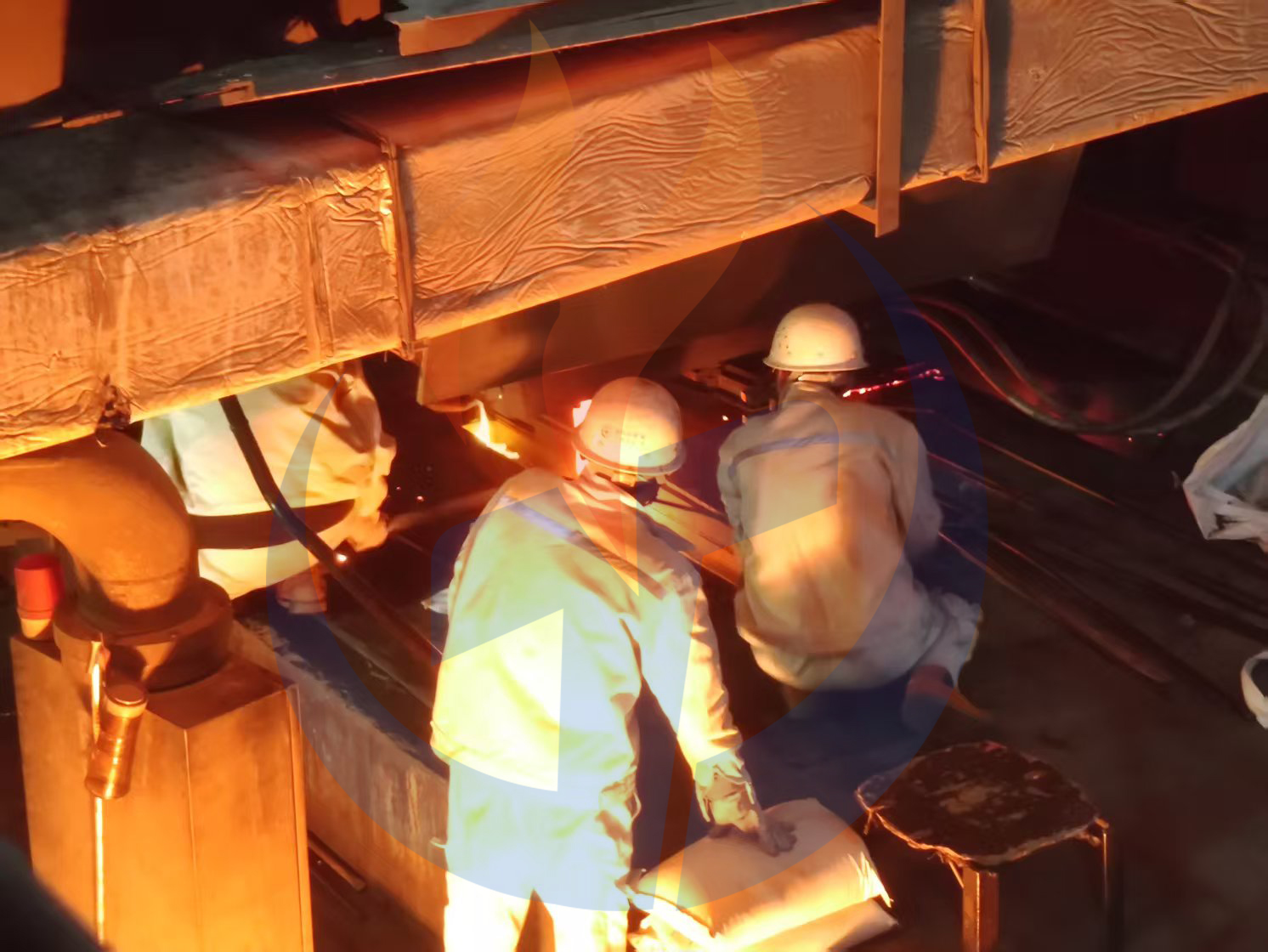
The tundish is a device used for the transition of molten steel between the molten steel ladle and the mold. The tundish plays a role of "connecting the upper and lower parts" after receiving the molten steel flowing into the continuous casting ladle. Its installation position is shown in the figure
What is the function of the tundish?

With the large-scale development of continuous casting equipment, the amount of steel passing through the unit in the long spout has gradually increased, from less than 1t/min originally to more than 7t/min at present. The increase in the amount of steel passing through per unit time has caused a sharp erosion of the inner wall. Therefore, the erosion of the inner wall has become the decisive factor for the long service life of the water outlet.
The main factors affecting the service life of long spouts and the ways to improve their service life