
Refractories for iron ladle linings can't be destroyed without these 6 factors
author: XINTAI
2025-06-11

1. Mechanical damage to the lining refractory material when iron is discharged from the blast furnace
Iron from the blast furnace to the iron ladle, first of all, will be directly on the iron ladle bottom and sidewall refractory materials for impact and scouring; Secondly, iron to the iron ladle dumping process, will cause the iron in the iron tank flow, so as to scour and wear lining refractory materials. In the process of iron out of the blast furnace, the most serious damage to the bottom of the iron tank with refractory materials.
2. Thermal damage caused by temperature changes in the recycling of ferrocement tanks
Iron ladle as a tool for the transportation of iron, it mainly undergoes several processes:
(1) Blast furnace iron, this time the temperature of the refractory lining surface of the pot of iron and water is about 1550 ~ 1650 ° C; (2) Midway operation, then the temperature of the refractory lining surface of the pot of iron and water is about 1400 ~ 1500 ° C.
(2) midway operation, the temperature of the refractory lined surface of the tank is about 1400 ~ 1500 ℃; (3) empty, the refractory lined surface of the tank is about 1400 ~ 1500 ℃.
(3) Empty tanks, molten iron ladles in the process of returning to the surface temperature of the refractory lining is about 800 ~ 1200 ° C.
(4) blast furnace out of iron, molten iron ladle lined with refractory surface temperature is about 1550 ~ 1650 ℃; so the cycle is repeated.
In the cycle process, the iron water tank mainly experienced two aspects of the damage: on the one hand, the iron water tank in the cycle of the process, the lining refractory repeatedly subjected to thermal stress due to temperature changes caused by the role of the refractory lining, resulting in the occurrence of flaking refractory, resulting in the loss of damage. On the other hand, when the tank is empty, the carbon-containing refractory lining comes into direct contact with the air and is prone to oxidization, which leads to the loose structure of the refractory products, resulting in damage.
(1) Blast furnace iron, this time the temperature of the refractory lining surface of the pot of iron and water is about 1550 ~ 1650 ° C; (2) Midway operation, then the temperature of the refractory lining surface of the pot of iron and water is about 1400 ~ 1500 ° C.
(2) midway operation, the temperature of the refractory lined surface of the tank is about 1400 ~ 1500 ℃; (3) empty, the refractory lined surface of the tank is about 1400 ~ 1500 ℃.
(3) Empty tanks, molten iron ladles in the process of returning to the surface temperature of the refractory lining is about 800 ~ 1200 ° C.
(4) blast furnace out of iron, molten iron ladle lined with refractory surface temperature is about 1550 ~ 1650 ℃; so the cycle is repeated.
In the cycle process, the iron water tank mainly experienced two aspects of the damage: on the one hand, the iron water tank in the cycle of the process, the lining refractory repeatedly subjected to thermal stress due to temperature changes caused by the role of the refractory lining, resulting in the occurrence of flaking refractory, resulting in the loss of damage. On the other hand, when the tank is empty, the carbon-containing refractory lining comes into direct contact with the air and is prone to oxidization, which leads to the loose structure of the refractory products, resulting in damage.
3. Structural damage caused by the desulphurization process
Some steel mills choose to carry out desulfurization in the molten iron ladles. At this stage, on the one hand, the blowing of desulfurizing agent by the desulfurizing gun produces molten iron flow, which causes wear and tear on the bottom and side walls of the tanks; on the other hand, there is structural damage caused by the erosive infiltration of the desulfurizing agent into the refractory materials. In the process of desulfurization, steel mills generally choose CaO-CaF-CaC2 alkaline materials for desulfurization, these alkaline materials will increase the alkalinity of the molten iron and slag, thus increasing the erosion and penetration of the refractory materials used for the inner lining of the tanks, resulting in the destruction of the inner lining of the refractory materials.

4. Damage caused by iron water flowing into brick joints
With the increase in the number of transportation, slag on the iron water tank lining refractory erosion is more and more serious, iron water tank working layer gradually thin, brick and brick gaps also become bigger and bigger. On the one hand, the iron water penetrates to the back of the working layer through the gap between bricks, eroding the protective layer and reducing the service life of the refractory lining of the iron water tank; on the other hand, the iron water flows to the back of the working layer to form a large area of the drilling iron layer, topping the working layer with bricks, and the working layer is impacted and flushed in the process of desulphurization and iron discharge, resulting in the dislodging of the working layer and reducing the service life of the iron water tank.
5. Damage caused in the process of slagging and iron picking
iron ladle in the process of conveying iron, iron temperature drop is too large, iron and slag consistency increases, resulting in the iron is not complete, sticky slag and sticky iron. In order to ensure the capacity of the iron ladle, steel mills usually use slag removing machine in addition to slag in addition to iron, in addition to slag in addition to iron in the process, it will cause the refractory working layer wear and tear or fall off, especially sticky slag is more serious, the brick gap is larger, the brick cracks and the back of the brick drilling iron in the case of the brick is more likely to be due to the slag gouging and iron and fall off the bricks, which increases the number of maintenance of the iron tank, reducing the service life of the iron tank.
iron ladle in the process of conveying iron, iron temperature drop is too large, iron and slag consistency increases, resulting in the iron is not complete, sticky slag and sticky iron. In order to ensure the capacity of the iron ladle, steel mills usually use slag removing machine in addition to slag in addition to iron, in addition to slag in addition to iron in the process, it will cause the refractory working layer wear and tear or fall off, especially sticky slag is more serious, the brick gap is larger, the brick cracks and the back of the brick drilling iron in the case of the brick is more likely to be due to the slag gouging and iron and fall off the bricks, which increases the number of maintenance of the iron tank, reducing the service life of the iron tank.
6. liner selection basis
By analyzing the way of damage to the inner lining of iron water tanks, the refractory materials for lining iron water tanks should have the following properties:
(1) refractory materials for lining iron water tanks should first have a certain room temperature strength to meet the construction performance and transportation.
(2) iron water tank lining refractory materials, especially the bottom of the refractory material to have a certain high-temperature flexural strength to meet the iron on the lining of the refractory material of the scouring and impact.
(3) The refractory material used for lining the iron water tank if the choice of C-containing refractory material should also have good oxidation resistance, in order to prevent the oxidation of C in the process of transportation of empty tanks, resulting in the structure of the refractory material products loose, resulting in damage.
(4) iron water tank refractories also have good resistance to slag erosion and infiltration performance, thus preventing iron drilling and erosion of iron water tank permanent layer of refractory materials, to ensure that the tank capacity of iron water tanks and improve the service life of refractory materials.
By analyzing the way of damage to the inner lining of iron water tanks, the refractory materials for lining iron water tanks should have the following properties:
(1) refractory materials for lining iron water tanks should first have a certain room temperature strength to meet the construction performance and transportation.
(2) iron water tank lining refractory materials, especially the bottom of the refractory material to have a certain high-temperature flexural strength to meet the iron on the lining of the refractory material of the scouring and impact.
(3) The refractory material used for lining the iron water tank if the choice of C-containing refractory material should also have good oxidation resistance, in order to prevent the oxidation of C in the process of transportation of empty tanks, resulting in the structure of the refractory material products loose, resulting in damage.
(4) iron water tank refractories also have good resistance to slag erosion and infiltration performance, thus preventing iron drilling and erosion of iron water tank permanent layer of refractory materials, to ensure that the tank capacity of iron water tanks and improve the service life of refractory materials.
The main factors affecting the service life of long spouts and the ways to improve their service life
Impact of the change in function of the ladle on the refractory material
Related Article
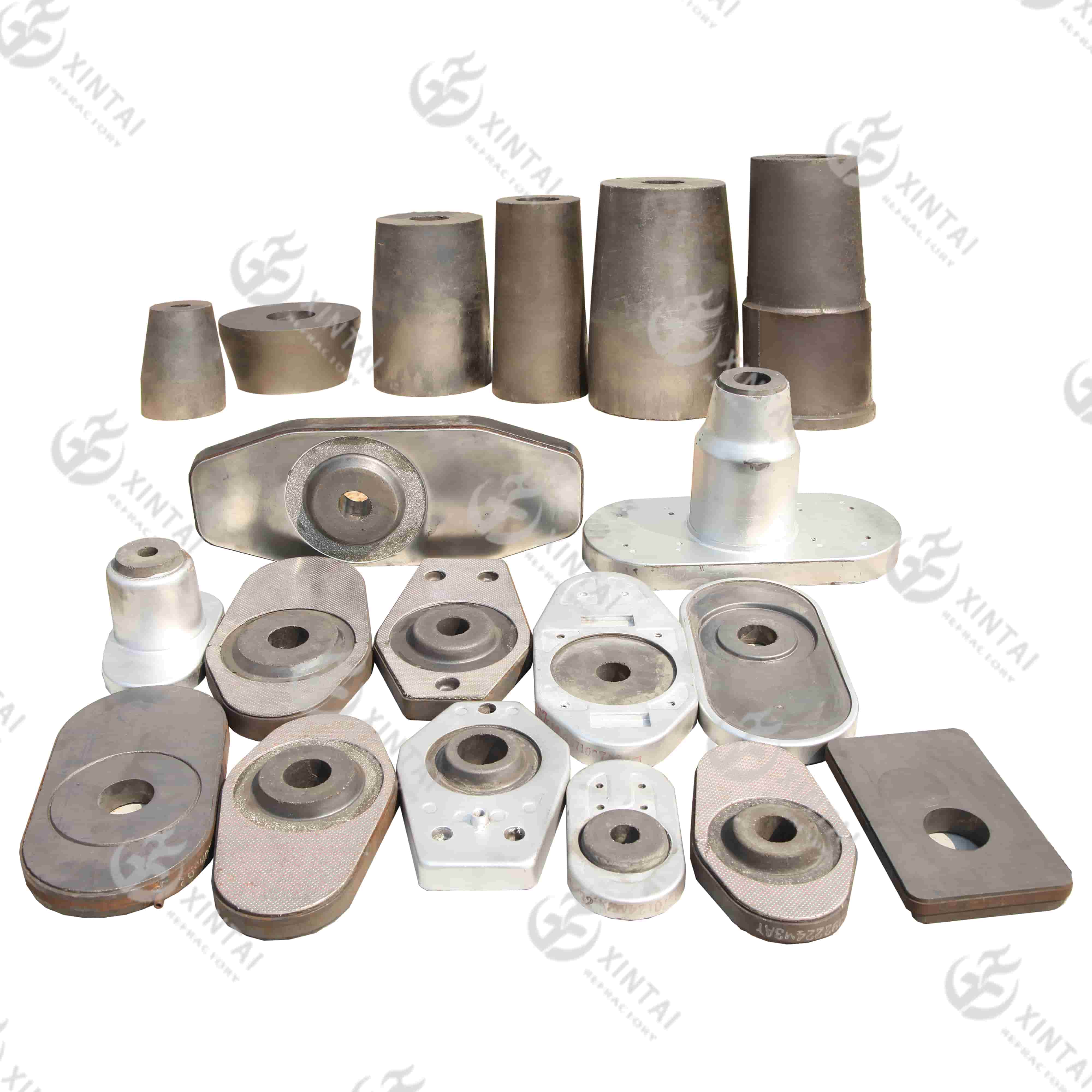
Understanding the erosion mechanisms that cost steel mills millions annually
The Hidden Battle: Why Your Slide Gate Plates Fail Prematurely in Steel Casting

Some common situations, causes and preventive measures of steel penetration, seepage and leakage in ladle sliding plates
Some common situations, causes and preventive measures of steel ladles
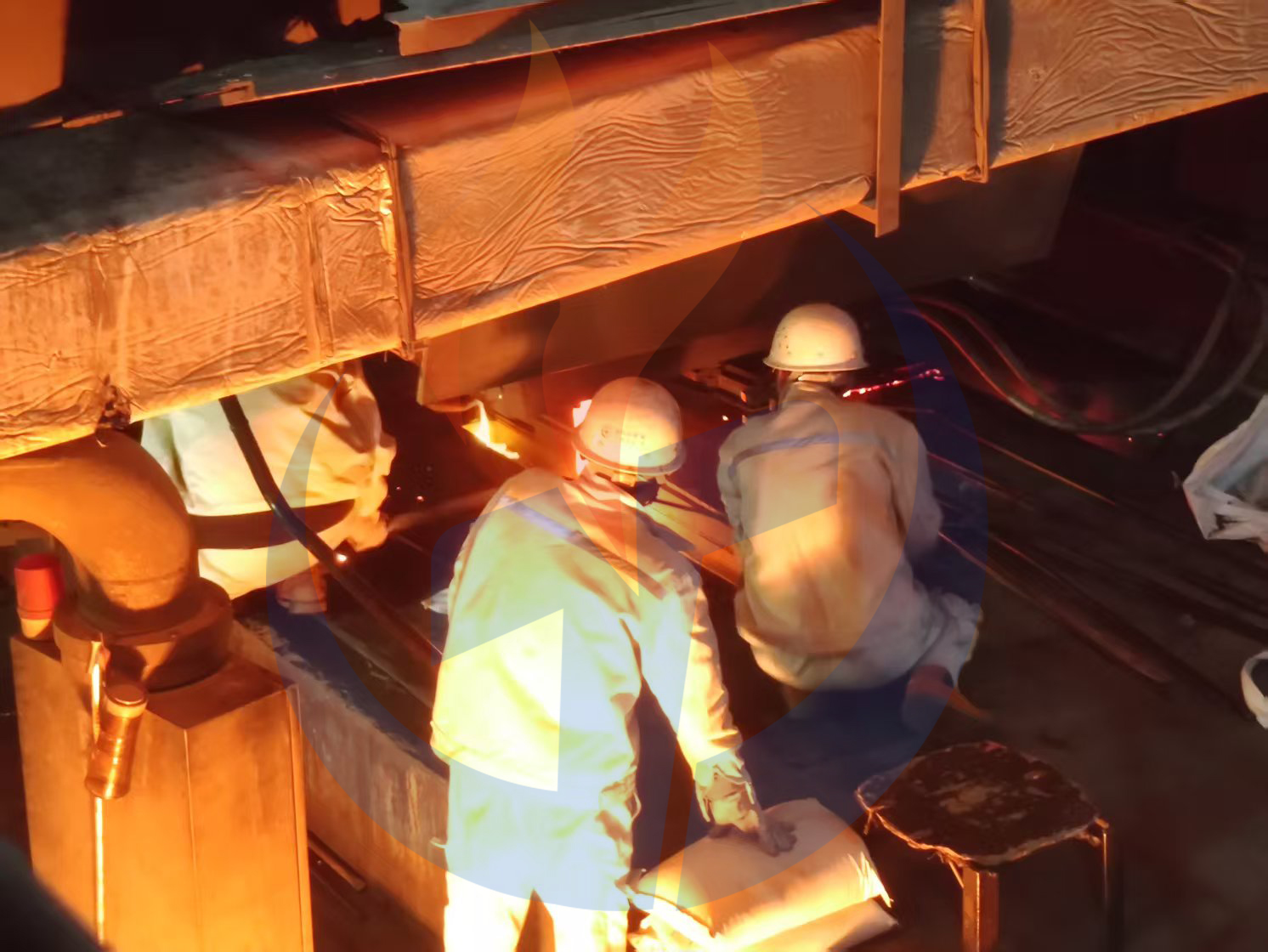
The tundish is a device used for the transition of molten steel between the molten steel ladle and the mold. The tundish plays a role of "connecting the upper and lower parts" after receiving the molten steel flowing into the continuous casting ladle. Its installation position is shown in the figure
What is the function of the tundish?

With the large-scale development of continuous casting equipment, the amount of steel passing through the unit in the long spout has gradually increased, from less than 1t/min originally to more than 7t/min at present. The increase in the amount of steel passing through per unit time has caused a sharp erosion of the inner wall. Therefore, the erosion of the inner wall has become the decisive factor for the long service life of the water outlet.
The main factors affecting the service life of long spouts and the ways to improve their service life