
How does a cement rotary kiln protect the refractory bricks inside
author: Archie
2025-06-04

Porosity and thermal conductivity play an important role in the formation of the initial layer of the kiln skin. Moreover, when the kiln skin falls off locally, refractory materials with higher porosity and thermal conductivity are conducive to the timely rehanging of the kiln skin. But at the same time, it may also show a great destructive effect, causing the thin layer of refractory bricks to fall off.
During the production process of refractory bricks, their physical and chemical changes generally do not reach the equilibrium state at the firing temperature. There are also refractory bricks that are not fully fired. Therefore, when they are subjected to high temperatures again during the operation of the rotary kiln, most refractory bricks undergo irreversible re-firing shrinkage due to the generation of their own liquid phase and the filling of pores. Therefore, high-temperature volume stability must be taken into account when selecting refractory bricks in the firing zone.
Hot surface layer delamination is the main form of damage to the kiln lining of the rotary kiln firing zone after thermal shock. If local kiln skin peeling occurs simultaneously, the service life of refractory bricks will be greatly shortened.
When coal is used as fuel, the volatile matter and ash content of coal play a decisive role and directly affect the shape of the flame. Coal powder with a higher volatile matter content and a lower ash content can shorten the black flame head and form a low-temperature long-flame calcination. It is generally beneficial for protecting the kiln lining, but if the volatile matter is too high and the ignition is too fast, the temperature of the clinker coming out of the kiln will reach over 260℃, and the secondary air temperature will exceed 900℃. This can easily burn out the nozzles, causing them to deform or break and develop notches, resulting in disorderly flame shapes. Before they are replaced, the kiln lining will be damaged. If the volatile matter of coal is too low and the ash content is too high (greater than 28%), the incomplete combustion of a large amount of pulverized coal will settle in the material and burn, releasing a large amount of heat and also damaging the kiln skin.

The structure of fuel nozzles is often not given sufficient attention in production. The shape of the nozzles and the size of the outlet mainly affect the mixing degree and ejection speed of pulverized coal in the same primary air. Sometimes, to enhance the mixing of air and coal, wind fins can be installed inside the nozzles. However, it should be noted that excessive rotation amplitude of the swirling air may damage the kiln skin.
When the aluminium content is too high and the liquid phase viscosity is large, a large amount of kiln skin collapses, which is difficult to control in operation and unfavorable for protecting the kiln lining. In production practice, the aluminium content is generally controlled at 1.3-1.6. When high saturation ratio, high silicon rate and low liquid phase batching are adopted, it is easy to cause the erosion and abrasion of the kiln skin by viscous dispersion materials, making the kiln thin. In severe cases, it can damage the kiln lining. In production practice, when the silicon rate is 2.5, the saturation ratio should not exceed 0.92, and when the silicon rate is 2.8, the saturation ratio should not exceed 0.90.
The fluctuation of raw material feeding amount poses a significant threat to the kiln lining. When there is too much material coming into the kiln, it is necessary to reduce the exhaust air volume at the kiln tail and increase the amount of pulverized coal for forced firing, which causes the heat load in the firing zone to increase rapidly and seriously damages the kiln lining. When there is too little material coming into the kiln, the pulverized coal flame leans significantly downward. The kiln skin in this area will fall off and thin at high temperatures, and then rush towards the thinner material layer. If the air volume and coal usage are not adjusted in time, it is very easy to burn the kiln skin and refractory bricks. In addition, fluctuations in the feeding amount of raw materials can lead to unstable thermal systems and excessive temperatures inside the kiln, causing the kiln skin to fall off or be damaged.
Therefore, when the temperature of the clinker leaving the kiln reaches over 1260℃ and the secondary air temperature exceeds 900℃, it is very easy to burn out the nozzles, causing them to deform or break with notches, resulting in dischaotic flame shapes and easily damaging the kiln lining. The three rates of clinker are generally controlled at KH 0.91±0.01, silicon rate 2.6±0.1, and aluminum rate between 1.3 and 1.6, which is extremely beneficial for protecting the service life of refractory bricks and improving the strength of clinker.
Factors Affecting the erosion resistance of refractory bricks and methods to improve it
Types of heat treatment kiln commonly used for magnesium carbon bricks
Related Article
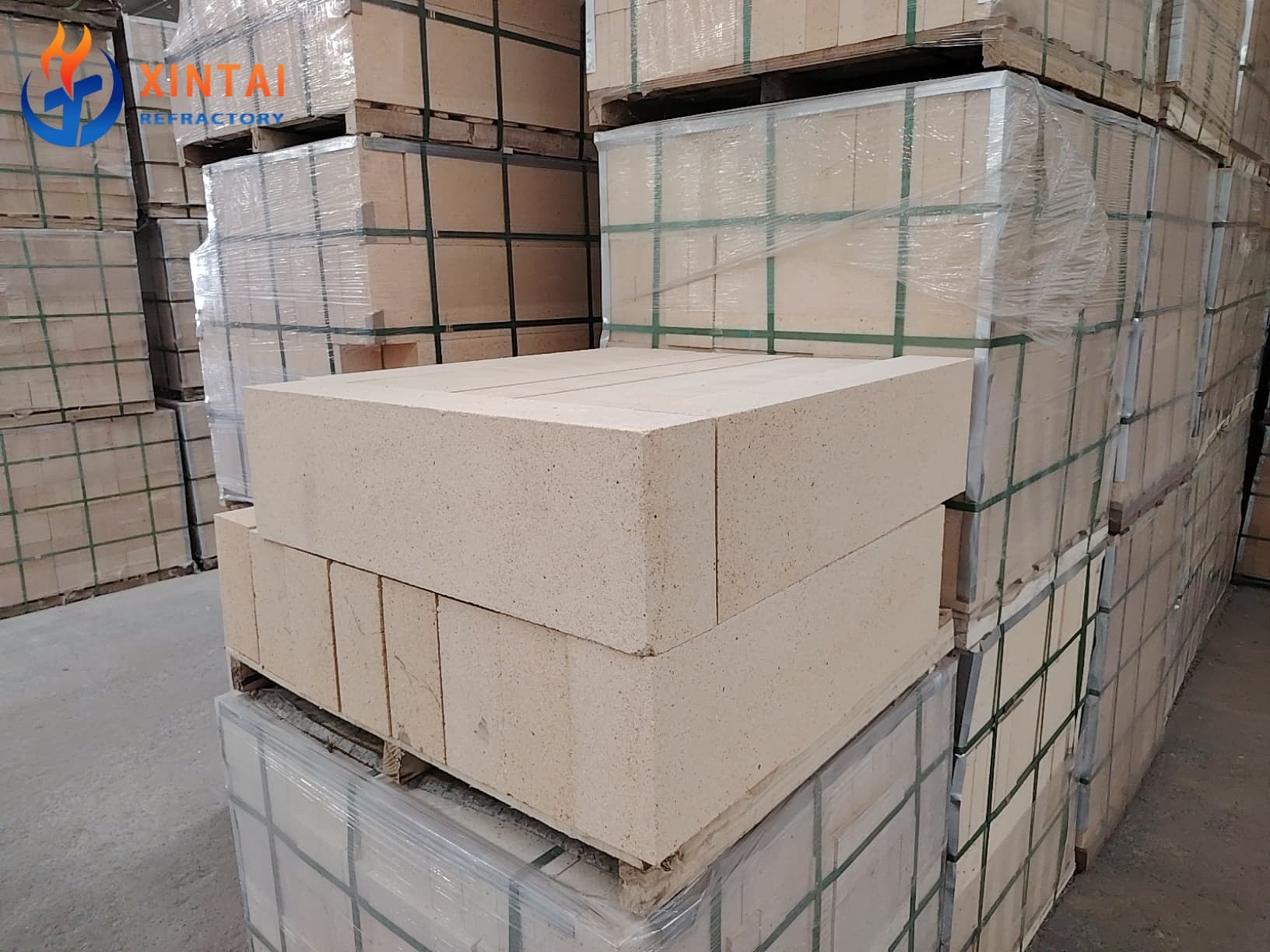
In high-temperature industries such as cement, metallurgy, and chemicals, the service life of refractory bricks in core equipment like rotary kilns and shaft furnaces directly determines production continuity, maintenance costs, and economic benefits.
Is Your Kiln Lining Falling Short of Its Expected Lifespan?
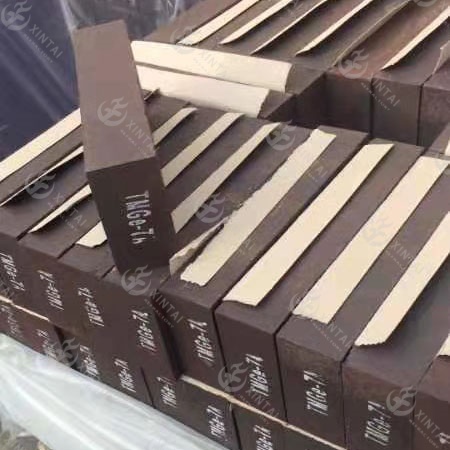
In the high-temperature battlefields of copper smelting, magnesia-chrome bricks serve as the guardians of furnace linings, enduring extreme environmental challenges. But why do the same refractory materials have varying service lives, with some suffering from "premature aging"?
Behind this phenomenon lies an "invisible hand of erosion."
Behind this phenomenon lies an "invisible hand of erosion."
The Mystery of "Premature Aging" in Magnesia-Chrome Bricks: The Invisible Hand of Erosion Accelerating Decay in Copper Smelting Furnaces!
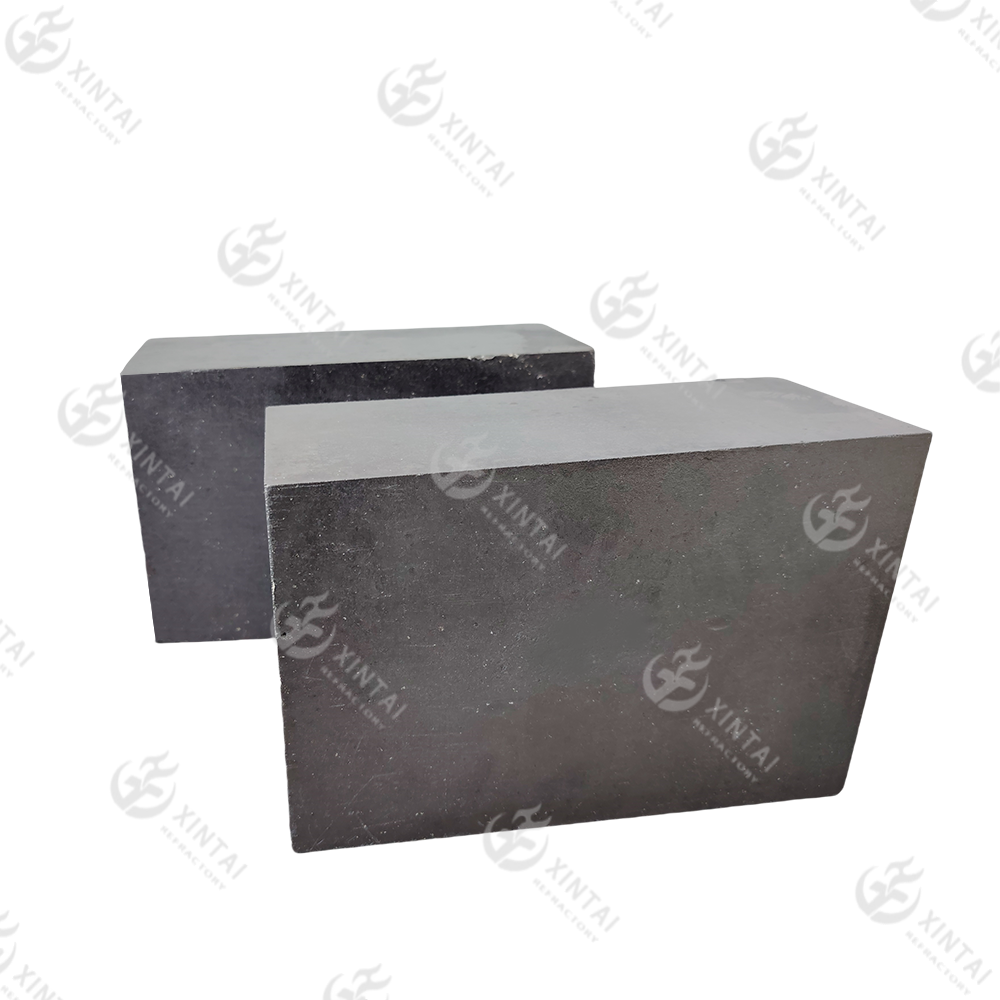
The inside story of how one Chinese manufacturer is revolutionizing cooling stave reliability for steel producers across 30+ countries
From Our Factory to Your Furnace: Why Henan Xintai's Silicon Carbide Bricks Are Transforming Blast Furnace Performance Worldwide
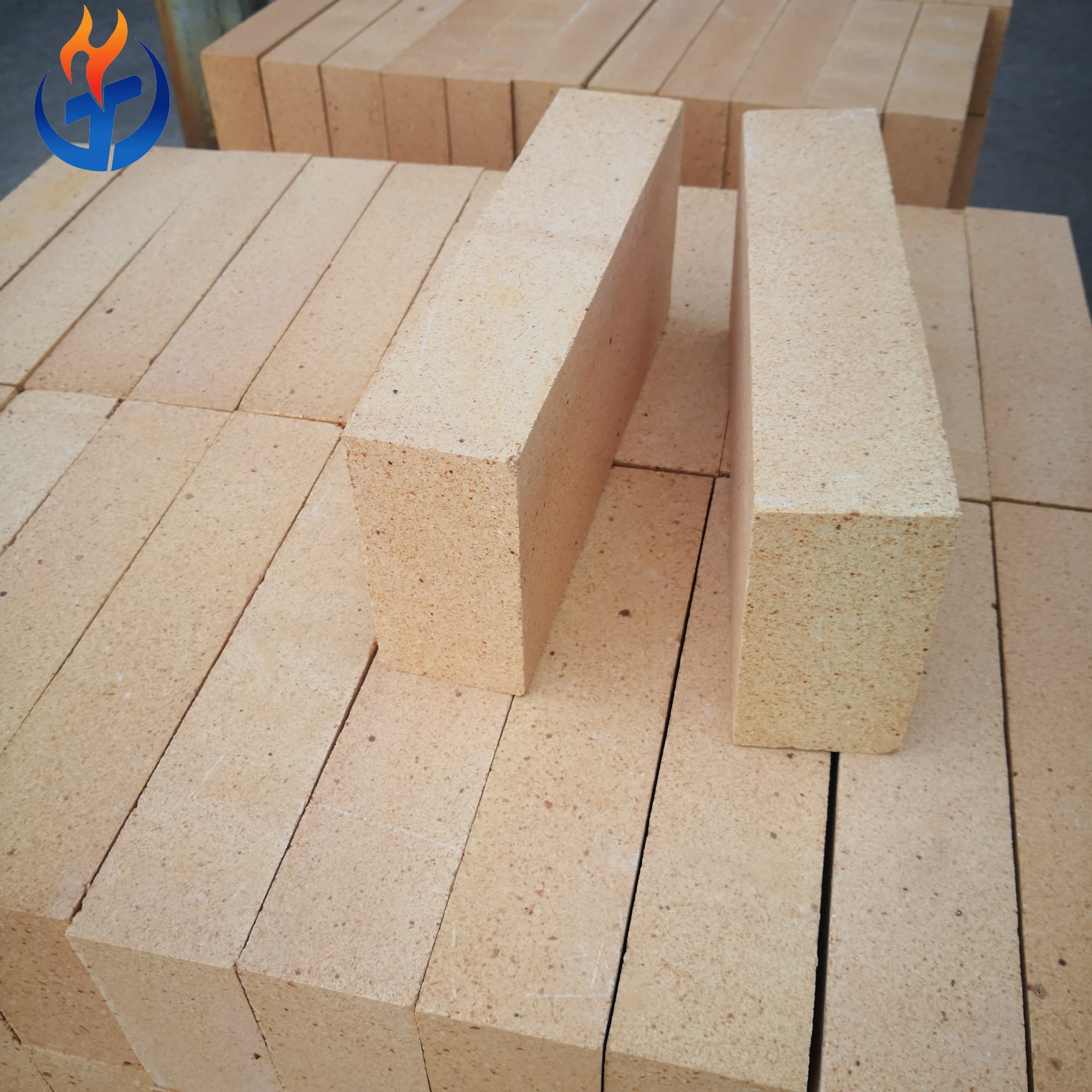
Refractory bricks are heat-proof ceramics that keep steel, glass, cement and petrochemical plants running above 1,000 °C. The global market is worth USD 24 B today and will reach 35 B by 2033, driven by Asian steel and cement plants.
The Ultimate Guide to Refractory Bricks: From Kilns to Cutting-Edge Furnaces