
The Ultimate Guide to Refractory Bricks: From Kilns to Cutting-Edge Furnaces
author: XINTAI
2025-08-28
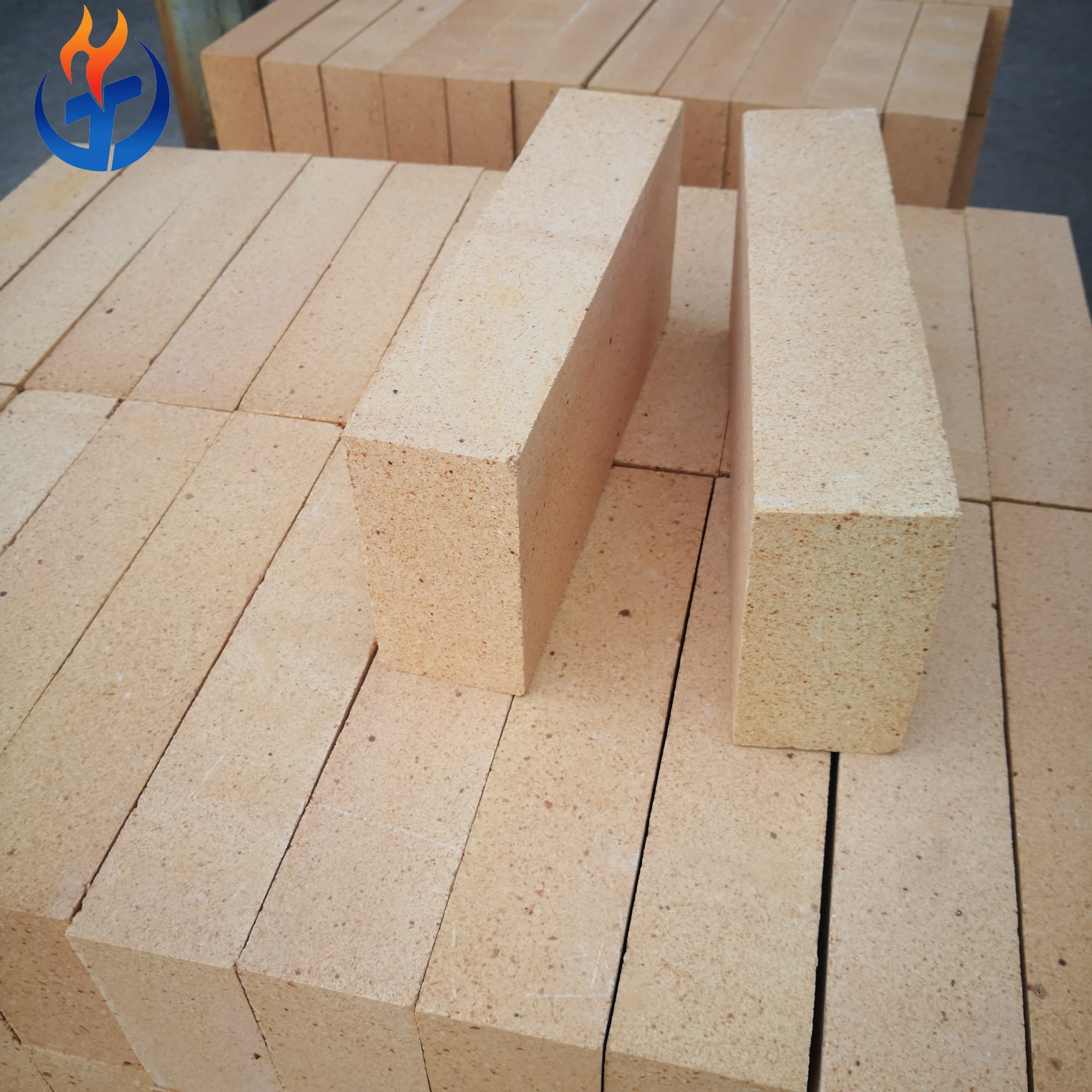
Main families
-
Fireclay and high-alumina: 30–90 % Al₂O₃, good for kilns and ladles.
-
Basic: magnesia, dolomite or chrome-mag, survive 1,800 °C and basic slags.
-
Silica and zirconia: glass furnaces and coke ovens.
-
Silicon-carbide: high conductivity and abrasion resistance.
Typical steps: crush raw bauxite or magnesite, press, fire at 1,400–1,800 °C, test strength and creep. Installation uses steel anchors, expansion joints and periodic gunning repairs.
Sustainability trends: 80 % of spent bricks can be recycled into new grain, nano-bonded mixes lower CO₂, and 3-D printing cuts weight by 40 %.
Rule of thumb: choose fused magnesia for 1,650 °C+ and basic slag, high-alumina for 1,500 °C and thermal shock, insulating firebrick for cost-saving at 1,350 °C.
Master the brick and you master the heat.
From Our Factory to Your Furnace: Why Henan Xintai's Silicon Carbide Bricks Are Transforming Blast Furnace Performance Worldwide
Break the quality deadlock of refractory bricks
Related Article
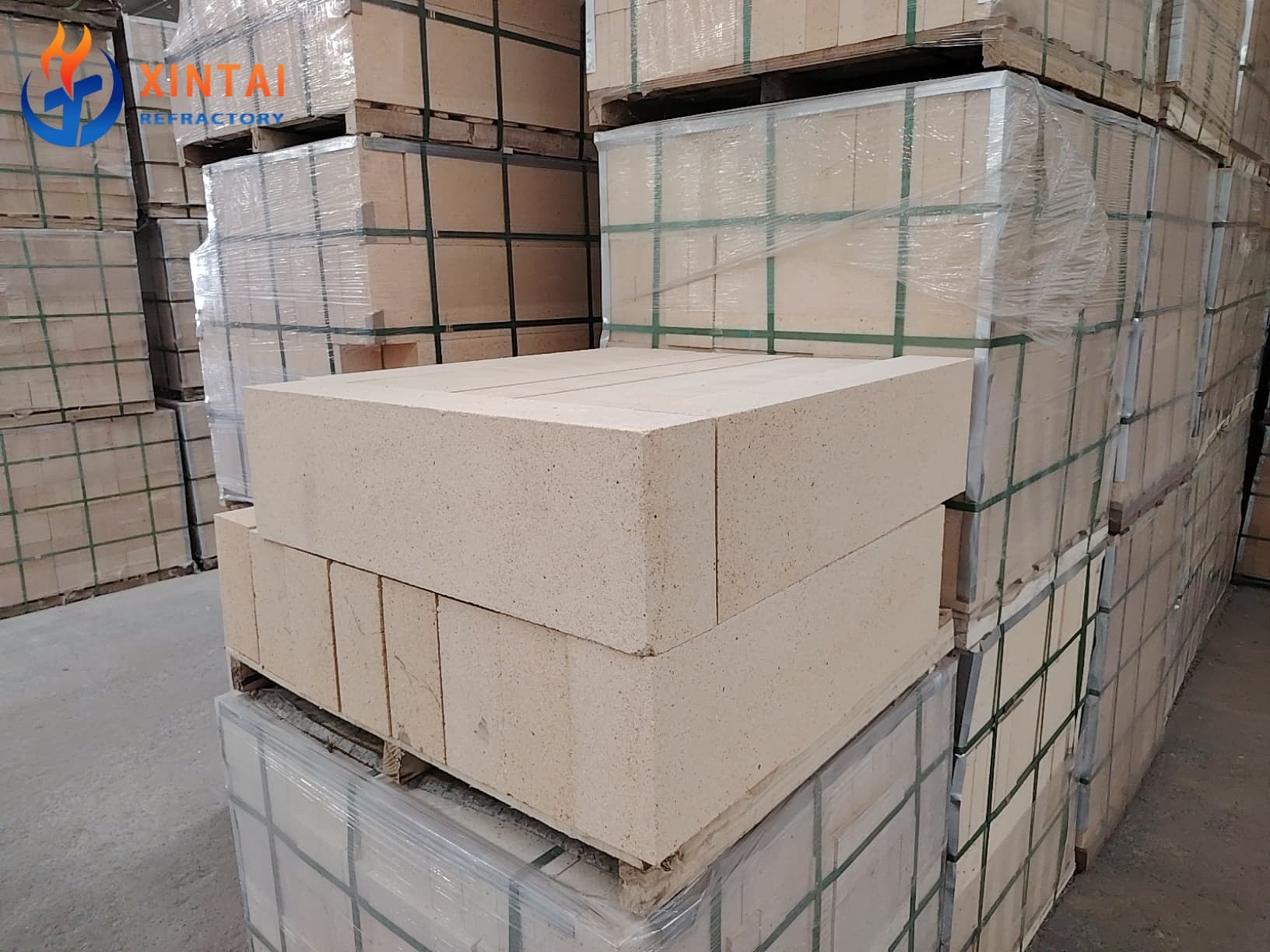
In high-temperature industries such as cement, metallurgy, and chemicals, the service life of refractory bricks in core equipment like rotary kilns and shaft furnaces directly determines production continuity, maintenance costs, and economic benefits.
Is Your Kiln Lining Falling Short of Its Expected Lifespan?
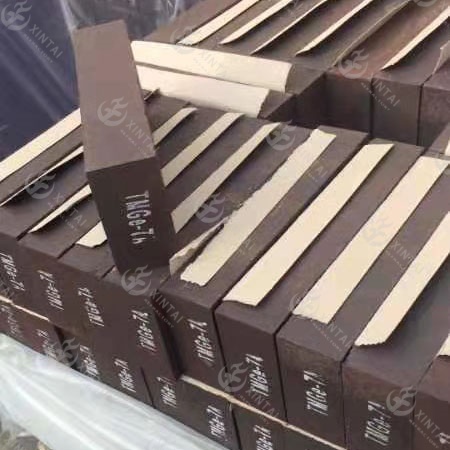
In the high-temperature battlefields of copper smelting, magnesia-chrome bricks serve as the guardians of furnace linings, enduring extreme environmental challenges. But why do the same refractory materials have varying service lives, with some suffering from "premature aging"?
Behind this phenomenon lies an "invisible hand of erosion."
Behind this phenomenon lies an "invisible hand of erosion."
The Mystery of "Premature Aging" in Magnesia-Chrome Bricks: The Invisible Hand of Erosion Accelerating Decay in Copper Smelting Furnaces!
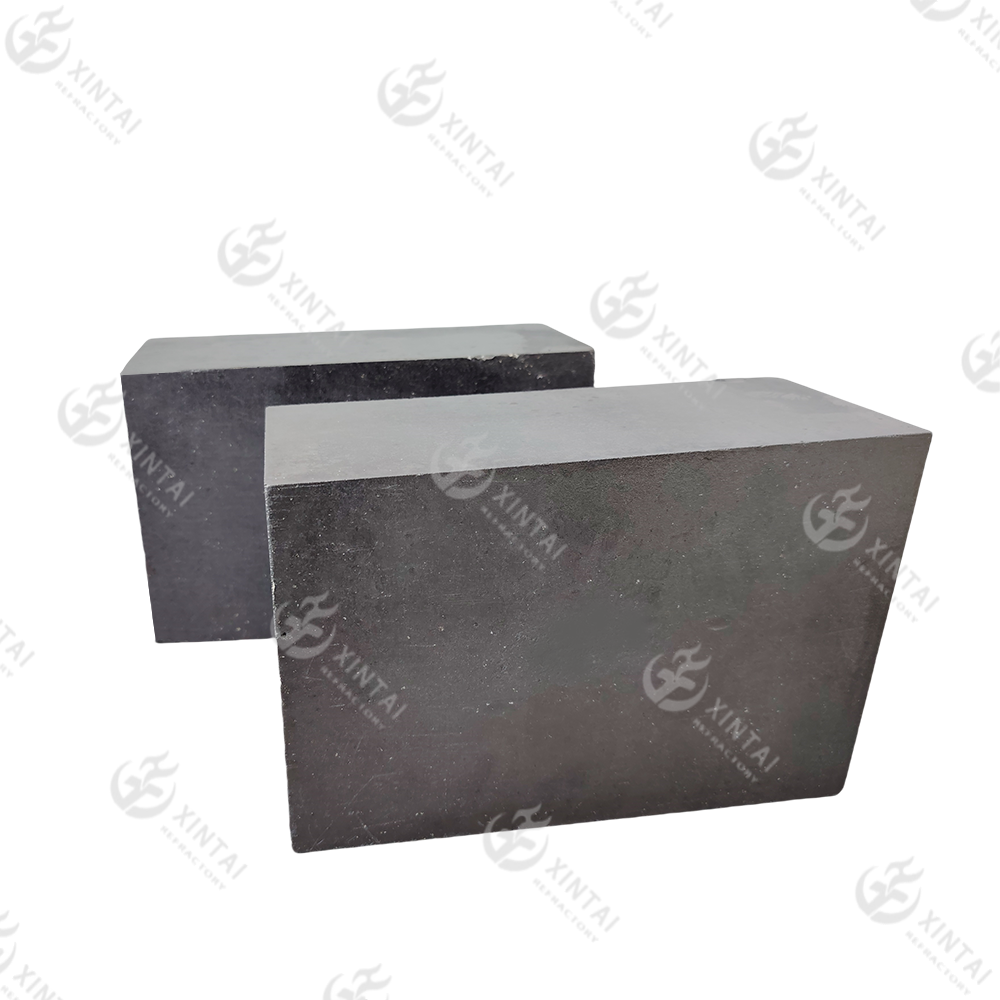
The inside story of how one Chinese manufacturer is revolutionizing cooling stave reliability for steel producers across 30+ countries
From Our Factory to Your Furnace: Why Henan Xintai's Silicon Carbide Bricks Are Transforming Blast Furnace Performance Worldwide
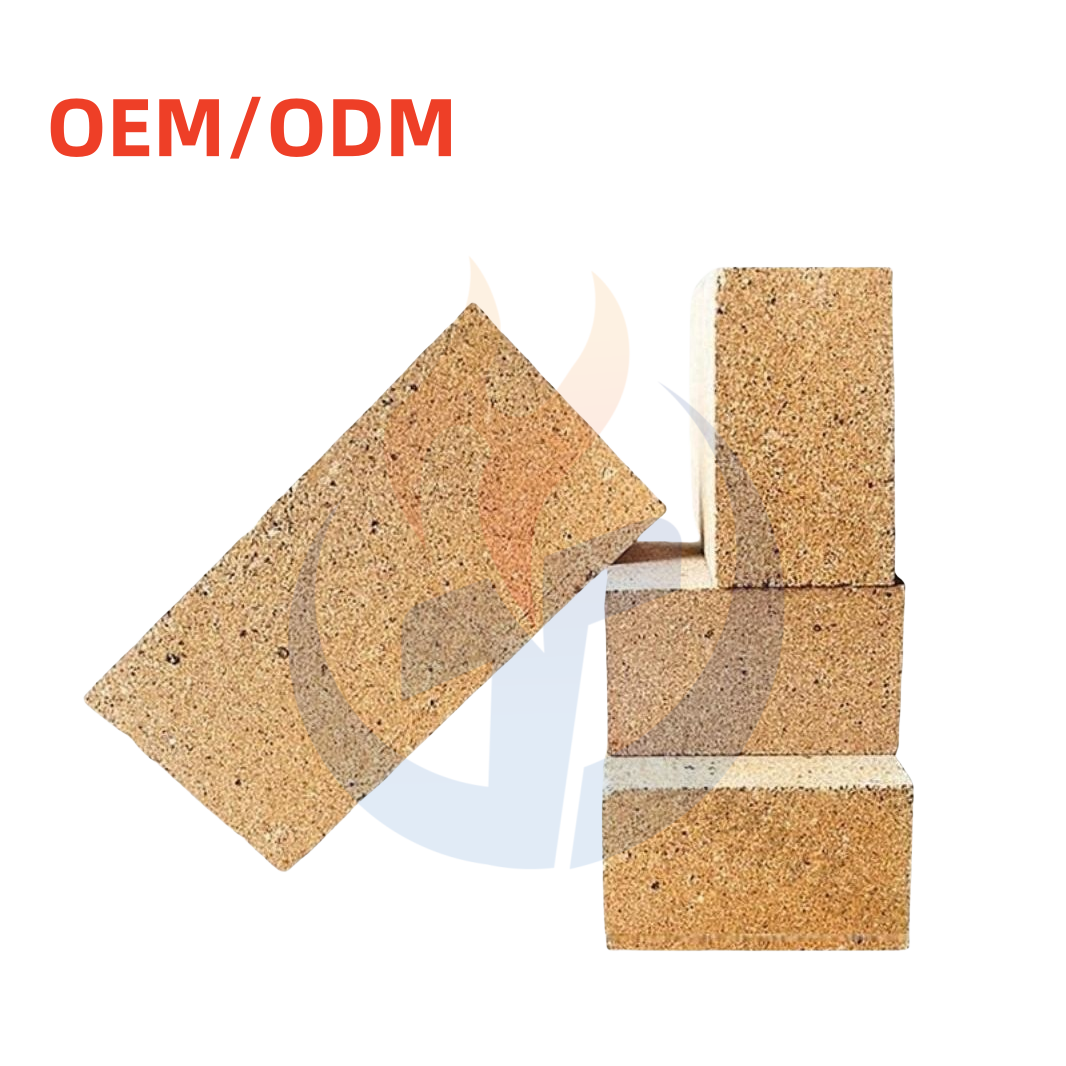
After the refractory materials are fired, sampling, testing and acceptance work should be carried out. Among them, the testing of refractory material products should cover all aspects of the material products as required. The testing process must be rigorous and scientific, so as to enable enterprises to discover problems in time and at the same time be of great help to improve the product yield rate.
Break the quality deadlock of refractory bricks