
High-temperature energy-saving insulation material recommendation - Backing blanket for waste incinerator
author: XINTAI
2025-07-31

The insulation layer of a waste incinerator usually adopts ceramic fiber modules and ceramic fiber blankets as the insulation layer and backing insulation layer.
The layout of refractory insulation materials for waste incinerators
The water-cooled wall heating surfaces arranged in the combustion chamber and at the furnace outlet of the incinerator are exposed to the high-temperature flame radiation inside the furnace. Usually, a refractory lining layer of 50 to 100mm is laid on the flue gas side of the water-cooled wall. Refractory materials typically use SiC materials that are resistant to slag erosion and have good thermal conductivity, which can prevent slag from adhering and growing on the wall. When the secondary combustion space in the furnace is insufficient, refractory materials are laid in the radiant cooling chamber after the furnace outlet as a protective combustion zone, which is part of the secondary combustion chamber and can ensure that the flue gas has sufficient residence time in the high-temperature area. For grate incinerators, the laying range also needs to cover the possible contact range of the flame. When high-temperature combustion and low excess air coefficient combustion technologies are adopted, the laying range of the refractory lining should be appropriately increased along the direction of the flue gas flow to prevent high-temperature corrosion of the water-cooled wall heating surface.
Grate furnaces usually design the two side walls of the furnace chamber or the front and rear arches as water-cooled wall structures. Fluidized bed boilers usually can design the dilute phase zone as a water-cooled wall structure (equivalent to a flue gas radiation cooling chamber). The flue gas side surface of the radiant heating surface inside the furnace is covered with a 70-100mm refractory insulation lining ceramic fiber blanket, and the outer surface of the water-cooled wall is covered with an insulation layer. When comparing the design of the insulated furnace wall, although the structure is complex, the thickness of the refractory layer is low, which can significantly reduce the weight of refractory materials, decrease the load on the steel structure and the cost.
The water-cooled wall inside the furnace usually adopts a membrane water-cooled wall structure with good sealing performance. Due to the high temperature inside the furnace, a smaller pitch needs to be used and refractory materials laid to prevent high-temperature corrosion and wear of the water pipes. Pipes with a diameter of 51mm or 60mm are usually used, and the pitch is 80 to 110mm. During operation, a thermal expansion difference occurs between the water-cooled wall and the steel shell part. The connection between the water-cooled wall and the furnace body not only needs to ensure sealing but also requires the setting of an appropriate structure to absorb this expansion difference and ensure the sealing of the furnace body. In addition, considering that if the refractory materials laid on the water-cooled walls inside the furnace fall off, a strong heat exchange will occur between the high-temperature flue gas and the water pipes, leading to overheating and high-temperature corrosion of the water pipes. Therefore, in addition to strengthening the inspection of the laid refractory materials during daily inspections, a reliable and simple water circulation loop is usually adopted for the water-cooled walls inside the furnace to ensure the operation of the water pipes.
The water-cooled wall heating surfaces arranged in the combustion chamber and at the furnace outlet of the incinerator are exposed to the high-temperature flame radiation inside the furnace. Usually, a refractory lining layer of 50 to 100mm is laid on the flue gas side of the water-cooled wall. Refractory materials typically use SiC materials that are resistant to slag erosion and have good thermal conductivity, which can prevent slag from adhering and growing on the wall. When the secondary combustion space in the furnace is insufficient, refractory materials are laid in the radiant cooling chamber after the furnace outlet as a protective combustion zone, which is part of the secondary combustion chamber and can ensure that the flue gas has sufficient residence time in the high-temperature area. For grate incinerators, the laying range also needs to cover the possible contact range of the flame. When high-temperature combustion and low excess air coefficient combustion technologies are adopted, the laying range of the refractory lining should be appropriately increased along the direction of the flue gas flow to prevent high-temperature corrosion of the water-cooled wall heating surface.
Grate furnaces usually design the two side walls of the furnace chamber or the front and rear arches as water-cooled wall structures. Fluidized bed boilers usually can design the dilute phase zone as a water-cooled wall structure (equivalent to a flue gas radiation cooling chamber). The flue gas side surface of the radiant heating surface inside the furnace is covered with a 70-100mm refractory insulation lining ceramic fiber blanket, and the outer surface of the water-cooled wall is covered with an insulation layer. When comparing the design of the insulated furnace wall, although the structure is complex, the thickness of the refractory layer is low, which can significantly reduce the weight of refractory materials, decrease the load on the steel structure and the cost.
The water-cooled wall inside the furnace usually adopts a membrane water-cooled wall structure with good sealing performance. Due to the high temperature inside the furnace, a smaller pitch needs to be used and refractory materials laid to prevent high-temperature corrosion and wear of the water pipes. Pipes with a diameter of 51mm or 60mm are usually used, and the pitch is 80 to 110mm. During operation, a thermal expansion difference occurs between the water-cooled wall and the steel shell part. The connection between the water-cooled wall and the furnace body not only needs to ensure sealing but also requires the setting of an appropriate structure to absorb this expansion difference and ensure the sealing of the furnace body. In addition, considering that if the refractory materials laid on the water-cooled walls inside the furnace fall off, a strong heat exchange will occur between the high-temperature flue gas and the water pipes, leading to overheating and high-temperature corrosion of the water pipes. Therefore, in addition to strengthening the inspection of the laid refractory materials during daily inspections, a reliable and simple water circulation loop is usually adopted for the water-cooled walls inside the furnace to ensure the operation of the water pipes.

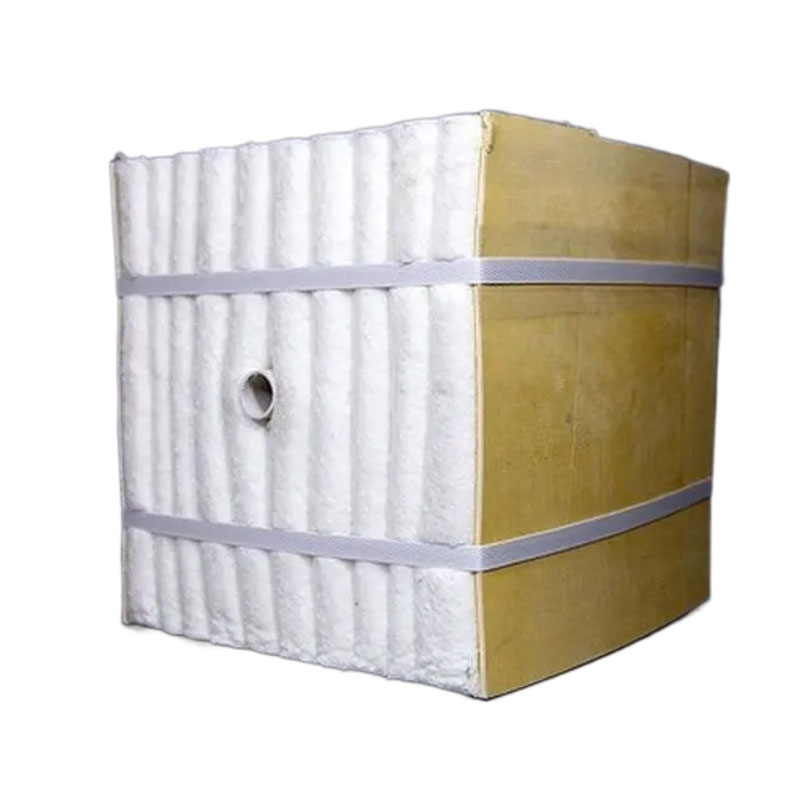
The product application of backing blankets for waste incinerators
Insulation layer for the back lining of the waste incinerator
The interior of the side walls of the tunnel kiln is filled with insulation.
Thermal insulation materials for tunnel kilns
Insulation of kiln cars, insulation and heat insulation of tunnel kiln cars;
Insulation, refractory and heat insulation materials for the body and top of the ring kiln;
Thermal insulation materials for industrial furnaces
Thermal insulation for trolley furnaces
Insulation of tunnel kiln car
Materials for the lining and backing of industrial kilns, insulation and sealing of expansion joints of kiln masonry, furnace doors and top covers;
Insulation materials for high-temperature pipelines, processing materials for modules/folded blocks;
Insulating refractory materials for all-electric annealing furnaces;
Thermal insulation materials for gas annealing furnaces
Glass products thermal insulation, heat preservation and high-temperature resistant materials;
Radiant baking furnace filling cotton, aluminosilicate cotton, aluminosilicate blanket;
Low-temperature spray drying and baking furnace filling cotton, aluminosilicate thermal insulation and heat preservation refractory cotton heat insulation blanket;
Insulation, heat insulation and heat preservation materials for the inner lining of large trolley furnace walls;
Insulation layer for the back lining of the waste incinerator
The interior of the side walls of the tunnel kiln is filled with insulation.
Thermal insulation materials for tunnel kilns
Insulation of kiln cars, insulation and heat insulation of tunnel kiln cars;
Insulation, refractory and heat insulation materials for the body and top of the ring kiln;
Thermal insulation materials for industrial furnaces
Thermal insulation for trolley furnaces
Insulation of tunnel kiln car
Materials for the lining and backing of industrial kilns, insulation and sealing of expansion joints of kiln masonry, furnace doors and top covers;
Insulation materials for high-temperature pipelines, processing materials for modules/folded blocks;
Insulating refractory materials for all-electric annealing furnaces;
Thermal insulation materials for gas annealing furnaces
Glass products thermal insulation, heat preservation and high-temperature resistant materials;
Radiant baking furnace filling cotton, aluminosilicate cotton, aluminosilicate blanket;
Low-temperature spray drying and baking furnace filling cotton, aluminosilicate thermal insulation and heat preservation refractory cotton heat insulation blanket;
Insulation, heat insulation and heat preservation materials for the inner lining of large trolley furnace walls;
High-temperature energy-saving insulation material recommendation - Furnace door cover sealing insulation blanket
Advantages of Ceramic Fibre Modular Furnace Lining for Ring Tunnel Kiln Ceiling Insulation Foam
Related Article
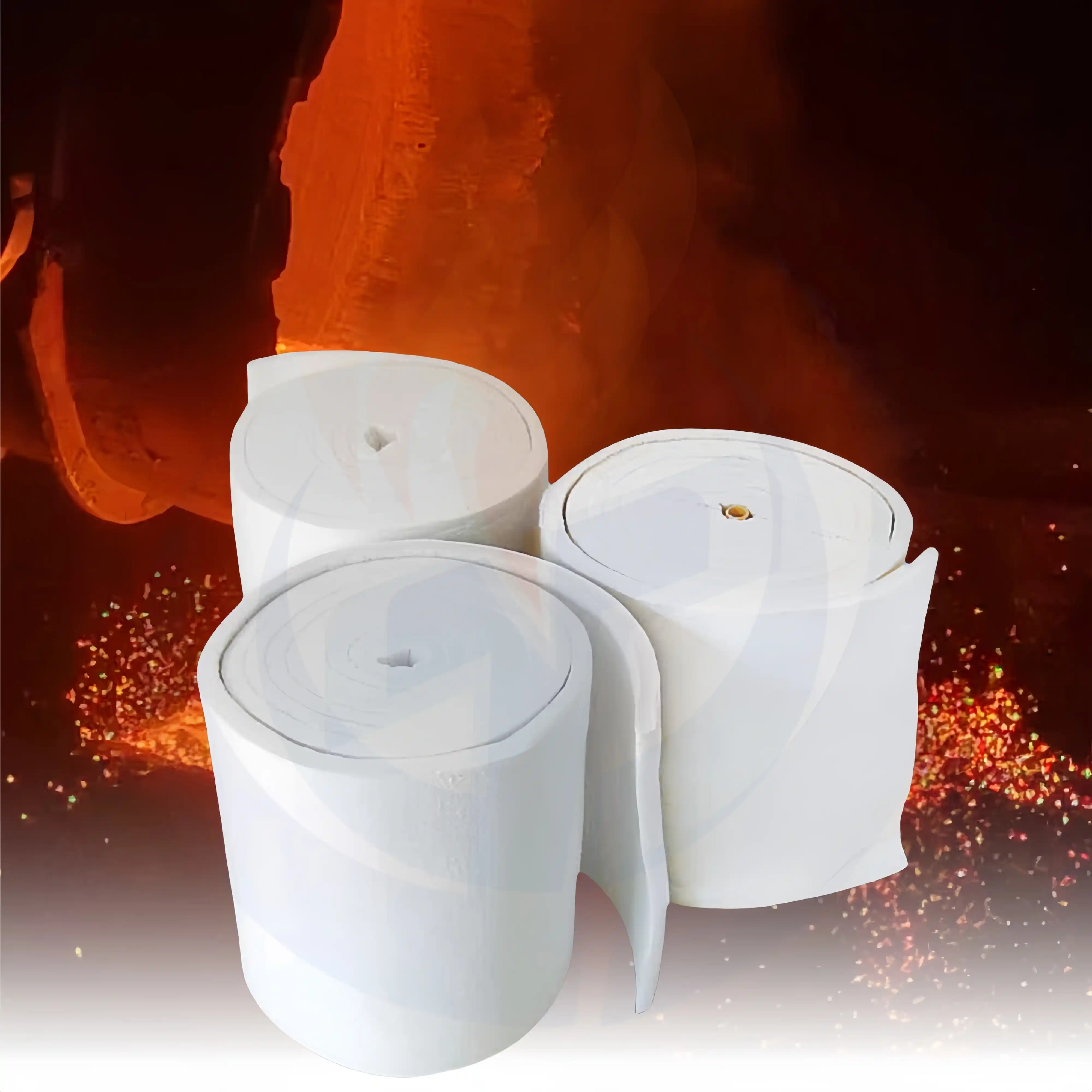
High-temperature resistant ceramic fiber blankets can be used as sealing materials for the inner furnace covers of heat treatment furnaces and some other furnaces (to replace sand seals). It is used for wrapping water pipes, lining the furnace top and furnace walls on heating furnaces. It is used as the outer cover material of the bell annealing furnace and the sealing material of the base on the heat treatment furnace, and is convenient for construction and easy to operate.
High-temperature energy-saving insulation material recommendation - Furnace door cover sealing insulation blanket
