
Factors Affecting the erosion resistance of refractory bricks and methods to improve it
author: XINTAI
2025-08-14
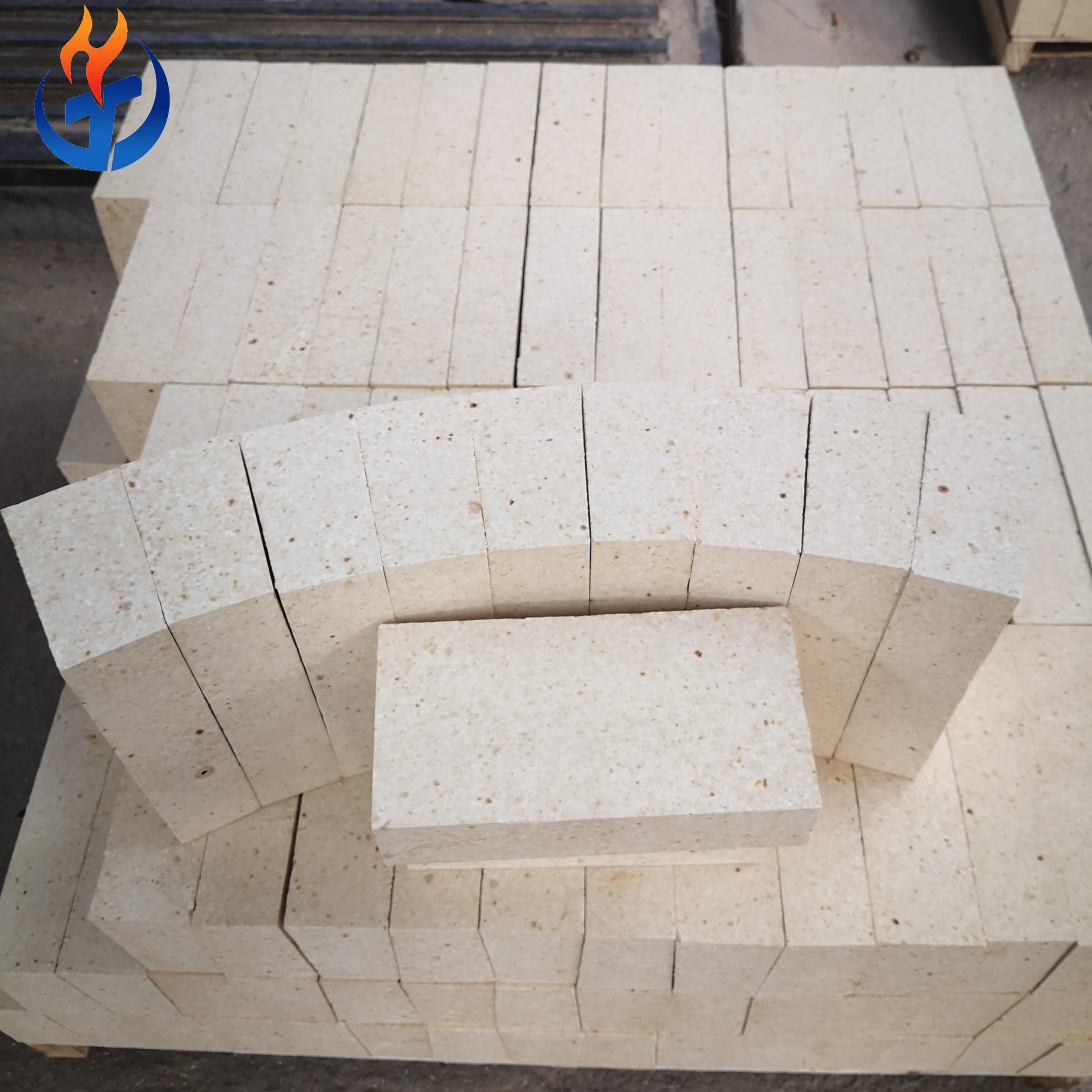
These erosive media include various slags (blast furnaces, electric furnaces, converters, refining furnaces, non-ferrous metal smelting furnaces, calcining furnaces, reaction furnaces), fuels, ash, flying dust, iron filings, lime, cement clinker, alumina clinker, garbage, liquid molten metals, glass molten liquids, acids and alkalis, electrolyte solutions, and various gaseous substances (gas, CO, sulfur, zinc and alkali vapor), etc.
Erosion resistance is a very important indicator for measuring the resistance of refractory bricks to chemical erosion and mechanical wear. It is of great significance for formulating the correct production process and rationally selecting refractory bricks.
Factors Affecting The Erosion Resistance Of Refractory Bricks
The factors influencing the erosion resistance of refractory bricks include both internal and external ones. The internal factors mainly include: the chemical and mineral composition of refractory bricks, their microstructure and other properties, etc. The external factors include: the nature of the corrosive medium, the usage conditions (temperature, pressure, etc.), and the interaction between the corrosive medium and the refractory brick under the usage conditions.
(1) Chemical and mineral composition of refractory bricks. Materials with different chemical compositions have different resistance to erosion. Acidic refractory bricks have better resistance to erosion by acidic corrosive media, while alkaline refractory bricks have very weak resistance to erosion by acidic corrosive media.
Refractory bricks are multiphase aggregates composed of a main crystal phase and a matrix. The main crystal phase has a high refractoriness, large grains, few grain boundaries, and relatively better erosion resistance. If the impurity content in the matrix is high, it is easy to form a liquid phase. If the viscosity of the formed liquid phase is low, it is unfavorable for the erosion resistance of the material.
(2) The microstructure of refractory bricks. It mainly refers to the distribution and combination of various phases in refractory bricks, as well as the quantity, size, shape and distribution of pores, etc.
(3) Other properties of refractory bricks. The bulk density, apparent porosity, thermal shock resistance, oxidation resistance, and high-temperature volume stability of refractory bricks have a significant impact on their erosion resistance. Dense materials with high bulk density and low porosity have better erosion resistance compared to loose materials. Materials with poor thermal shock resistance will develop cracks or peel off when subjected to thermal shock, allowing the corrosive medium to enter the interior of the material and reducing its corrosion resistance. Carbon-containing refractory bricks with poor oxidation resistance form a decarburized layer on the surface after oxidation. The structure is loose and easy to fall off, which reduces the erosion resistance. Materials with poor high-temperature volume stability generally also lead to a decline in their erosion resistance.
(4) The influence of corrosive media. It mainly refers to the chemical composition, acidity or alkalinity, viscosity of the corrosive medium, the temperature of the medium, the flow rate (static or dynamic), the pressure and the atmosphere (for gaseous corrosive media, oxidizing, reducing, etc.).
(5) The interaction between refractory bricks and corrosive media. Refractory bricks react with corrosive media to form high-melting-point or high-viscosity phases, which is conducive to reducing the erosion of materials.
(6) The influence of usage conditions. It mainly includes temperature levels and fluctuations, pressure, atmosphere, contact time and area, etc. High temperature, large fluctuations, high pressure or vacuum, strong corrosive atmosphere, long contact time and large area will cause more severe erosion to the material.
(1) Chemical and mineral composition of refractory bricks. Materials with different chemical compositions have different resistance to erosion. Acidic refractory bricks have better resistance to erosion by acidic corrosive media, while alkaline refractory bricks have very weak resistance to erosion by acidic corrosive media.
Refractory bricks are multiphase aggregates composed of a main crystal phase and a matrix. The main crystal phase has a high refractoriness, large grains, few grain boundaries, and relatively better erosion resistance. If the impurity content in the matrix is high, it is easy to form a liquid phase. If the viscosity of the formed liquid phase is low, it is unfavorable for the erosion resistance of the material.
(2) The microstructure of refractory bricks. It mainly refers to the distribution and combination of various phases in refractory bricks, as well as the quantity, size, shape and distribution of pores, etc.
(3) Other properties of refractory bricks. The bulk density, apparent porosity, thermal shock resistance, oxidation resistance, and high-temperature volume stability of refractory bricks have a significant impact on their erosion resistance. Dense materials with high bulk density and low porosity have better erosion resistance compared to loose materials. Materials with poor thermal shock resistance will develop cracks or peel off when subjected to thermal shock, allowing the corrosive medium to enter the interior of the material and reducing its corrosion resistance. Carbon-containing refractory bricks with poor oxidation resistance form a decarburized layer on the surface after oxidation. The structure is loose and easy to fall off, which reduces the erosion resistance. Materials with poor high-temperature volume stability generally also lead to a decline in their erosion resistance.
(4) The influence of corrosive media. It mainly refers to the chemical composition, acidity or alkalinity, viscosity of the corrosive medium, the temperature of the medium, the flow rate (static or dynamic), the pressure and the atmosphere (for gaseous corrosive media, oxidizing, reducing, etc.).
(5) The interaction between refractory bricks and corrosive media. Refractory bricks react with corrosive media to form high-melting-point or high-viscosity phases, which is conducive to reducing the erosion of materials.
(6) The influence of usage conditions. It mainly includes temperature levels and fluctuations, pressure, atmosphere, contact time and area, etc. High temperature, large fluctuations, high pressure or vacuum, strong corrosive atmosphere, long contact time and large area will cause more severe erosion to the material.

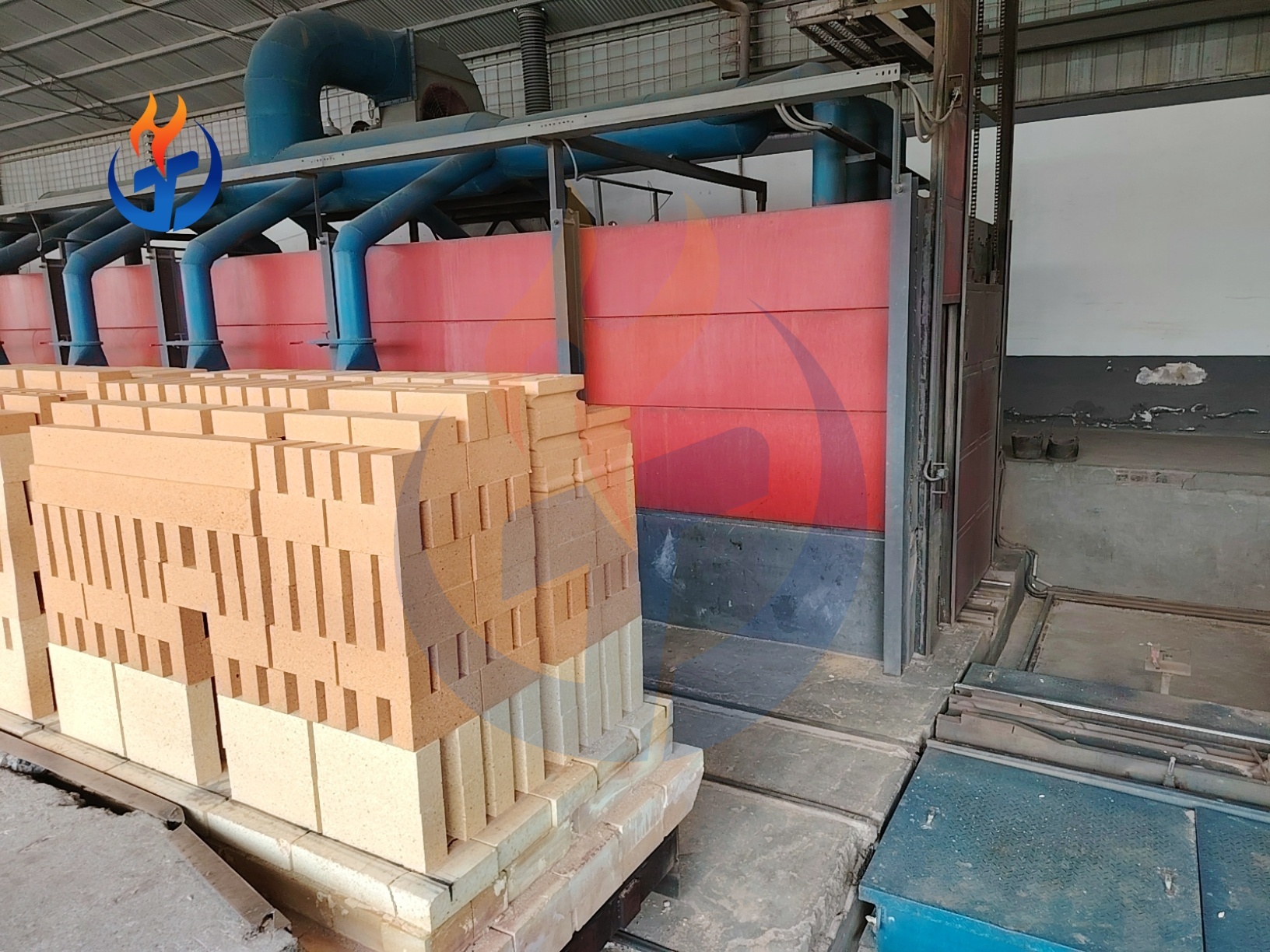
Methods for improving erosion resistance
Based on the above analysis, the following measures can be taken to improve the erosion resistance of refractory bricks:
(1) Enhance the purity of raw materials, improve the chemical and mineral composition of products, and minimize the content of low-melting substances and impurities as much as possible;
(2) Pay attention to the selection of refractory bricks and try to choose refractory bricks with a chemical composition similar to that of the eroding medium. In addition, when using refractory bricks, it should also be noted that the chemical properties of the materials used should be similar to prevent or reduce the interface damage reaction between the materials used under high-temperature conditions.
(3) Select an appropriate production method to obtain products with a dense and uniform microstructure.
Due to the diversity and complexity of the erosion media, the test methods for studying the erosion resistance of refractory bricks should also be different. Henan Refractory Materials Factory recommends test methods for slag resistance, acid resistance, alkali resistance, resistance to erosion by molten glass, and resistance to CO erosion, etc.
(1) Enhance the purity of raw materials, improve the chemical and mineral composition of products, and minimize the content of low-melting substances and impurities as much as possible;
(2) Pay attention to the selection of refractory bricks and try to choose refractory bricks with a chemical composition similar to that of the eroding medium. In addition, when using refractory bricks, it should also be noted that the chemical properties of the materials used should be similar to prevent or reduce the interface damage reaction between the materials used under high-temperature conditions.
(3) Select an appropriate production method to obtain products with a dense and uniform microstructure.
Due to the diversity and complexity of the erosion media, the test methods for studying the erosion resistance of refractory bricks should also be different. Henan Refractory Materials Factory recommends test methods for slag resistance, acid resistance, alkali resistance, resistance to erosion by molten glass, and resistance to CO erosion, etc.
Break the quality deadlock of refractory bricks
How does a cement rotary kiln protect the refractory bricks inside
Related Article
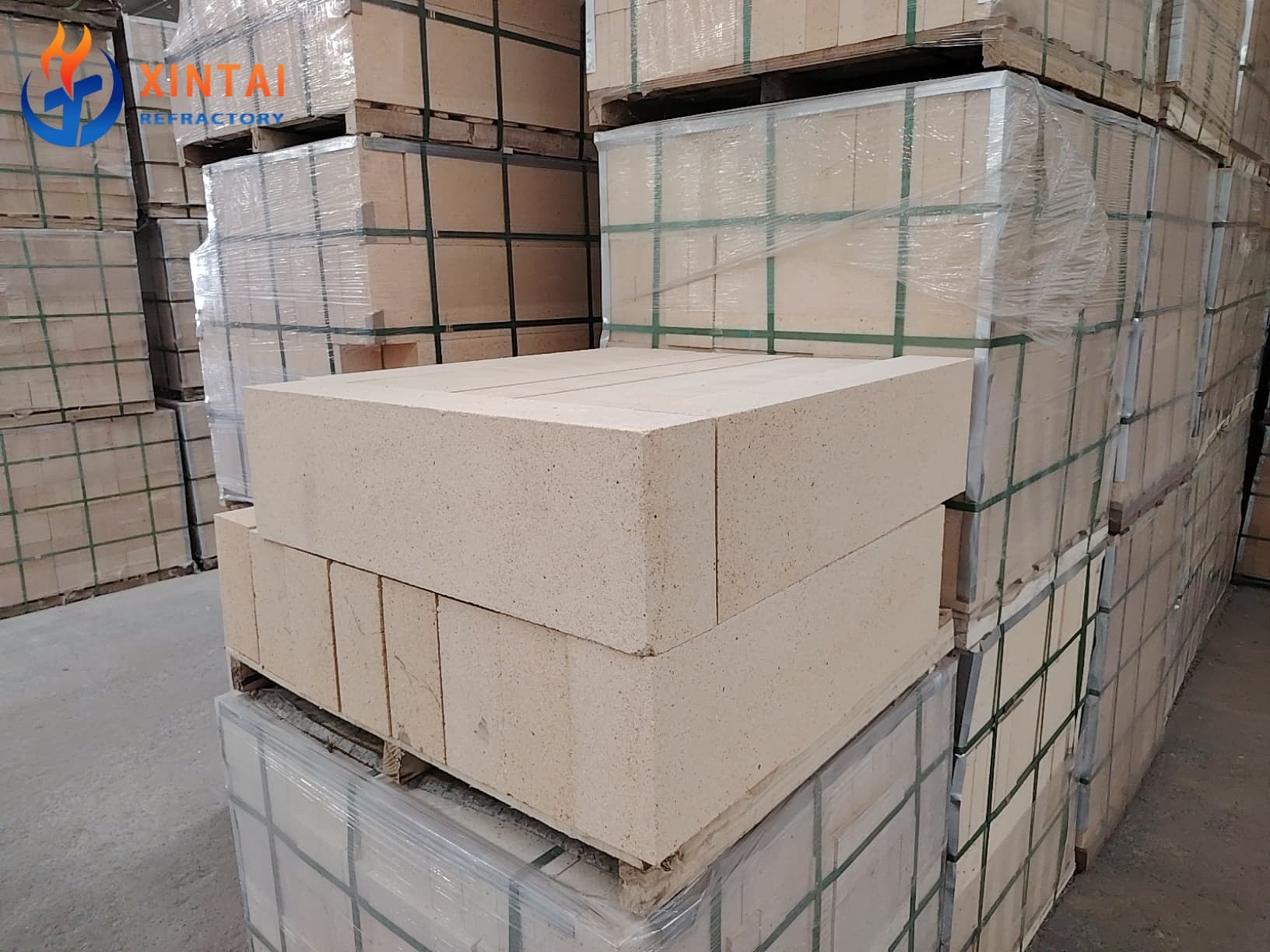
In high-temperature industries such as cement, metallurgy, and chemicals, the service life of refractory bricks in core equipment like rotary kilns and shaft furnaces directly determines production continuity, maintenance costs, and economic benefits.
Is Your Kiln Lining Falling Short of Its Expected Lifespan?
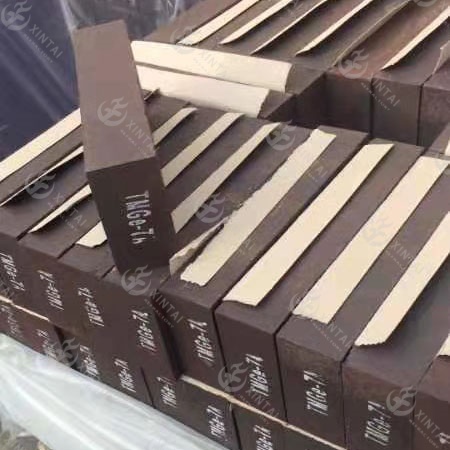
In the high-temperature battlefields of copper smelting, magnesia-chrome bricks serve as the guardians of furnace linings, enduring extreme environmental challenges. But why do the same refractory materials have varying service lives, with some suffering from "premature aging"?
Behind this phenomenon lies an "invisible hand of erosion."
Behind this phenomenon lies an "invisible hand of erosion."
The Mystery of "Premature Aging" in Magnesia-Chrome Bricks: The Invisible Hand of Erosion Accelerating Decay in Copper Smelting Furnaces!
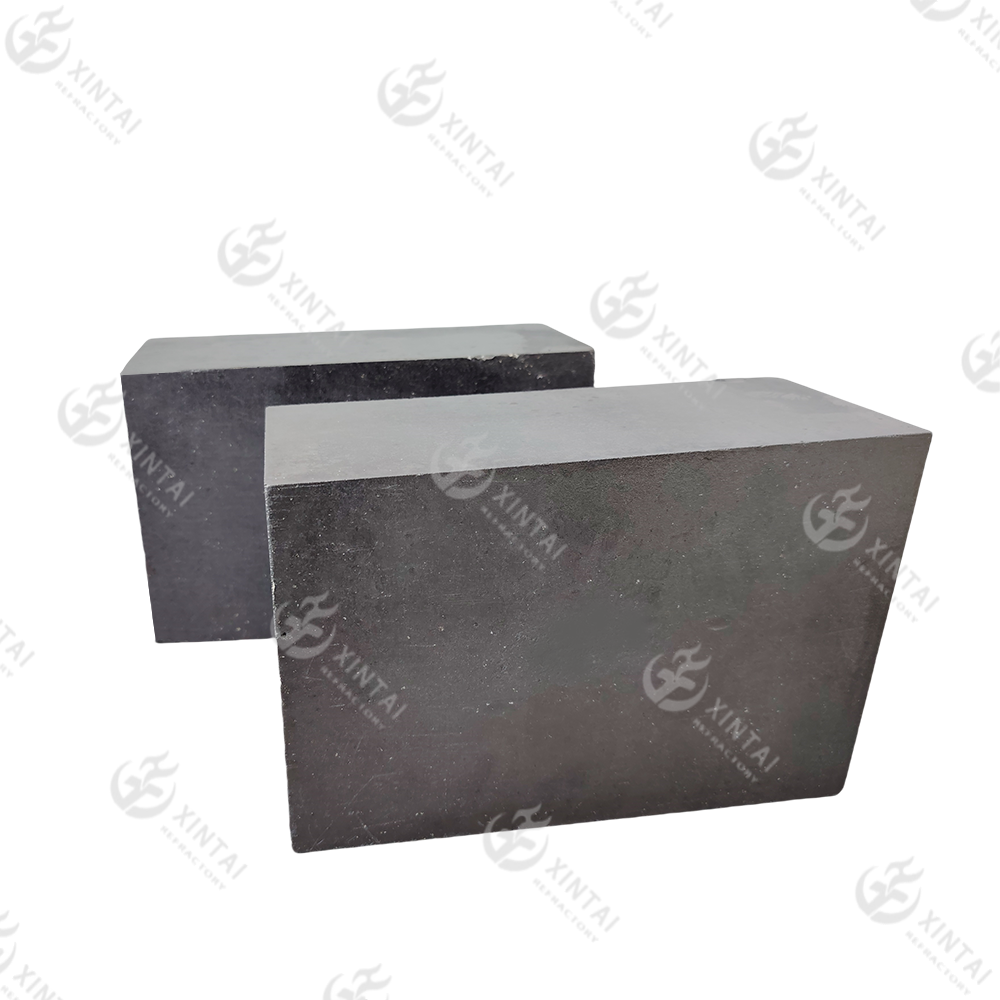
The inside story of how one Chinese manufacturer is revolutionizing cooling stave reliability for steel producers across 30+ countries
From Our Factory to Your Furnace: Why Henan Xintai's Silicon Carbide Bricks Are Transforming Blast Furnace Performance Worldwide
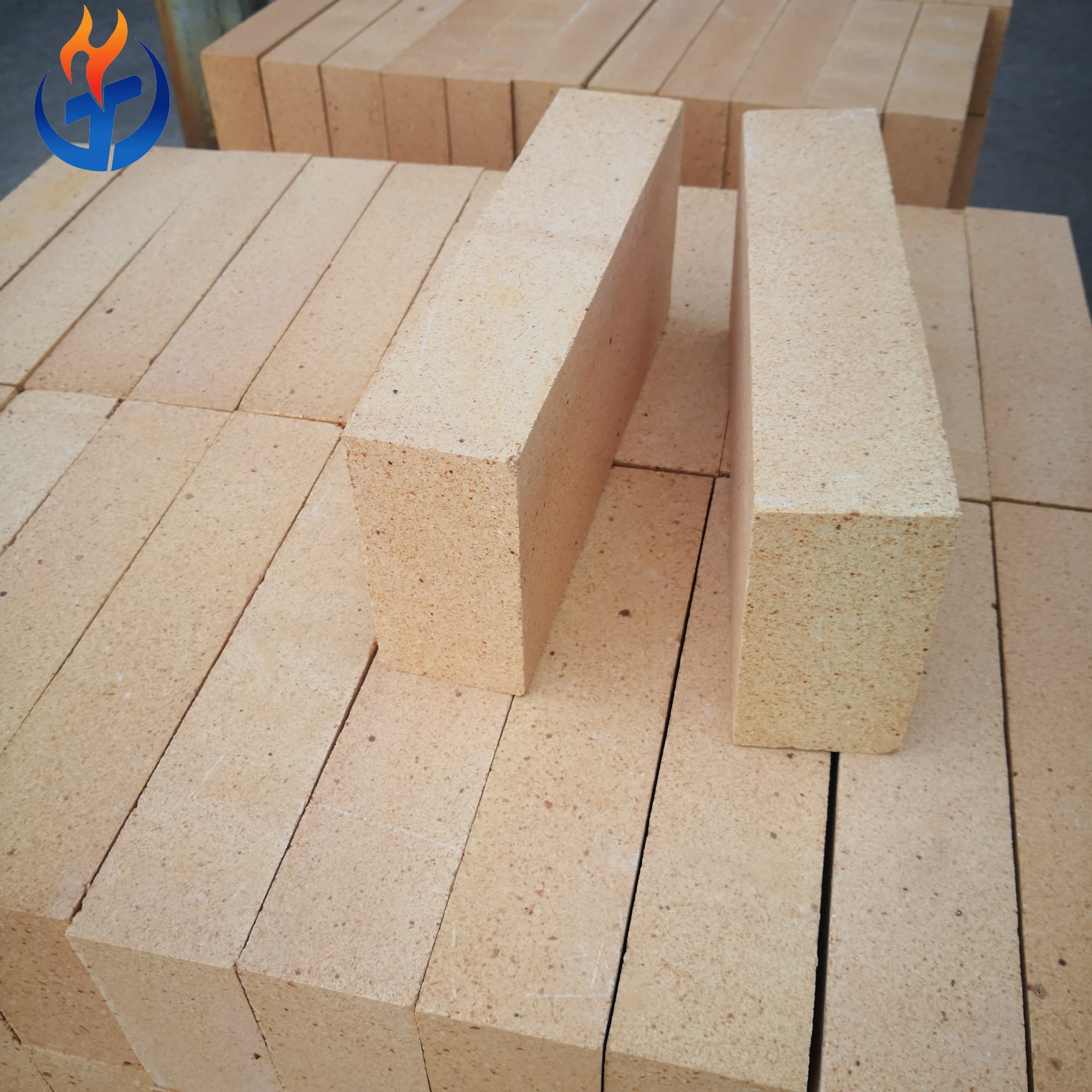
Refractory bricks are heat-proof ceramics that keep steel, glass, cement and petrochemical plants running above 1,000 °C. The global market is worth USD 24 B today and will reach 35 B by 2033, driven by Asian steel and cement plants.
The Ultimate Guide to Refractory Bricks: From Kilns to Cutting-Edge Furnaces