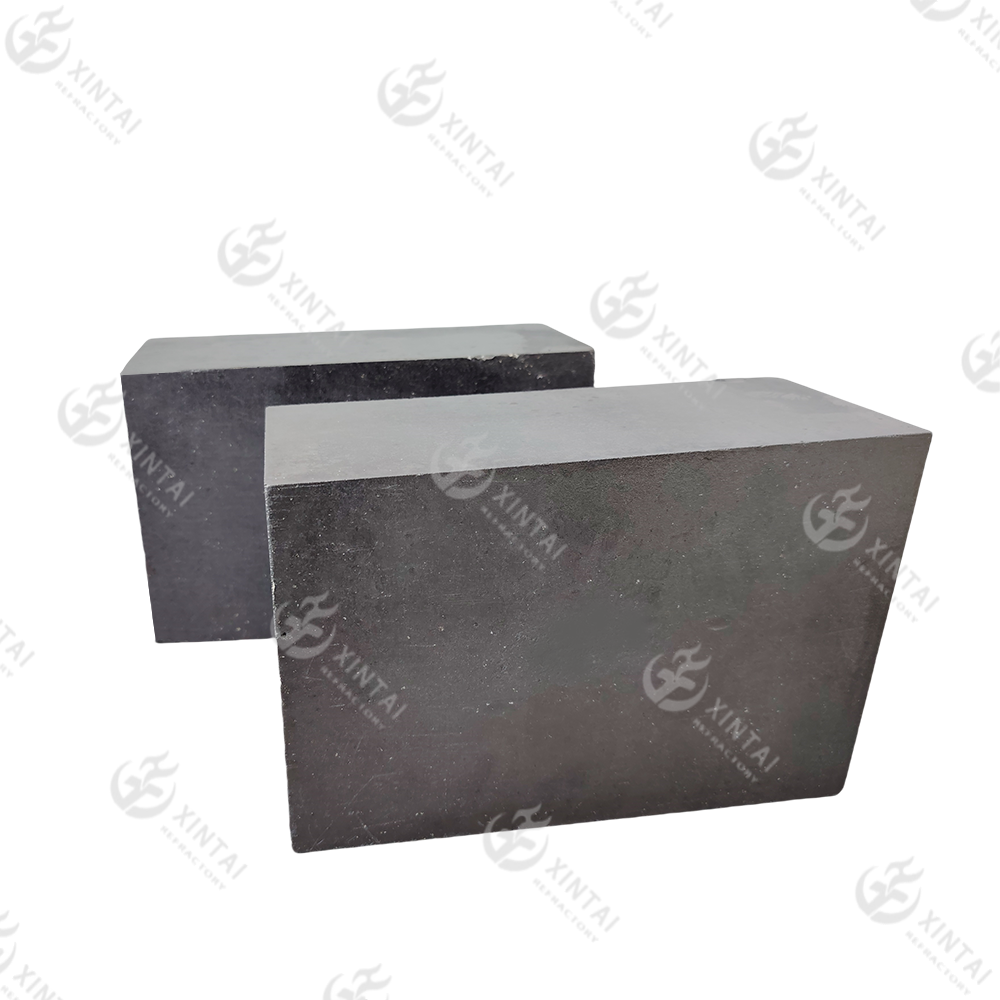
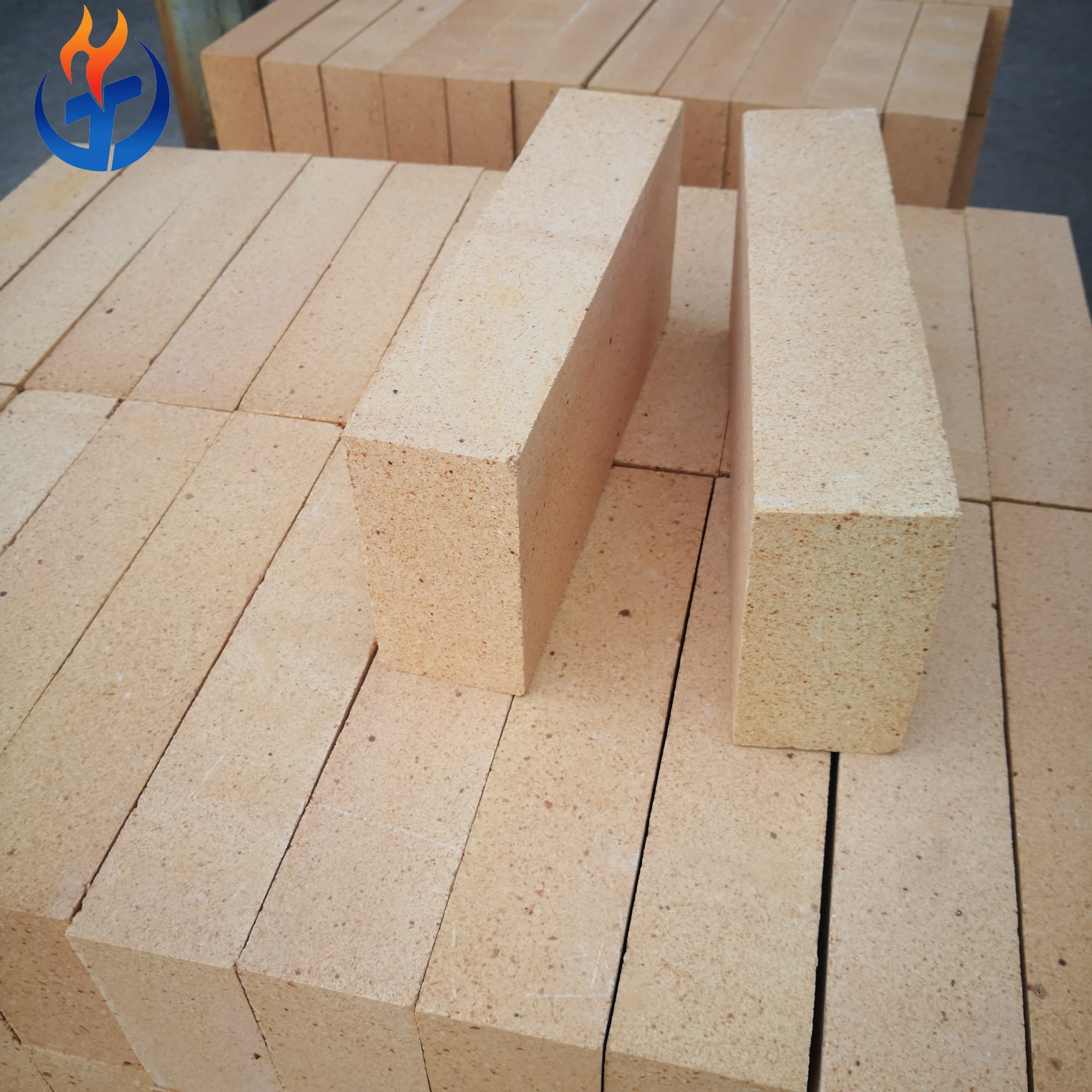
Magnesium spinel bricks or magnesium chrome bricks, which is best for RH furnaces?
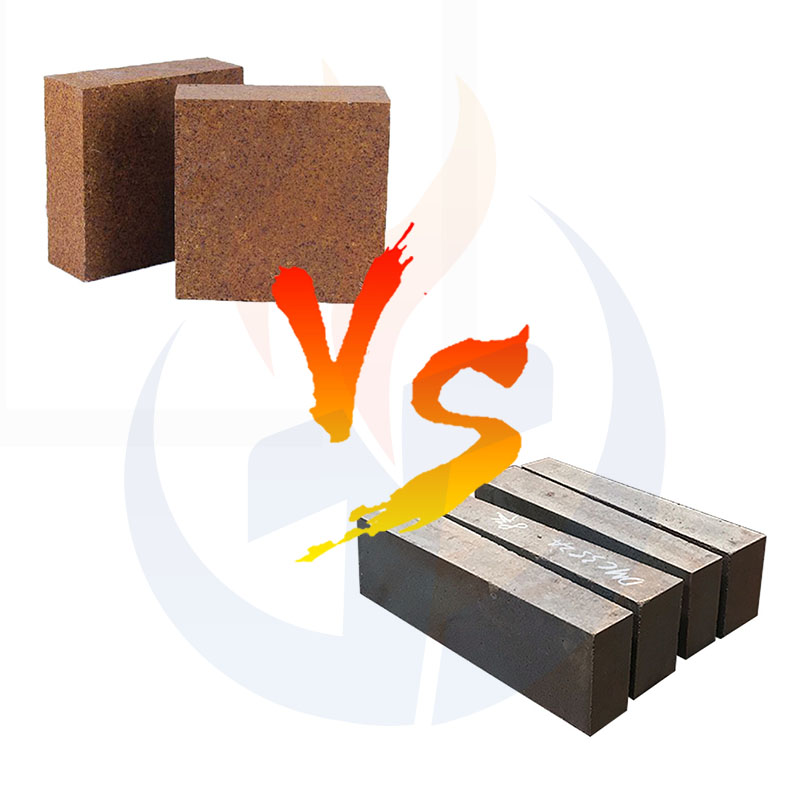
With the strengthening of environmental protection awareness and the growing importance of environmental pollution remediation work, in recent years, many RH furnace has begun to use chromium-free magnesium spinel bricks, and has achieved better performance. However, there are still many steel users of magnesium spinel brick is relatively unfamiliar, so it is necessary to RH furnace with magnesium-chromium brick and magnesium spinel brick performance comparison, in order to provide some reference for the steel plant in the RH furnace refractory material selection!
RH furnace has the functions of natural decarburization, composition fine-tuning, molten steel warming, forced decarburization by oxygen blowing and desulfurization by powder spraying, etc., which has become an indispensable off-hearth refining equipment for smelting electrical steel, pipeline steel, shipboard steel, galvanized steel, tinned steel, and other high-end steel grades.
RH furnace operation, the furnace is a negative pressure state, steel and argon fountain-like in the closed pipe from the rise of the insertion tube, the lower groove and down the insertion tube composed of high-speed circulation, while adding a large number of alloys or desulfurization agent to regulate the composition of the steel, the refractory material of the vacuum stability, high temperature performance, resistance to scrubbing performance and slag resistance performance have harsh requirements; RH furnace belongs to the intermittent operation of the type of metallurgical equipment, insertion tube RH furnace belongs to the gap operation type metallurgical equipment, insert tube and the lower groove in the whole furnace service frequently suffered from hot and cold alternating thermal shock, so the refractory material is required to have good thermal shock resistance.
Long-term experience shows that acidic, neutral and carbonaceous refractories can not be adapted to the working conditions of the RH furnace, and only high-temperature fired magnesium-chromium brick is a suitable furnace lining material. However, magnesium-chromium bricks containing Cr2O3 will react with alkali metal oxides to generate hexavalent chromium compounds (R2CrO4), in the presence of sulfur, chlorine, alkali conditions, but also the formation of R2 (Cr-S)O4 solid solution, both compounds are toxic water-soluble substances, whether discharged into the atmosphere, or stored in the use of the residual bricks after the demolition of the Cr6+ dissolved into the environment through the rain will cause serious harm to human beings, animals and plants. Humans, animals and plants will cause serious harm.
REACH A VERDICT
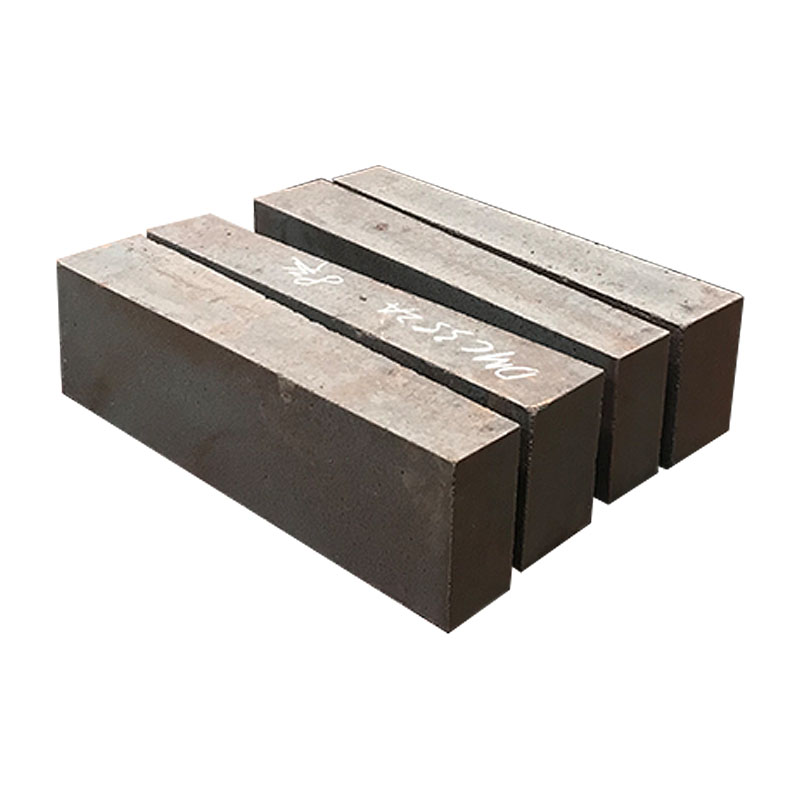
1.Magnesium-chromium brick belongs to the fired brick, its finished product porosity is larger, the room temperature strength after treatment at 1000 and 1600 ℃ and the high temperature flexural strength at 1450 ℃ are lower; after high temperature treatment of the residual linear expansion and the thermal state of the thermal state of the linear expansion at high temperatures are also lower.
2.Magnesia spinel bricks belong to the unfired bricks, its finished products have very low porosity, the room temperature strength after treatment at 1000 and 1600 ℃ and the high-temperature flexural strength at 1450 ℃ are higher; due to the existence of in-situ spinel reaction, its residual linear expansion after high-temperature treatment and at high temperatures under the higher rate of linear expansion, and thus need to be reserved in the process of masonry with a suitable expansion joints.
Magnesium spinel bricks are superior to magnesium chromium bricks in terms of thermal shock resistance due to the presence of composite metal-plastic bonding and ceramic bonding in the matrix.
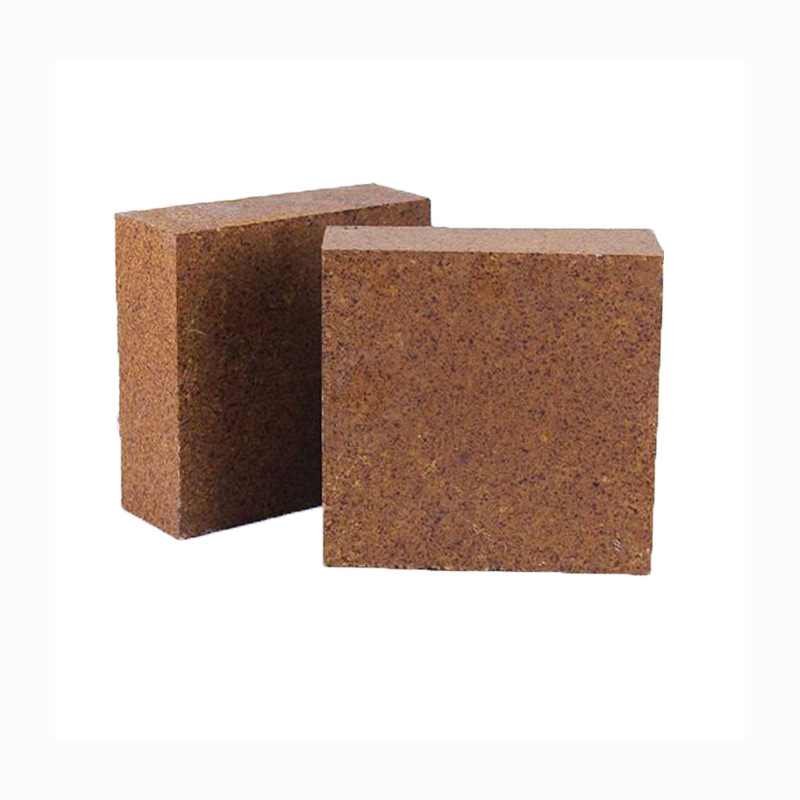
Magnesium-chromium bricks and magnesium spinel bricks have good slag erosion resistance, but magnesium-chromium bricks have poor slag penetration resistance due to large apparent porosity, magnesium spinel bricks have poor slag penetration resistance due to low porosity, and can form a high melting-point dense layer of magnesium sand aggregate and spinel grains at the slag-brick reaction interface with good slag penetration resistance.
Magnesia spinel bricks have the feasibility of replacing magnesia chromium bricks as the environmentally friendly refractory material for the lining of new-generation RH furnaces.
Types of heat treatment kiln commonly used for magnesium carbon bricks
Unveiling the Distinctions: Clay Bricks vs. Clay Insulation Bricks
Related Article
Behind this phenomenon lies an "invisible hand of erosion."