
Unveiling the Distinctions: Clay Bricks vs. Clay Insulation Bricks
author: Archie
2025-01-02
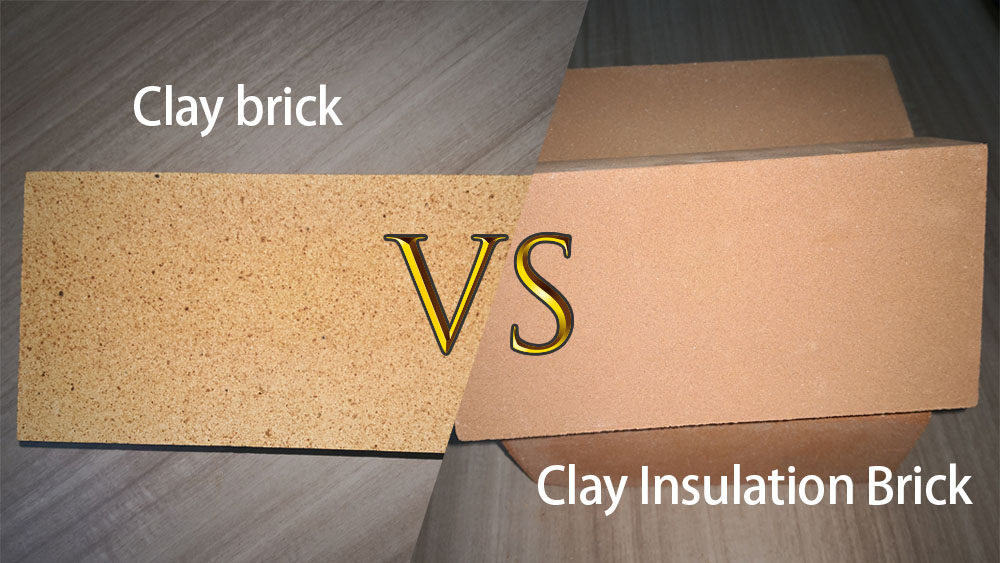
[Zhengzhou, 2024.12.30] - In the world of construction materials, two types of bricks made from clay have long played crucial roles: clay bricks and clay insulation bricks. While they may seem similar at first glance, a closer examination reveals significant differences that impact their applications, performance, and suitability for various building projects.
Physical Properties
One of the most obvious differences is in their density. Clay bricks are relatively dense, which contributes to their high compressive strength. They can withstand heavy loads and are suitable for use in load - bearing walls, foundations, and other structural applications. Their density also gives them a solid and substantial feel.
Magnesium spinel bricks or magnesium chrome bricks, which is best for RH furnaces?
Related Article
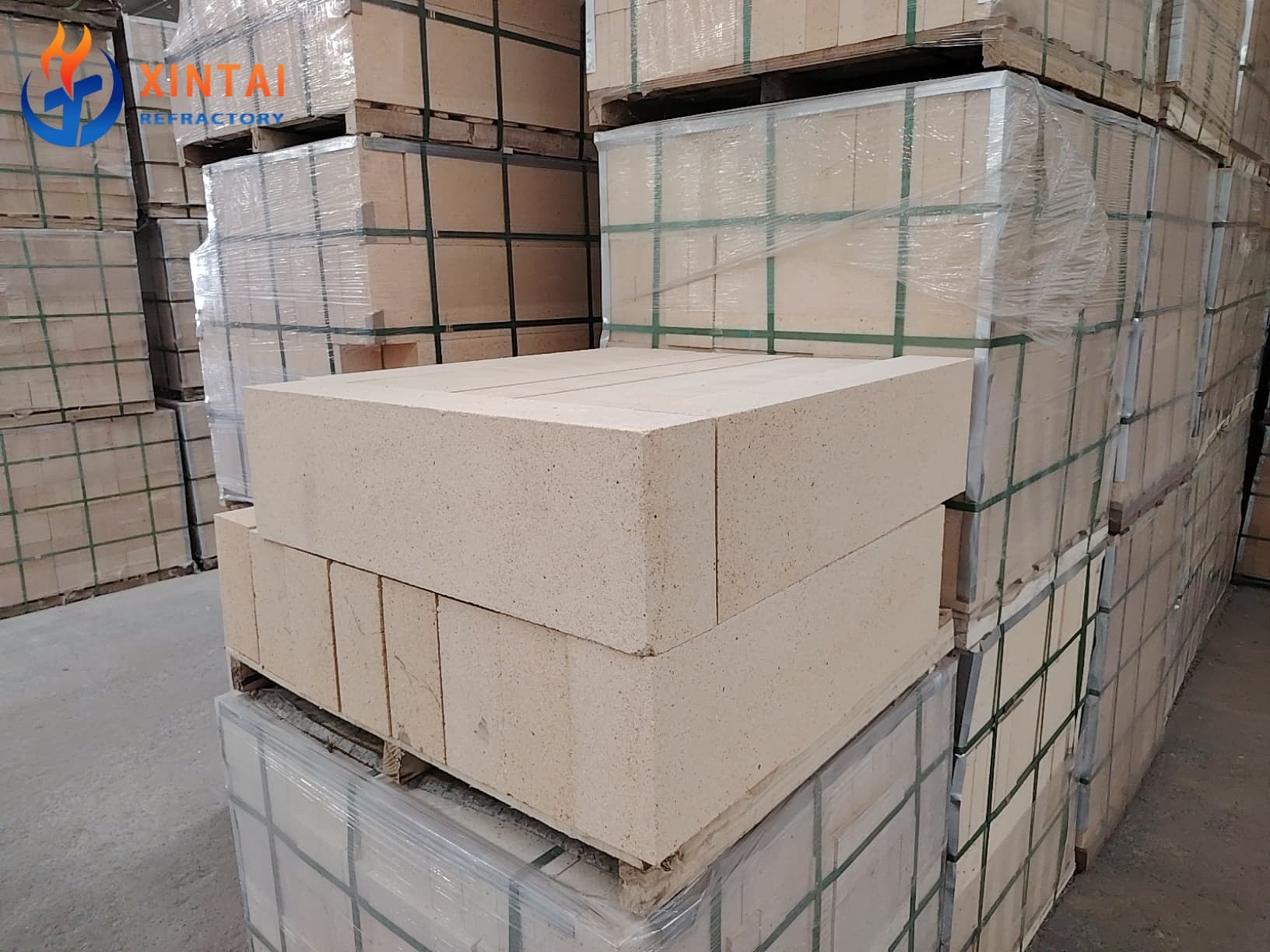
In high-temperature industries such as cement, metallurgy, and chemicals, the service life of refractory bricks in core equipment like rotary kilns and shaft furnaces directly determines production continuity, maintenance costs, and economic benefits.
Is Your Kiln Lining Falling Short of Its Expected Lifespan?
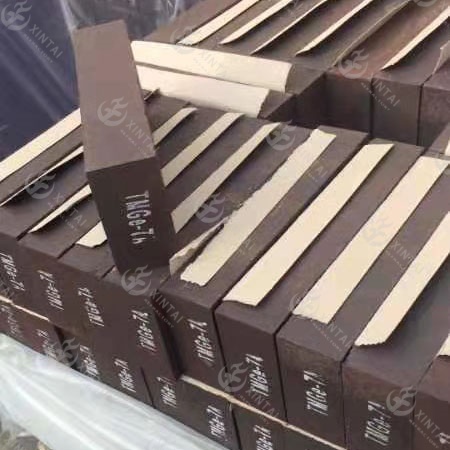
In the high-temperature battlefields of copper smelting, magnesia-chrome bricks serve as the guardians of furnace linings, enduring extreme environmental challenges. But why do the same refractory materials have varying service lives, with some suffering from "premature aging"?
Behind this phenomenon lies an "invisible hand of erosion."
Behind this phenomenon lies an "invisible hand of erosion."
The Mystery of "Premature Aging" in Magnesia-Chrome Bricks: The Invisible Hand of Erosion Accelerating Decay in Copper Smelting Furnaces!
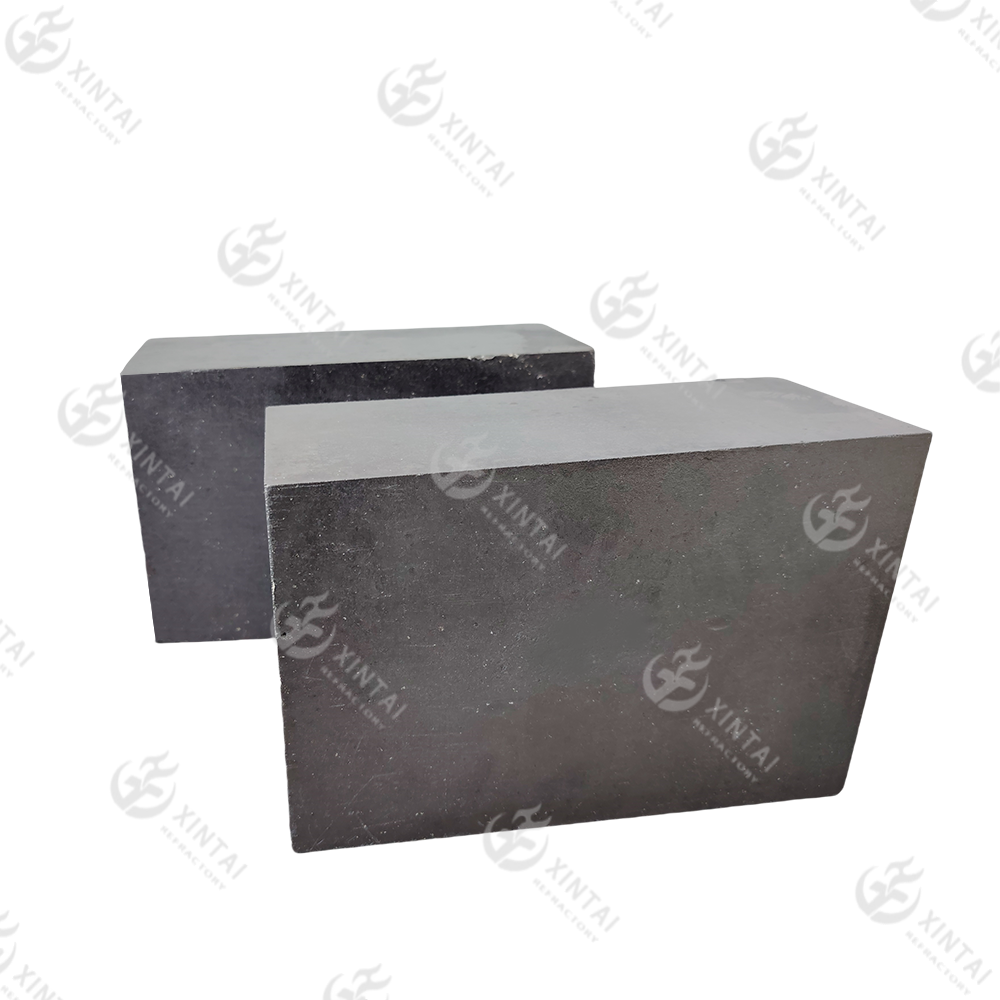
The inside story of how one Chinese manufacturer is revolutionizing cooling stave reliability for steel producers across 30+ countries
From Our Factory to Your Furnace: Why Henan Xintai's Silicon Carbide Bricks Are Transforming Blast Furnace Performance Worldwide
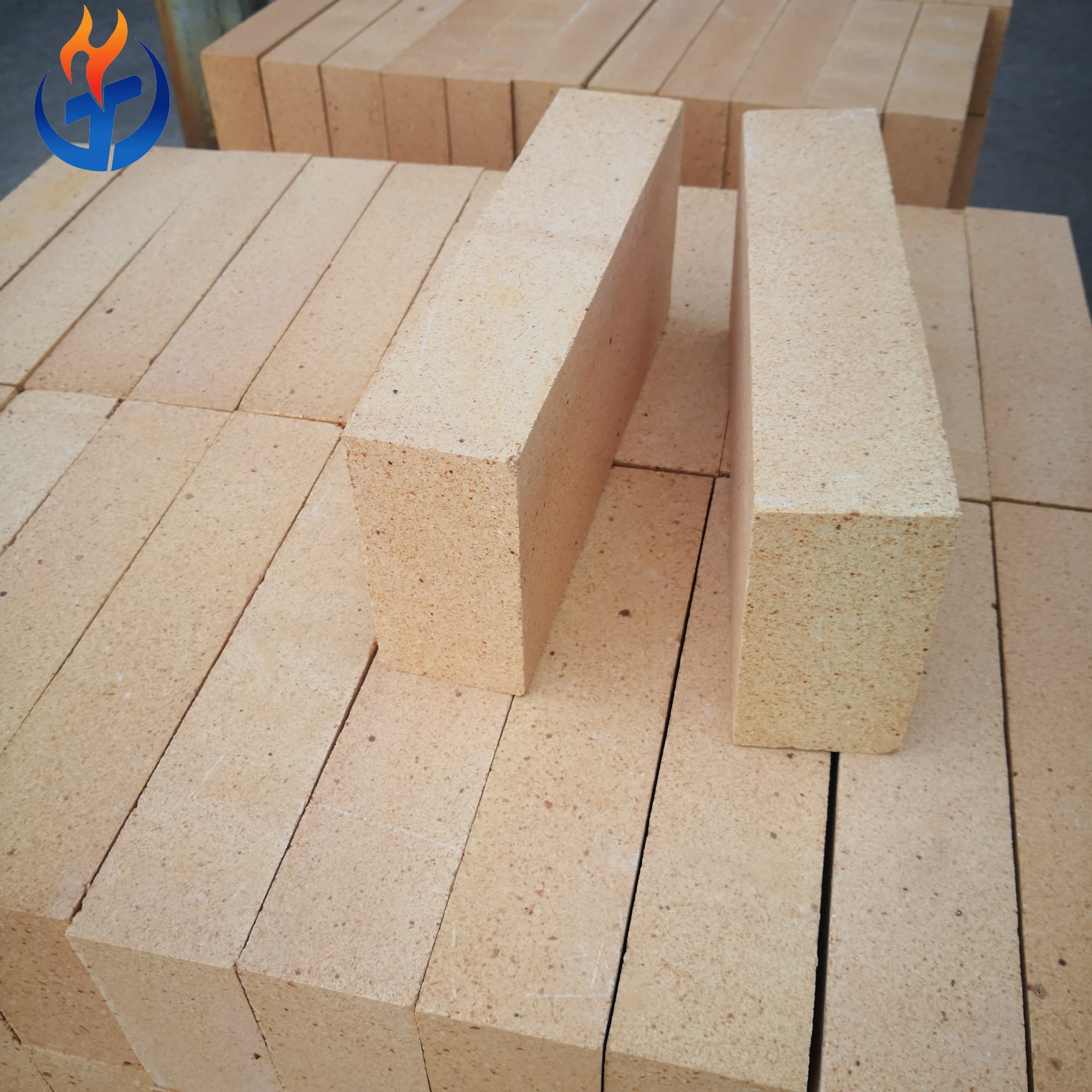
Refractory bricks are heat-proof ceramics that keep steel, glass, cement and petrochemical plants running above 1,000 °C. The global market is worth USD 24 B today and will reach 35 B by 2033, driven by Asian steel and cement plants.
The Ultimate Guide to Refractory Bricks: From Kilns to Cutting-Edge Furnaces